

Morocco offers travelers a rich tapestry of landscapes, cultures, and experiences spread across diverse regions—from the imperial cities of Fez and Marrakech to the sweeping dunes of the Sahara Desert. Navigating this North African gem efficiently requires understanding the country’s transportation network, available travel tools, and essential resources that make your journey smooth and memorable.
Whether you’re planning a self-drive adventure through the Atlas Mountains, navigating public transport between cities, or simply trying to find the best taxi app in Marrakech, having the right resources at your fingertips transforms a good trip into an exceptional one. This comprehensive guide covers everything from getting around Morocco to the digital tools, travel gear, and downloadable guides that will help you explore Morocco like a seasoned traveler.
From understanding Morocco’s autoroute system to choosing between CTM buses and Supratours trains, from downloading essential navigation apps to packing the right road trip accessories, this resource hub consolidates practical information that saves you time, money, and stress during your Moroccan adventure.
Getting Around Morocco: Transportation Options Overview
Morocco’s transportation infrastructure has improved dramatically over the past two decades, making travel between major destinations relatively straightforward. The country offers multiple ways to move from city to city and region to region, each with distinct advantages depending on your travel style, budget, and itinerary.
Private Car Rental
Renting a car provides maximum flexibility for exploring Morocco at your own pace. The country has well-maintained autoroutes (toll highways) connecting major cities like Marrakech, Casablanca, Rabat, and Fez. These paid highways rival European standards in quality. Beyond the autoroutes, national roads vary from excellent to challenging, particularly in mountainous regions or rural areas.
Driving in Morocco works well for travelers who want to visit remote destinations like Chefchaouen, explore the Dades Valley at leisure, or stop spontaneously at scenic viewpoints along mountain passes. However, urban driving—especially in cities like Casablanca or Tangier—can be stressful due to aggressive local driving styles and confusing roundabouts.
For detailed guidance on road conditions, traffic laws, and rental procedures, see our comprehensive Driving in Morocco Tips guide.
Intercity Buses
Morocco’s bus network is extensive and affordable, with two main companies dominating long-distance routes: CTM and Supratours. CTM operates modern, air-conditioned coaches connecting all major cities and many smaller towns. Buses typically include luggage storage, onboard toilets, and occasional rest stops.
Supratours, owned by the national railway company ONCF, provides crucial connections to destinations not served by train, including Essaouira, Agadir, and desert towns like Zagora and M’Hamid. Supratours buses coordinate with train schedules, allowing seamless multimodal journeys.
Budget regional bus companies serve smaller towns and rural areas at even lower prices, though comfort and reliability vary significantly. These buses typically depart when full rather than on strict schedules.
Train Network
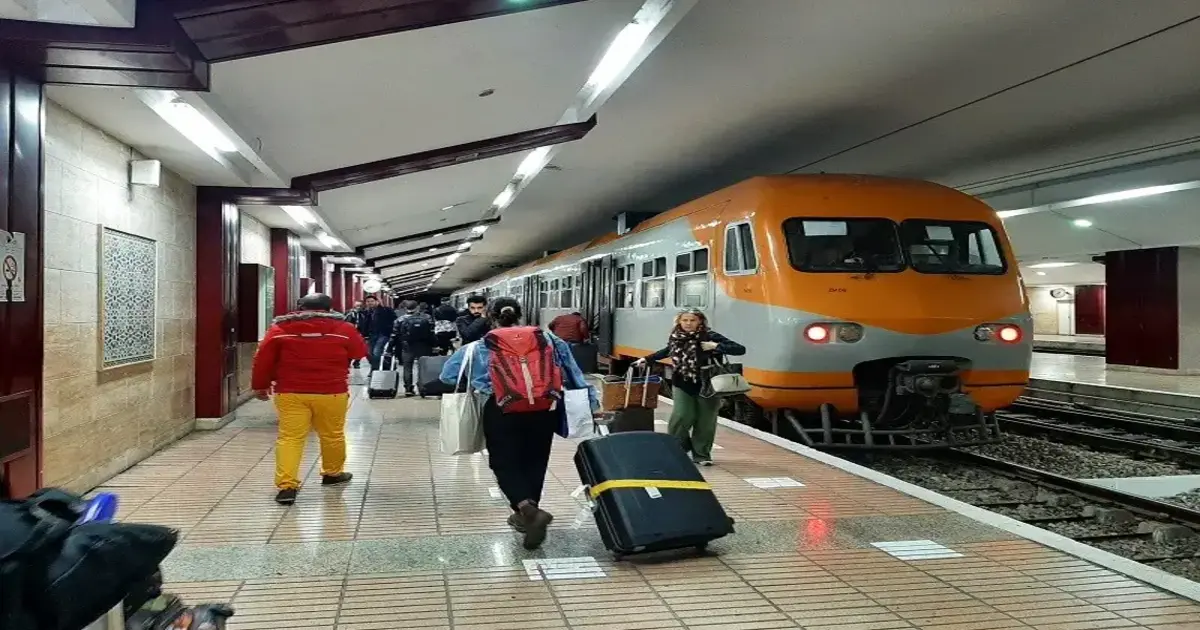
Modern ONCF train at Casablanca Voyageurs station with passengers boarding
Morocco’s rail network, operated by ONCF (Office National des Chemins de Fer), connects major cities along the Atlantic coast and inland to Fez and Meknes. The flagship Al Boraq high-speed train now links Casablanca and Tangier in just over two hours, cutting traditional journey times in half.
Standard trains offer first and second-class compartments, with first class providing comfortable seating, air conditioning, and more space. Trains generally run on time and provide a relaxing alternative to road travel. However, the network doesn’t reach many tourist destinations—Marrakech sits at the southern end of the line, with no rail service to Essaouira, Chefchaouen, or desert regions.
Book tickets online at oncf.ma or purchase at stations. Reservations aren’t required but recommended for peak travel times and first-class seats.
Petit Taxis and Grand Taxis
Petit taxis—small sedans painted in city-specific colors—operate within city limits using meters. They’re convenient for short urban trips and relatively inexpensive (typically 10-30 dirhams for most journeys). Always insist the driver uses the meter or agree on a fare before departing.
Grand taxis—typically older Mercedes sedans—serve longer routes between cities and towns. These shared taxis depart when full (usually six passengers: four in back, two in front), making them faster than buses but less comfortable. You can pay for multiple seats if you prefer more space or want to depart immediately.
Domestic Flights
Royal Air Maroc operates domestic flights between major cities, useful for travelers with limited time wanting to cover long distances quickly. Flights connect Marrakech, Casablanca, Fez, Tangier, Agadir, and Ouarzazate, among others. While more expensive than surface transport, flights make sense for long journeys like Marrakech to Tangier or when returning to departure cities.
For comprehensive information about navigating Morocco’s public transport system, including schedules, booking strategies, and insider tips, visit our Public Transport Guide.
Navigating Cities: Local Transport Options
Once you arrive in Moroccan cities, understanding local transportation helps you move efficiently between accommodations, attractions, and restaurants. Each major city offers similar options with local variations.
Within Medinas (Old Towns)
Most historic medinas are car-free zones with narrow, winding streets where traditional transportation still dominates. In Fez el-Bali, the world’s largest car-free urban area, donkeys and mules carry supplies through passages too narrow for vehicles. Walking remains the primary way to explore these labyrinths, though you’ll quickly learn that “getting lost” is part of the experience.
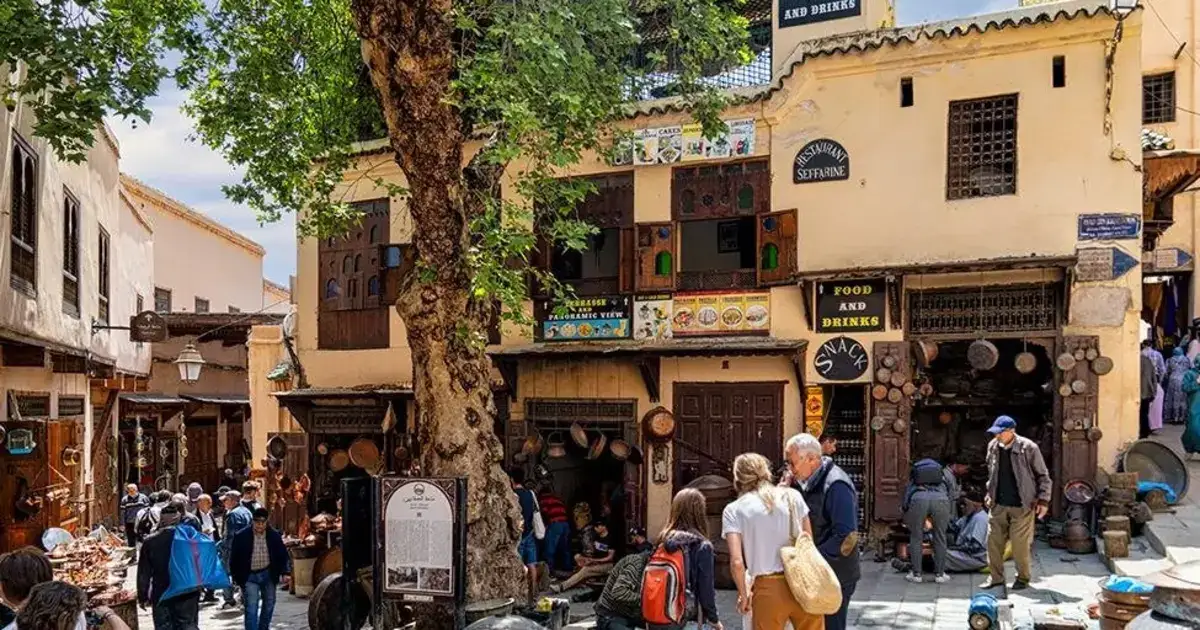
Narrow pedestrian street in Fez medina with local shops and traditional architecture
Some medinas have motorized carts or small trucks accessing certain areas during specific hours, typically early morning for deliveries. Many riads (traditional guesthouses) located deep in medinas offer porter services to help carry luggage from the nearest vehicle access point.
Urban Petit Taxis
Each Moroccan city assigns distinctive colors to its petit taxis: Marrakech uses beige, Fez is red, Casablanca is red, Rabat is blue, and Tangier is yellow. These small taxis accommodate up to three passengers and must use meters for journeys within city limits.
Taxi drivers often pick up additional passengers heading in the same direction—perfectly normal in Moroccan taxi culture. You pay only for your portion of the journey based on when you entered and exited. If you prefer privacy, you can refuse shared rides, though some drivers may request a slight premium.
Late-night and early-morning taxis sometimes charge 50% surcharges. During Ramadan, taxis become scarce just before iftar (sunset meal), so plan accordingly.
Travel Apps & Essential Digital Tools
Modern technology dramatically simplifies travel in Morocco, from navigating medina labyrinths to finding authentic restaurants and communicating across language barriers. Having the right apps downloaded before arrival—especially offline-capable tools—ensures you stay oriented and informed throughout your journey.
Navigation & Mapping Apps
Google Maps remains the most reliable navigation tool for Morocco, with generally accurate mapping of major cities, towns, and roads. Download offline maps for regions you’ll visit before arriving—Morocco’s coverage works well even in remote areas once cached. Google Maps also shows real-time traffic, public transport routes, and business information.
However, Google Maps struggles with medina navigation, where tight alleys and GPS signal interference create location confusion. Street names shown on the app often don’t match (or don’t exist) on physical signs. The app works best for navigating between neighborhoods and finding specific addresses in modern districts.
MAPS.ME excels where Google Maps struggles—particularly in medinas and rural areas. This free offline mapping app uses OpenStreetMap data, which includes detailed footpaths, stairs, and passages within old towns. Many travelers find MAPS.ME more accurate for walking navigation in Fez, Marrakech, and Chefchaouen medinas.
Download Morocco maps while connected to WiFi, then use the app entirely offline. MAPS.ME also allows users to bookmark locations, create routes, and share coordinates—useful for meeting points or remembering that hidden riad entrance.
Waze offers real-time traffic updates and speed trap warnings valuable for drivers navigating Moroccan autoroutes and cities. The app relies on user-generated data, so coverage varies—excellent around major cities, less reliable in rural areas. Waze helps avoid traffic jams in Casablanca and warns about police checkpoints where officers flag speeders.
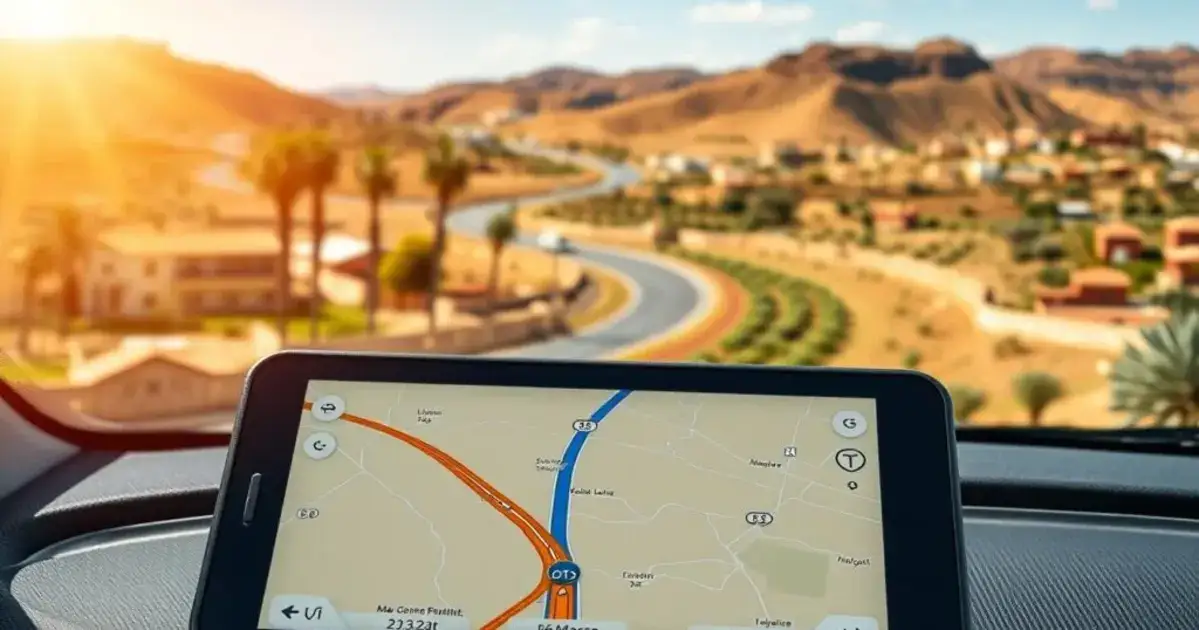
Smartphone displaying map navigation app showing Morocco medina streets
Transportation Apps
ONCF Traffic is the official Moroccan railway app for checking train schedules, purchasing tickets, and receiving platform information. The app works in English, displays real-time delays, and allows mobile ticket storage—eliminating paper tickets and station queues. Book first-class seats during busy periods through the app for guaranteed seating.
CTM Morocco offers similar functionality for bus travel, showing schedules, prices, and allowing online booking for CTM intercity routes. The app proves particularly useful during holidays when buses fill quickly. However, the interface sometimes experiences glitches, so verify critical bookings on the CTM website.
Uber and Careem function similarly to their implementation in other countries—request rides, track drivers, and pay through the app. Both apps show estimated fares before confirming rides, eliminating price negotiation stress. Keep cash available as backup since some drivers prefer cash despite the app’s payment integration.
Travel Gear & Accessories for Morocco Adventures
Packing appropriate gear transforms Moroccan travel from merely manageable to genuinely comfortable. The country’s diverse climates—from Mediterranean coasts to Saharan dunes to alpine mountains—demand versatile equipment. Whether you’re driving the Atlas Mountains or navigating medina markets, having the right accessories streamlines your experience.
Essential Driving & Navigation Gear
GPS Device or Phone Mount: While smartphone navigation works excellently, a reliable phone mount for your rental car dashboard proves essential. Moroccan roads require constant attention, making glancing at a mounted phone safer than checking your lap. Choose mounts with strong suction or clip mechanisms—Moroccan roads can be bumpy.
Car Charger with Multiple USB Ports: Keeping phones, cameras, and other devices charged during long drives prevents dead-battery emergencies when you need navigation most. Multi-port chargers allow passengers to charge simultaneously. Consider dual USB-C and USB-A ports for device compatibility.
Portable Power Bank: Even with car charging, a high-capacity power bank (20,000+ mAh) ensures your devices survive full-day medina explorations or overnight desert camps where electricity is limited. Choose models that charge multiple devices simultaneously.
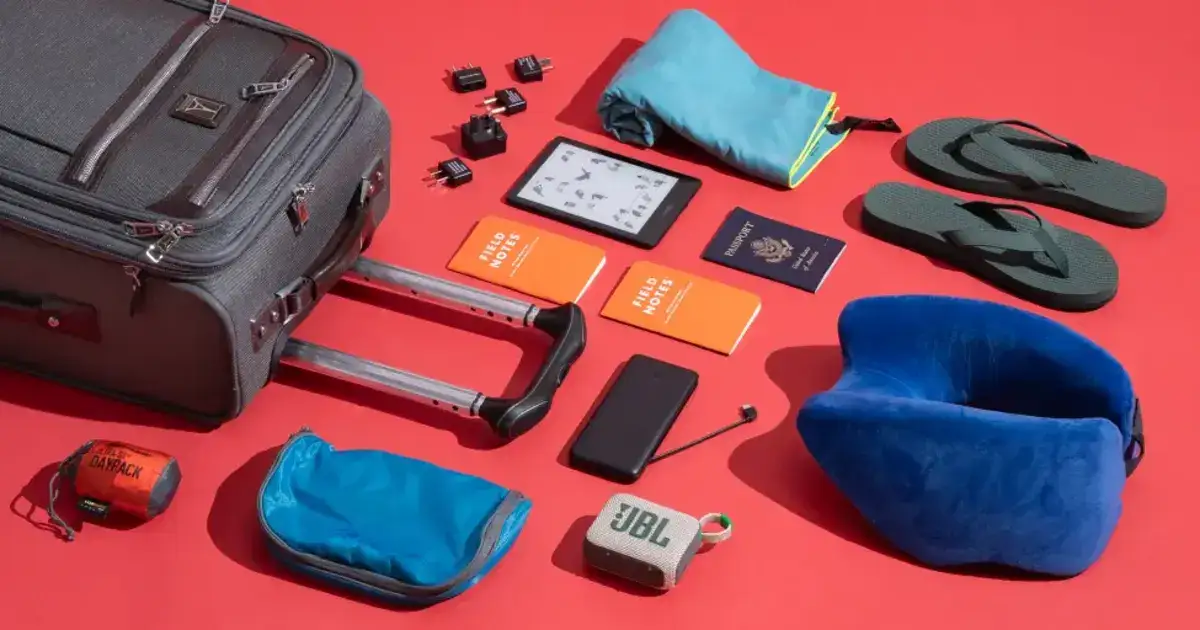
Collection of essential road trip accessories laid out including phone mount, power bank, and travel adapters
Travel Adapter: Morocco uses European-style two-pin plugs (Type C and E). Most electronics work with Morocco’s 220V electricity, but verify your devices’ voltage compatibility. Universal adapters work well but consider dedicated European adapters for multiple devices.
Comfort & Safety Items
Reusable Water Bottle with Filter: Staying hydrated in Morocco’s climate is crucial, but plastic bottle waste is staggering. A filtered water bottle allows you to refill from taps safely. Moroccan tap water is generally chlorinated and safe in cities, but filtration removes any unpleasant taste and provides peace of mind in rural areas.
Sunglasses and Hat: Morocco’s intense sun—particularly in desert regions and at altitude—makes quality UV-blocking sunglasses essential. A wide-brimmed hat protects your face and neck during extended outdoor exploration. These aren’t optional accessories; they’re health necessities.
Travel First Aid Kit: Pack basic medications for common travel ailments: imodium for digestive issues, pain relievers, antihistamines, bandages, and any prescription medications. Pharmacies are common in Moroccan cities, but having supplies prevents minor issues from disrupting travel plans.
Wet Wipes and Hand Sanitizer: Public restrooms in Morocco vary from modern to extremely basic. Wet wipes prove invaluable for freshening up, and hand sanitizer provides hygiene assurance when soap and water aren’t available. This matters more than you’d think.
Morocco Travel Guides & Downloadable eBooks
While this website provides extensive free resources, sometimes you need comprehensive information consolidated in portable formats. Our collection of Morocco travel guides and eBooks offers detailed regional coverage, specialized itineraries, and practical advice you can access offline throughout your journey.
Free Downloadable Resources
Regional City Guides: Our free PDF guides cover major Moroccan destinations with printable maps, attraction listings, restaurant recommendations, and accommodation suggestions. Each guide includes:
- Detailed neighborhood maps showing medina layouts
- Walking tours with GPS coordinates
- Public transport route diagrams
- Emergency contact information
- Arabic phrases for common situations
Available guides include Marrakech, Fez, Chefchaouen, Essaouira, Rabat, Tangier, and Casablanca. Download before traveling for offline reference.
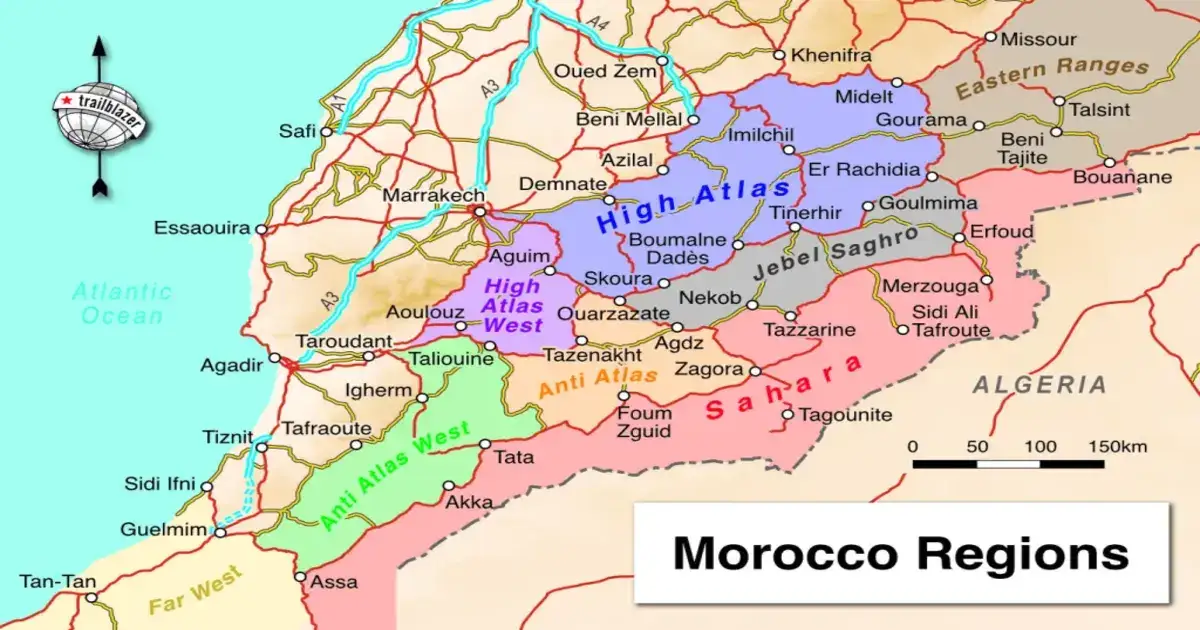
Digital Morocco travel guide open on tablet showing destination maps and itineraries
Driving Route Maps: Detailed route maps for popular self-drive itineraries show distances, driving times, fuel station locations, and accommodation options along major routes. Maps include:
- Marrakech to Sahara Desert loop
- Imperial Cities circuit
- Atlantic Coast journey
- Atlas Mountains exploration
Cultural Etiquette Guide: A quick-reference PDF covering Moroccan customs, appropriate dress codes, photography permissions, tipping practices, and respectful behavior in religious and rural contexts. Essential reading for cultural sensitivity.
Premium Travel eBooks
Complete Morocco Transportation Guide: This comprehensive eBook (120+ pages) covers every transportation aspect in Morocco:
- Detailed car rental procedures and insurance options
- Complete train network with booking strategies
- Bus company comparisons and route planning
- Urban transport guides for 12 major cities
- Driving laws, road conditions, and safety protocols
- Cost breakdowns and budgeting worksheets
Bonus Tips: Safety, Etiquette & Practical Advice
Beyond logistics and gear, understanding Moroccan road safety, cultural expectations, and practical travel wisdom ensures smoother experiences throughout your journey. These bonus tips address common concerns and provide insider knowledge that guidebooks often overlook.
Road Safety & Driving Laws
Speed Limits & Enforcement: Moroccan autoroutes typically have 120 km/h limits, national roads 100 km/h, and urban areas 40-60 km/h. Police frequently position checkpoints along highways where officers physically step into traffic lanes to flag speeders. Fines are paid immediately in cash (typically 400 dirhams for speeding). Keep small bills accessible.
Speed cameras are increasingly common, though less numerous than manual enforcement. Waze helps identify known camera locations, but the app misses many temporary checkpoints.
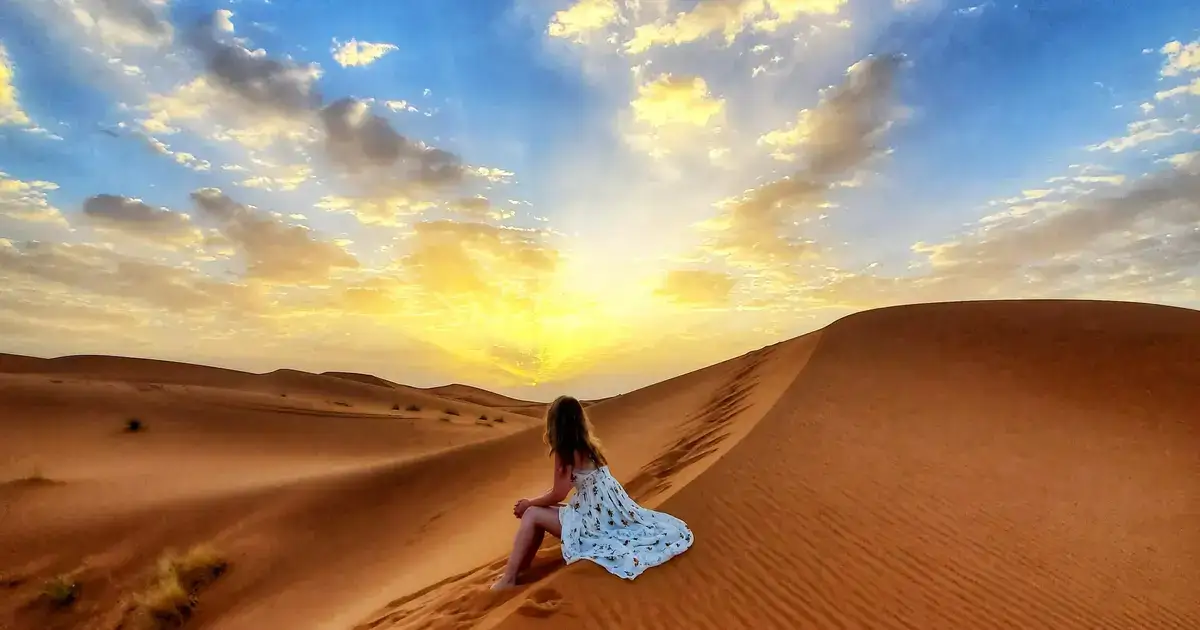
Well-maintained Moroccan autoroute showing typical road conditions and signage
Required Documentation: Always carry original driver’s license, passport, rental agreement, and insurance documents while driving. Police checkpoints regularly request these documents. An International Driving Permit is technically required by law, though enforcement varies—get one anyway to avoid potential complications.
Alcohol Regulations: Morocco enforces a 0.02% blood alcohol limit—essentially zero tolerance. Even a single drink puts you over the limit. Police conduct random breath tests, particularly evening and night. Penalties are severe: heavy fines, possible license confiscation, and even vehicle impoundment. Never drink and drive in Morocco.
Seatbelt Laws: All occupants must wear seatbelts, with drivers legally responsible for passenger compliance. Police increasingly enforce this, particularly on autoroutes. Child car seats are required for young children, though rental companies don’t always provide them—request in advance.
Plan Your Morocco Journey with Confidence
Armed with comprehensive transportation knowledge, essential digital tools, proper gear, and practical travel wisdom, you’re ready to experience Morocco with confidence rather than confusion. The difference between a frustrating trip and a transformative adventure often comes down to preparation and having the right resources at the right moments.
Whether you choose the freedom of self-driving through the Atlas Mountains, the convenience of Morocco’s improving rail network, the affordability of intercity buses, or a combination of transport modes, understanding your options allows you to craft an itinerary matching your interests, budget, and travel style.
Morocco rewards travelers who invest time in pre-trip planning while maintaining flexibility for spontaneous discoveries. The narrow medina alley you “accidentally” wander down often becomes a favorite memory. The roadside café where you stop for mint tea might offer the trip’s best tajine. The family who invites you for couscous after helping with directions could provide cultural insights no guidebook captures.
Transportation is merely the vehicle for experiences—pun intended. These resources exist to minimize logistical stress, maximize time for authentic experiences, and ensure safe, efficient movement throughout this captivating country. Morocco’s magic emerges not just in iconic destinations but in the journeys between them: conversations with taxi drivers, encounters at rest stop cafes, and landscapes unfolding through car windows along mountain highways.
The souks of Marrakech, the blue streets of Chefchaouen, the Roman ruins of Volubilis, the golden dunes of Erg Chebbi—they’re all accessible when you understand how to navigate Morocco’s transportation networks. Start planning, download your resources, and prepare for an unforgettable North African adventure.
Ready to explore Morocco? Bookmark this resource hub, download our free guides, and check back regularly for updates as Morocco’s transportation infrastructure continues evolving. Safe travels, or as Moroccans say: Tbarkellah 3lik (may God bless you on your journey).