

![Car Rental Insurance Morocco: Everything You Need to Know Before Hitting the Road Planning a road trip through Morocco but feeling completely lost when it comes to car rental insurance? I've been there! The first time I rented a car in Marrakech, I spent nearly an hour at the rental desk trying to figure out what insurance I actually needed. And let me tell you, it was confusing. Here's the thing: car rental insurance in Morocco can feel like a minefield. Rental companies throw around terms like CDW, LDW, and full coverage, and before you know it, you're signing papers for insurance that costs more than the actual car rental. Not exactly ideal when you're trying to stick to a budget. But after multiple road trips through Morocco and countless hours researching rental car protection, I've learned exactly what you need and what you can skip. And that's what this guide is all about. I'll walk you through everything from mandatory insurance requirements to credit card coverage, so you can make informed decisions and avoid those sneaky rental desk upsells. Whether you're planning to drive through the Atlas Mountains or cruise along the coast to Essaouira, understanding car rental insurance Morocco is absolutely crucial. So let's break it all down! 🚗 Understanding Car Rental Insurance in Morocco Before we get into the nitty-gritty details, let's start with the basics. Morocco has specific insurance requirements that differ from what you might be used to back home. And trust me, knowing these differences will save you both money and headaches. Is Car Rental Insurance Mandatory in Morocco? Yes and no. Here's what you absolutely must have: Third-Party Liability Insurance is legally required in Morocco. This covers damage or injury you might cause to other people or their property. The good news? This basic coverage is usually included in your rental price. But here's where it gets tricky. That basic third-party insurance won't cover damage to your rental car itself. And Morocco's roads can be challenging, especially if you're planning to explore beyond the main highways. Narrow medina streets, mountain passes, and the occasional wandering goat all increase your risk of minor accidents. What Does Basic Car Hire Insurance in Morocco Actually Cover? When you rent a car in Morocco, your basic package typically includes: Third-Party Liability (TPL) - Damage or injuries caused to others Fire and Theft Protection - Usually included but check your contract Basic Roadside Assistance - Varies by company What it doesn't cover? Damage to the rental car, stolen belongings from inside the vehicle, and often tires or windscreen damage. That's where additional insurance options come in. [caption id="attachment_insurance_contract" align="alignright" width="300"]Understanding your rental agreement is crucial before signing[/caption] How Car Rental Insurance Works in Morocco The rental insurance process in Morocco works through an excess or deductible system. If something happens to the car, you're responsible for paying up to a certain amount (the excess), and insurance covers the rest. This excess can range anywhere from 3,000 to 15,000 MAD depending on the vehicle and rental company. Most rental companies will block this excess amount on your credit card as a deposit. It's not charged unless there's damage, but it does tie up your available credit. I learned this the hard way when my card was declined at a restaurant because I forgot about the 8,000 MAD hold on my account! The system itself isn't complicated once you understand it. Think of the excess as your "skin in the game" - the maximum you'll pay if something goes wrong. The lower your excess, the higher your daily insurance premium. It's a trade-off between upfront costs and potential financial exposure. Now that you understand the basics, let's look at the different insurance options available and what each one actually covers. [showhide show_caption="Read More: Types of Insurance Coverage →" hide_caption="Show Less ↑"] 📋 Types of Car Rental Insurance Available in Morocco Alright, let's talk about your insurance options. This is where rental companies make their money, so understanding each type helps you avoid paying for coverage you don't need. Collision Damage Waiver (CDW) - The Most Common Option CDW is probably the first thing the rental agent will offer you. It reduces or eliminates your financial responsibility if the rental car is damaged in an accident. Sounds great, right? But there's a catch. Standard CDW in Morocco usually still leaves you with an excess (deductible) of 3,000-8,000 MAD. So if you scratch the car on a tight street in Fez, you'll still pay that amount. The CDW just means you won't pay more than the excess. CDW typically costs 80-150 MAD per day, which adds up quickly on longer trips. For a 10-day rental, that's an extra 800-1,500 MAD on top of your base rate. Super CDW or Full Coverage - Zero Excess Protection This is the premium option that reduces your excess to zero. If anything happens to the car, you pay nothing (assuming you follow the rental agreement terms). It's the most expensive option, usually 150-250 MAD per day, but it gives complete peace of mind. Is full coverage car rental Morocco worth it? That depends on your comfort level with risk and your driving experience. If you're nervous about navigating Moroccan roads or planning to drive through challenging terrain like the Dades Valley, it might be worth the investment. Theft Protection and Personal Accident Insurance Most reputable rental companies include basic theft protection, but personal accident insurance (PAI) is usually optional. PAI covers medical expenses for you and your passengers in case of an accident. Here's my take: if you have good travel insurance that includes accident coverage, you can probably skip PAI. But check your travel insurance policy carefully because some exclude rental car accidents. Windscreen, Tire, and Undercarriage Coverage Standard CDW often excludes damage to windscreens, tires, and the car's undercarriage. On Moroccan roads, especially if you're heading to places like the Sahara or mountain passes, these exclusions matter. Flying rocks can crack windscreens. Potholes can damage tires. Rough roads can scrape the undercarriage. I've seen travelers charged 2,000+ MAD for a cracked windscreen they didn't even notice until returning the car. Some rental companies offer specific coverage for these items for an additional 30-50 MAD per day. [/showhide] 💳 Using Credit Card Insurance for Morocco Car Rentals Here's something many travelers don't realize: your credit card might already provide rental car insurance coverage. This could save you hundreds of dirhams on your Morocco trip! Does My Credit Card Cover Morocco Car Rental Insurance? Many premium credit cards offer rental car insurance as a perk, but coverage for Morocco specifically varies. Before your trip, call your credit card company and ask these specific questions: Does coverage apply to rentals in Morocco? Is it primary or secondary coverage? What's the maximum coverage amount in MAD? Does it cover the excess/deductible? Are there vehicle restrictions (SUVs, 4x4s, etc.)? What documentation do I need to file a claim? Primary coverage means your credit card pays first if there's damage. Secondary coverage only kicks in after your personal car insurance, which often doesn't cover international rentals anyway. [caption id="attachment_credit_card" align="alignleft" width="300"]Many premium credit cards offer valuable rental car protection[/caption] Understanding your credit card benefits can make a huge difference. I've saved over $500 on insurance costs during my Morocco trips by using my credit card coverage instead of purchasing rental company insurance. But you need to know exactly what's covered and what isn't. The key is doing your homework before you travel. Don't assume your card covers rentals in Morocco - call and confirm. Get the representative's name and reference number. Some travelers even ask for written confirmation via email. [showhide show_caption="Read More: Credit Card Coverage Details & Deposits →" hide_caption="Show Less ↑"] Important Limitations of Credit Card Insurance Even if your card offers coverage, there are usually restrictions. Most credit card insurance doesn't cover: Loss of use fees (what the rental company loses while repairing the car) Administrative fees charged by rental companies Personal belongings stolen from the car Injuries to you or passengers Off-road driving or violation of rental terms Also, you typically must decline the rental company's CDW to activate credit card coverage. Some Moroccan rental companies resist this because they make good money on insurance upsells. Stand your ground if you're confident in your credit card coverage. Best Credit Cards for Morocco Car Rental Insurance Based on my research and experience, these cards typically offer solid rental car coverage that applies in Morocco: Chase Sapphire Preferred/Reserve - Primary coverage in most countries including Morocco American Express Platinum - Premium car rental protection Capital One Venture - Primary coverage with no foreign transaction fees But again, always verify directly with your card issuer before relying on this coverage. 💰 Car Rental Deposit and Insurance: What to Expect Let's talk about something that catches many travelers off guard: the security deposit. When you pick up your rental car in Morocco, the company will place a hold on your credit card. This isn't a charge (unless there's damage), but it does freeze those funds. Typical Deposit Amounts Based on Coverage The deposit amount depends on which insurance you choose: Basic insurance (just TPL) - 8,000-15,000 MAD hold With CDW - 3,000-8,000 MAD hold With Super CDW/Full Coverage - 0-500 MAD hold The hold typically releases 7-14 days after returning the car. Some travelers report it taking up to 30 days with certain companies. This is why I always recommend having a credit card with enough available credit beyond what you'll need for daily expenses. Debit Card vs Credit Card for Deposits Most rental companies in Morocco require a credit card for the deposit. Debit cards are often not accepted because the authorization process works differently. A few budget companies might accept debit cards but with restrictions and higher deposits. If you only have a debit card, contact the rental company in advance to confirm their policy. You might be required to purchase their maximum insurance coverage to reduce the risk. [/showhide] 🛡️ Morocco Rental Car Protection Tips: Avoiding Scams and Issues Okay, real talk. The car rental industry in Morocco has its share of questionable practices. I'm not saying all companies are bad - far from it - but you need to be aware and protect yourself. Common Car Rental Insurance Scams in Morocco Watch out for these tactics: The Pre-Damage Scam: The agent rushes through the vehicle inspection, then claims you caused existing damage when you return. This is why documenting the car's condition is crucial. The Pressure Sell: "Our roads are very dangerous... You really need Super CDW... What if something happens?" Don't let fear tactics pressure you into coverage you don't need. The Hidden Excess: They quote a great price but don't mention the 12,000 MAD excess until you're at the counter. Always ask about the excess amount when booking. The Return Inspection Scam: The agent claims to find tiny scratches and charges your card before you can dispute it. Always be present during the return inspection and don't hand over keys until you agree with their assessment. [caption id="attachment_car_inspection" align="alignright" width="300"]Document every scratch and dent before leaving the rental lot[/caption] How to Protect Yourself Follow these steps every single time you rent in Morocco: Document everything: Take photos and videos of the entire car before leaving the lot. Get all angles, focus on any existing damage, check the interior, and photograph the fuel level. Read before signing: Never sign a rental agreement without reading it completely. If it's not in English, ask for a translation or use a translation app. Understand the excess: Know exactly how much you could be liable for and ensure it matches what was advertised. Get everything in writing: Verbal agreements mean nothing. Insurance coverage, fuel policy, mileage limits - all should be clearly stated in your contract. Be present at return: Do the return inspection together with the agent and don't leave until both parties agree on the car's condition. I can't stress enough how important that first step is. Spend 10 minutes thoroughly documenting the car. It might seem excessive, but those photos could save you thousands of dirhams if there's a dispute later. [showhide show_caption="Read More: Choosing Insurance & Final Tips →" hide_caption="Show Less ↑"] Choosing the Best Rental Car Insurance for Morocco So what's the best approach? Based on my experience and conversations with dozens of travelers, here's my recommendation matrix: Choose Basic CDW if: You're an experienced driver comfortable with Moroccan road conditions You're staying mainly in major cities with good roads You have solid credit card insurance coverage You're comfortable with a moderate financial risk Choose Super CDW/Full Coverage if: This is your first time driving in Morocco You're planning off-the-beaten-path adventures You want zero stress about potential damage The daily cost difference is manageable for your budget Go with Third-Party Insurance if: You're renting for 7+ days (when the savings become significant) You've researched and found a reputable provider You understand the claims process 📝 What Documents Do You Need? Don't show up at the rental desk unprepared. You'll need: Valid driver's license (held for at least 1 year) International Driving Permit (IDP) - technically required, though enforcement varies Passport Credit card in the main driver's name Rental confirmation/voucher Proof of insurance if using credit card coverage Some rental companies also require proof of address or a return flight ticket. When in doubt, bring extra documentation. 🚦 Insurance and Morocco's Traffic Laws Your insurance only protects you if you follow the rules. Here are some key points about driving in Morocco that affect your coverage: Most insurance policies become void if you: Drive off-road or on unpaved roads (unless you have specific 4x4 coverage) Drive under the influence of alcohol Let an unauthorized driver operate the vehicle Use the car for commercial purposes Leave Morocco without permission Additionally, make sure you understand where you're allowed to drive. Some rental agreements restrict travel to certain regions. If you're planning an epic Morocco road trip through remote areas, confirm this is permitted. [/showhide] 🎯 Final Thoughts: Making the Right Insurance Decision Look, there's no one-size-fits-all answer to the question of what car rental insurance you need in Morocco. It depends on your risk tolerance, driving experience, budget, and travel plans. What I can tell you is this: don't let rental agents pressure you into coverage you don't need, but also don't skimp on insurance just to save a few dirhams if it means you'll spend your entire trip stressed about potential damage. For most travelers, I recommend at least basic CDW coverage. It's a reasonable middle ground that provides protection without breaking the bank. If you're planning extensive driving through challenging terrain or this is your first international rental experience, the peace of mind of full coverage is probably worth the extra cost. And whatever you decide, remember to document everything, read your contract carefully, and stand your ground against high-pressure sales tactics at the rental desk. Morocco is an incredible country to explore by car. From the bustling souks of Marrakech to the stunning Sahara Desert, having your own wheels opens up endless possibilities. Don't let insurance confusion or fear of scams stop you from having an amazing adventure. Now that you understand car rental insurance in Morocco, you're ready to confidently book your rental and hit the road. Check out our comprehensive guide on car rental in Morocco for more tips on choosing the right vehicle and company, and start planning your ultimate Moroccan road trip! Safe travels, and don't forget to take lots of pictures along the way!](https://moroccotraveltrip.com/wp-content/uploads/2025/11/car-rental-insurance-Morocco-1060x707.webp)
Planning a road trip through Morocco but feeling completely lost when it comes to car rental insurance? I’ve been there! The first time I rented a car in Marrakech, I spent nearly an hour at the rental desk trying to figure out what insurance I actually needed. And let me tell you, it was confusing.
Here’s the thing: car rental insurance in Morocco can feel like a minefield. Rental companies throw around terms like CDW, LDW, and full coverage, and before you know it, you’re signing papers for insurance that costs more than the actual car rental. Not exactly ideal when you’re trying to stick to a budget.
But after multiple road trips through Morocco and countless hours researching rental car protection, I’ve learned exactly what you need and what you can skip. And that’s what this guide is all about. I’ll walk you through everything from mandatory insurance requirements to credit card coverage, so you can make informed decisions and avoid those sneaky rental desk upsells.
Whether you’re planning to drive through the Atlas Mountains or cruise along the coast to Essaouira, understanding car rental insurance Morocco is absolutely crucial. So let’s break it all down!

🚗 Understanding Car Rental Insurance in Morocco
Before we get into the nitty-gritty details, let’s start with the basics. Morocco has specific insurance requirements that differ from what you might be used to back home. And trust me, knowing these differences will save you both money and headaches.
Is Car Rental Insurance Mandatory in Morocco?
Yes and no. Here’s what you absolutely must have: Third-Party Liability Insurance is legally required in Morocco. This covers damage or injury you might cause to other people or their property. The good news? This basic coverage is usually included in your rental price.
But here’s where it gets tricky. That basic third-party insurance won’t cover damage to your rental car itself. And Morocco’s roads can be challenging, especially if you’re planning to explore beyond the main highways. Narrow medina streets, mountain passes, and the occasional wandering goat all increase your risk of minor accidents.
What Does Basic Car Hire Insurance in Morocco Actually Cover?
When you rent a car in Morocco, your basic package typically includes:
- Third-Party Liability (TPL) – Damage or injuries caused to others
- Fire and Theft Protection – Usually included but check your contract
- Basic Roadside Assistance – Varies by company
What it doesn’t cover? Damage to the rental car, stolen belongings from inside the vehicle, and often tires or windscreen damage. That’s where additional insurance options come in.

How Car Rental Insurance Works in Morocco
The rental insurance process in Morocco works through an excess or deductible system. If something happens to the car, you’re responsible for paying up to a certain amount (the excess), and insurance covers the rest. This excess can range anywhere from 3,000 to 15,000 MAD depending on the vehicle and rental company.
Most rental companies will block this excess amount on your credit card as a deposit. It’s not charged unless there’s damage, but it does tie up your available credit. I learned this the hard way when my card was declined at a restaurant because I forgot about the 8,000 MAD hold on my account!
The system itself isn’t complicated once you understand it. Think of the excess as your “skin in the game” – the maximum you’ll pay if something goes wrong. The lower your excess, the higher your daily insurance premium. It’s a trade-off between upfront costs and potential financial exposure.
Now that you understand the basics, let’s look at the different insurance options available and what each one actually covers.
💳 Using Credit Card Insurance for Morocco Car Rentals
Here’s something many travelers don’t realize: your credit card might already provide rental car insurance coverage. This could save you hundreds of dirhams on your Morocco trip!
Does My Credit Card Cover Morocco Car Rental Insurance?
Many premium credit cards offer rental car insurance as a perk, but coverage for Morocco specifically varies. Before your trip, call your credit card company and ask these specific questions:
- Does coverage apply to rentals in Morocco?
- Is it primary or secondary coverage?
- What’s the maximum coverage amount in MAD?
- Does it cover the excess/deductible?
- Are there vehicle restrictions (SUVs, 4x4s, etc.)?
- What documentation do I need to file a claim?
Primary coverage means your credit card pays first if there’s damage. Secondary coverage only kicks in after your personal car insurance, which often doesn’t cover international rentals anyway.
Understanding your credit card benefits can make a huge difference. I’ve saved over $500 on insurance costs during my Morocco trips by using my credit card coverage instead of purchasing rental company insurance. But you need to know exactly what’s covered and what isn’t.
The key is doing your homework before you travel. Don’t assume your card covers rentals in Morocco – call and confirm. Get the representative’s name and reference number. Some travelers even ask for written confirmation via email.
🛡️ Morocco Rental Car Protection Tips: Avoiding Scams and Issues
Okay, real talk. The car rental industry in Morocco has its share of questionable practices. I’m not saying all companies are bad – far from it – but you need to be aware and protect yourself.
Common Car Rental Insurance Scams in Morocco
Watch out for these tactics:
The Pre-Damage Scam: The agent rushes through the vehicle inspection, then claims you caused existing damage when you return. This is why documenting the car’s condition is crucial.
The Pressure Sell: “Our roads are very dangerous… You really need Super CDW… What if something happens?” Don’t let fear tactics pressure you into coverage you don’t need.
The Hidden Excess: They quote a great price but don’t mention the 12,000 MAD excess until you’re at the counter. Always ask about the excess amount when booking.
The Return Inspection Scam: The agent claims to find tiny scratches and charges your card before you can dispute it. Always be present during the return inspection and don’t hand over keys until you agree with their assessment.

How to Protect Yourself
Follow these steps every single time you rent in Morocco:
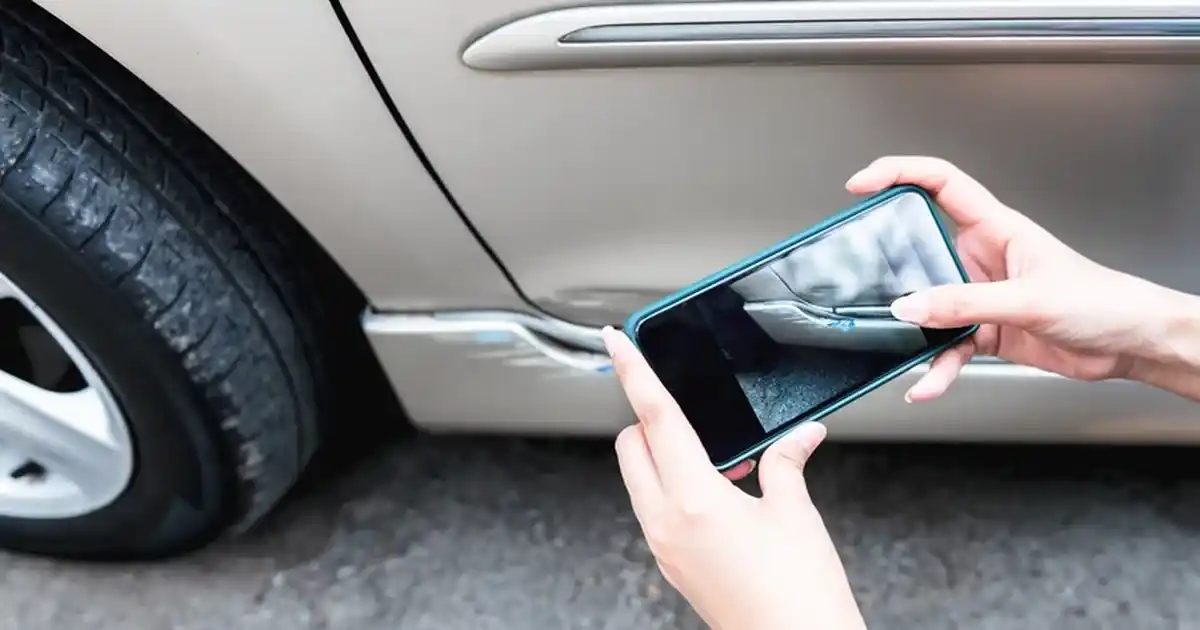
- Document everything: Take photos and videos of the entire car before leaving the lot. Get all angles, focus on any existing damage, check the interior, and photograph the fuel level.
- Read before signing: Never sign a rental agreement without reading it completely. If it’s not in English, ask for a translation or use a translation app.
- Understand the excess: Know exactly how much you could be liable for and ensure it matches what was advertised.
- Get everything in writing: Verbal agreements mean nothing. Insurance coverage, fuel policy, mileage limits – all should be clearly stated in your contract.
- Be present at return: Do the return inspection together with the agent and don’t leave until both parties agree on the car’s condition.
I can’t stress enough how important that first step is. Spend 10 minutes thoroughly documenting the car. It might seem excessive, but those photos could save you thousands of dirhams if there’s a dispute later.
🎯 Final Thoughts: Making the Right Insurance Decision
Look, there’s no one-size-fits-all answer to the question of what car rental insurance you need in Morocco. It depends on your risk tolerance, driving experience, budget, and travel plans.
What I can tell you is this: don’t let rental agents pressure you into coverage you don’t need, but also don’t skimp on insurance just to save a few dirhams if it means you’ll spend your entire trip stressed about potential damage.
For most travelers, I recommend at least basic CDW coverage. It’s a reasonable middle ground that provides protection without breaking the bank. If you’re planning extensive driving through challenging terrain or this is your first international rental experience, the peace of mind of full coverage is probably worth the extra cost.
And whatever you decide, remember to document everything, read your contract carefully, and stand your ground against high-pressure sales tactics at the rental desk.
Morocco is an incredible country to explore by car. From the bustling souks of Marrakech to the stunning Sahara Desert, having your own wheels opens up endless possibilities. Don’t let insurance confusion or fear of scams stop you from having an amazing adventure.
Now that you understand car rental insurance in Morocco, you’re ready to confidently book your rental and hit the road. Check out our comprehensive guide on car rental in Morocco for more tips on choosing the right vehicle and company, and start planning your ultimate Moroccan road trip!
Safe travels, and don’t forget to take lots of pictures along the way!