

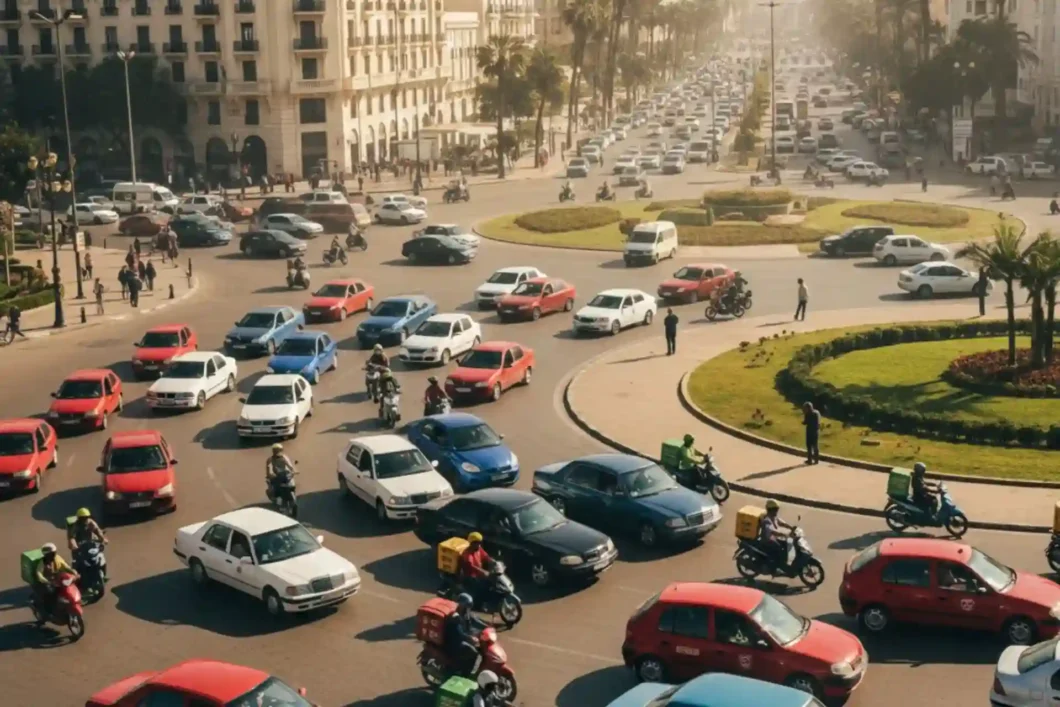
Last Tuesday morning in Casablanca, I sat at a roundabout for what felt like an eternity. Cars entered from every direction, nobody signaling, nobody yielding. A grand taxi cut straight across three lanes. A delivery scooter squeezed between two bumpers. And me? I just sat there, gripping the wheel, wondering if I’d ever actually make it through.
That’s when it hit me: urban driving logistics in cities like Marrakech, Casablanca, or even Cape Town isn’t about following traffic laws. It’s about understanding the unwritten rules that actually govern the streets.
You’ve probably read the basics about driving in Morocco. But the real question is this: what happens when two cars arrive at the same unmarked intersection? The legal answer is simple. The reality? Not so much.
In Marrakech, Casablanca, and even smaller cities, intersections feel like negotiation zones. There are traffic laws on paper, and then there’s what actually happens on the street. Understanding both is crucial.
Here’s something most tourists don’t realize: the biggest challenge isn’t finding your way. It’s understanding when to actually stop at intersections. Or more accurately, when others won’t stop despite having a stop sign directly in front of them.
I’ve spent three months navigating these streets. I’ve scratched a bumper (slightly). I’ve been honked at more times than I can count. And I’ve learned that successful city driving here requires a completely different mindset than what most Western drivers are used to.
Mastering the Roundabout: Rules vs. Reality
Morocco officially follows the priorité à droite rule. At unmarked intersections, vehicles from the right have priority. At roundabouts, the international standard applies: priority to vehicles already in the circle.
Except here’s the problem: that assumes everyone knows the rule. In practice, the “biggest vehicle wins” mentality dominates. Buses and trucks edge forward regardless of legal right-of-way.
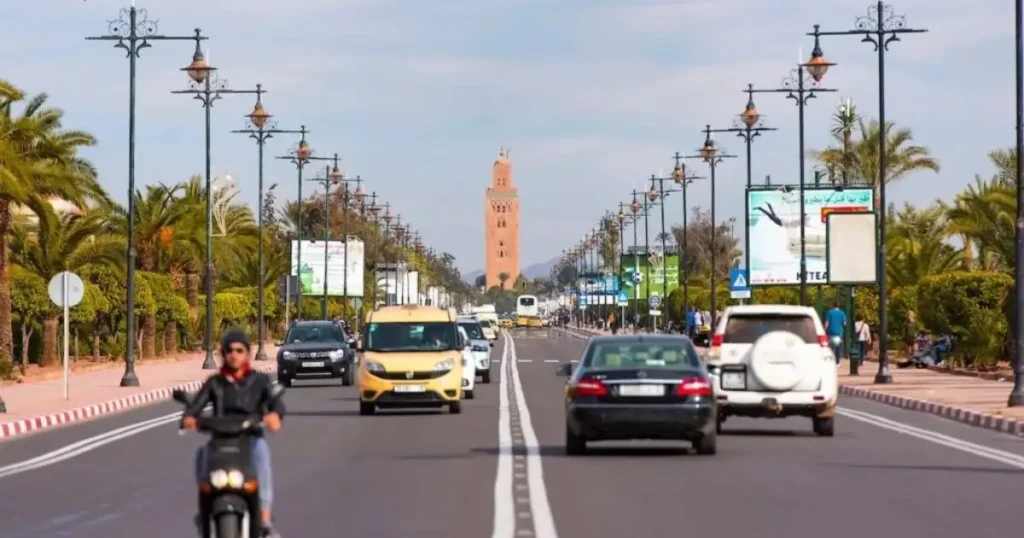
Roundabouts in Morocco have a complicated history. The rules changed, but many drivers still follow old habits. Historically, Morocco used the old French system where entering traffic had priority. Today, the international standard applies: priority to vehicles already in the roundabout.
But here’s the catch: not everyone got the memo. In older neighborhoods, some drivers still follow the old rule. Others just wing it entirely.
So what’s a foreign driver supposed to do? Here’s what actually works:
Approach slowly. Not tentatively—that invites others to cut in front. But controlled. You want to arrive at the circle with enough space to assess who’s already committed.
Watch the nose, not the indicator. Turn signals mean almost nothing here. If a car’s front bumper is angled into the circle, they’re going. If it’s pointed straight, they might yield.
Enter decisively. Once you’ve identified a gap, commit. Hesitation creates confusion for everyone behind you.
The worst mistake? Stopping completely inside the roundabout to let someone in. This creates a ripple effect of confusion. If you’re in the circle, keep moving. If you’re outside, wait for a clear gap.
For more context on general Morocco road trip logistics, understanding roundabouts is just one piece of a larger puzzle.

After understanding the hierarchy, you’ll face another uniquely Moroccan challenge: the yellow vest parking attendants.
Decoding the Yellow Vests: The Parking Attendant Phenomenon
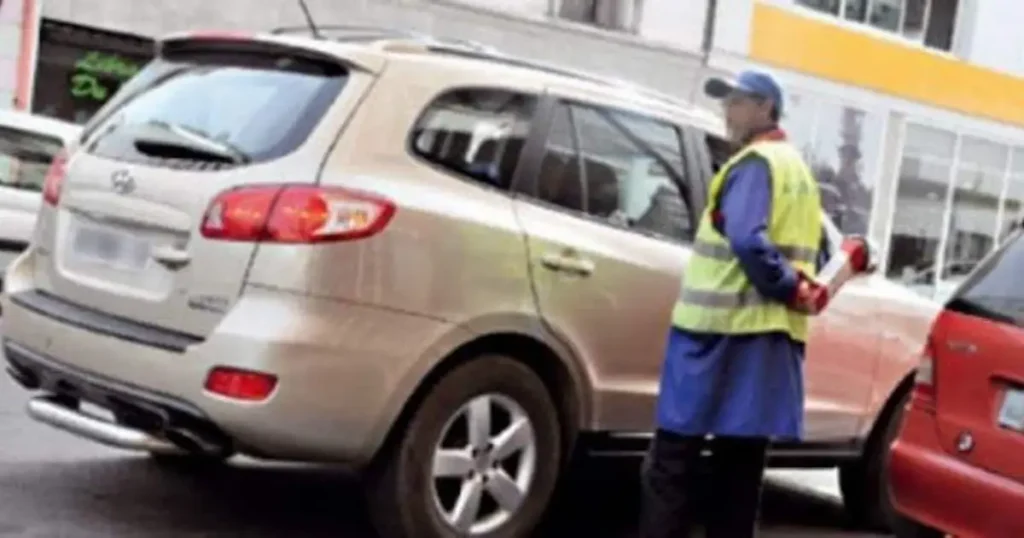
Every tourist encounters them eventually. You park on a public street, and within seconds, a man in a yellow vest appears. He didn’t help you park. He didn’t reserve the spot. But he expects payment.
Who are these parking attendants, and why do they exist?
The short answer: they’re informal workers filling a gap in urban services. In cities like Marrakech, Casablanca, and Rabat, official parking enforcement is limited. These attendants—sometimes called gilets jaunes (yellow vests)—act as unofficial guardians of parked cars.
The longer answer is more complicated. Some are legitimately helpful. They’ll watch your car, prevent others from parking too close, and wave you into tight spots. Others are opportunists who expect payment for doing nothing.
Here’s what I learned after dozens of parking experiences:
The attendants aren’t employed by the city. They work for tips. No yellow vest means guaranteed income. They’re betting that drivers will pay 5-10 dirhams to avoid potential problems.
They’re not all scammers. Many genuinely watch cars. In neighborhoods where car break-ins are common, their presence deters theft. But you need to know how to distinguish helpful attendants from aggressive ones.
The yellow vest isn’t always official. Anyone can buy a yellow vest. Some attendants operate in designated zones with city approval. Others just showed up one day and claimed a street.
For tips on handling car rental logistics in Morocco, understanding parking dynamics is essential.
Once you’ve mastered parking dynamics, the next challenge is navigating intersections where rules seem optional.
Right-of-Way Rules: When to Yield and When to Push
Here’s a scenario that happened to me in Fes: I approached a four-way stop. I arrived first, so according to international traffic law, I had right-of-way. But a Mercedes from my left didn’t even slow down. It rolled through the intersection as if the stop sign didn’t exist.
Welcome to urban driving in Morocco. Stop signs are suggestions. Yield signs are decorations. And right-of-way is determined by whoever has the most confidence.
The official rule is priorité à droite—priority to the right. If two cars arrive at an unmarked intersection simultaneously, the car on the right goes first.
But here’s what actually happens: The car with the most momentum goes first. The car whose nose is furthest into the intersection goes first. The car with the most expensive paint job goes first.
Strategies that actually work:
Eye contact is everything. Before entering an intersection, make eye contact with drivers approaching from other directions. If they look away, they’re not yielding. If they nod or wave, proceed cautiously.
First nose wins. If your front bumper is even slightly ahead of the other car’s, you have psychological right-of-way. This isn’t legal, but it’s how intersections actually work here.
Speed equals authority. If you approach an intersection slowly, others interpret it as hesitation. They’ll cut in front. Approach at a consistent speed (not fast, but steady), and others are more likely to yield.
Horn usage is communication. A quick tap means “I’m here, I’m not stopping.” A long honk means “I have right-of-way, back off.” A series of short honks means “You’re doing something wrong.” Learn the language.
For longer Morocco road trip routes, understanding intersection dynamics prevents dozens of near-misses.
One mistake I made early: I assumed that because I had right-of-way legally, I was safe. Wrong. Legal right-of-way means nothing if the other driver isn’t looking or doesn’t care. Defensive driving isn’t about being right. It’s about avoiding accidents.
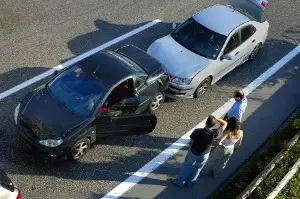
After three months of navigating Moroccan cities, here’s my honest take: urban driving logistics here isn’t impossible, but it requires unlearning a lot of Western driving habits.
Final Survival Checklist
Here’s what actually matters:
Trust signs, not instincts. If you see a yield marker at a roundabout, assume the other drivers see it too—but won’t follow it. Slow down anyway.
Speed modulation is key. Arrive at intersections slowly enough to assess, but accelerate decisively once you commit. Hesitation causes confusion.
Pay parking attendants without resentment. 5-10 dirhams is cheap insurance. Yes, it feels like a scam sometimes. But it’s part of the system.
Follow a petit taxi if uncertain. Local taxis know the unwritten rules. If you’re unsure about an intersection or a confusing merge, let a taxi go first and mimic their behavior.
Get full insurance coverage. The few extra euros per day are worth it. Minor scrapes are inevitable in tight medina streets and chaotic roundabouts.
The biggest lesson? Urban driving in Morocco isn’t about following rules—it’s about understanding how traffic actually flows. Once you accept that, the chaos becomes manageable. Stressful, sure. But manageable.
Would I recommend driving in Marrakech or Casablanca for first-time visitors? Honestly, no. Take taxis or arrange a driver for the first few days. Watch how locals drive. Learn the patterns. Then rent a car for road trips outside the city.
But if you do drive, go in with the right expectations. This isn’t Western Europe. Rules exist, but they’re flexible. Aggression is normalized. And the driver who hesitates loses.
Stay calm, stay alert, and remember: every Moroccan driver was once a confused tourist too. You’ll figure it out.