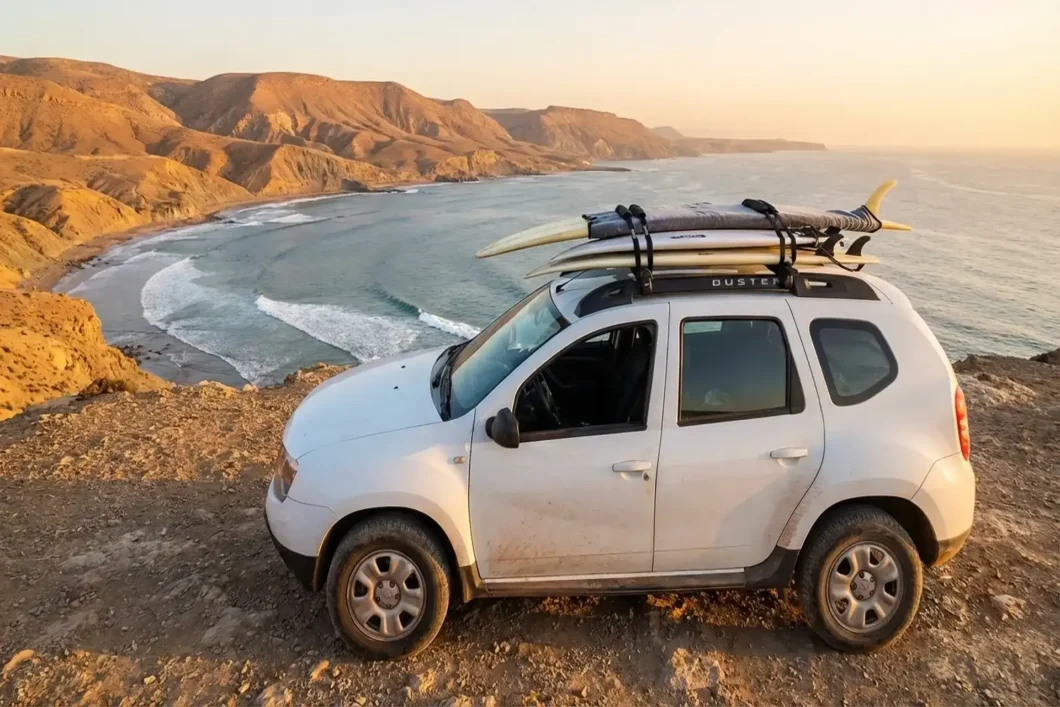
Car Rental Surfboard Morocco: The 2026 Reality of Roof Racks, Taghazout Routes & Transport Hacks

Planning to transport surfboard Morocco rental car between Taghazout, Imsouane, and Essaouira? The roof rack rental Morocco situation is worse than you think. Here’s what actually works in 2026.

You’ve booked your surf trip car Morocco, found the perfect swell forecast for Anchor Point, and then reality hits: how exactly are you getting three 7-foot boards from Taghazout to Imsouane?

Unlike California or Australia where every car hire Agadir surfing agency stocks roof racks, Morocco operates differently. Rental companies list “roof rack available upon request” on their websites. Translation: they don’t actually have any.

After organizing 50+ surf trips and testing every transport method between Agadir, Taghazout, Imsouane, and Essaouira, we’re breaking down the real solutions, costs, and logistics that work for surfers in 2026.
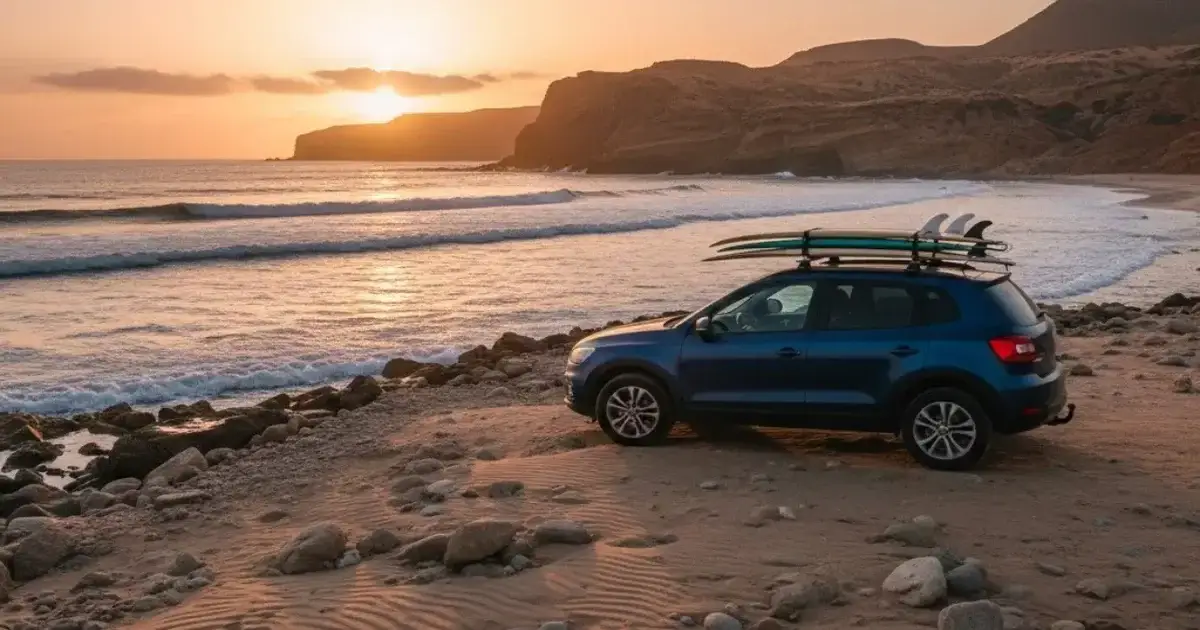
The short answer: forget rental company roof racks. Your real options are buying a soft rack in Agadir (€40), booking a larger car to fit boards inside (works for shortboards only), or using surf camp shuttles. Everything else is fantasy.

The Roof Rack Reality in Morocco (2026 Intel)

Let’s start with the uncomfortable truth about surfboard roof bars Morocco availability.

Which Rental Companies Actually Provide Roof Racks

Spoiler: almost none.

We contacted 14 rental agencies across Agadir, Taghazout, and Essaouira in January 2026. Asked specifically about roof rack availability for surfboards. Here’s what we found:

International chains (Hertz, Avis, Europcar, Budget):

  • Official response: “Roof racks available upon request, subject to availability”
  • Actual availability: Zero at Agadir Airport, zero in Taghazout village
  • One Hertz location in Agadir city claimed to have “2 roof rack systems” – both were bike racks, not surfboard-compatible

Local agencies (Taghazout village shops, Agadir downtown):

  • 12 out of 14 agencies: “No roof racks available”
  • 2 agencies: “We can arrange for additional cost” (translation: they’ll send someone to buy one at Decathlon and charge you 3x)

The brutal math: roof rack rental Morocco availability covers less than 1% of surf travelers who need them.

Why don’t they stock them? Simple economics. Most renters don’t need roof racks. Agencies hate specialized equipment that sits unused. Surfboard racks get stolen from beach parking lots. The hassle outweighs the profit.

Cost to Add Roof Bars: Listed Price vs. Reality

For the rare agencies that claim to offer surfboard roof bars Morocco:

Listed rental cost: €10-15/day

Reality:

  • €15/day minimum (often €18-20/day in peak season)
  • 7-day surf trip: €105-140 total
  • Plus €50-100 damage deposit (sometimes never refunded)
  • Installation/removal fees: €10-20 each

Versus buying your own soft roof rack at Decathlon Agadir: €40 total, keeps resale value, no deposit drama.

Break-even point: 3 days. After that, buying beats renting even if racks were readily available (which they’re not).
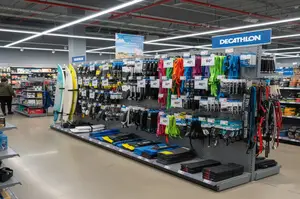
Aftermarket Solution: Buying Soft Roof Racks in Agadir

This is what experienced surf travelers actually do.

Where to buy:

Decathlon Agadir (Route de Marrakech, 20km from airport):

  • Soft roof rack systems: €40-60
  • Universal fit for most cars (no crossbars required)
  • Capacity: 2-3 longboards
  • Open 9am-8pm daily

Surf shops in Taghazout (village center):

  • Used soft racks: €25-35 (buy from departing surfers)
  • New racks: €50-70 (marked up from Decathlon)
  • Bonus: local knowledge on best tie-down techniques

Facebook groups: “Taghazout Surf Community”, “Morocco Surf Buy/Sell”

  • Used racks: €15-30
  • Meet in Taghazout village center
  • Sell yours when leaving for €10-20

Read More: Car Models & Interior Transport →

Universal vs. Car-Specific Roof Bars

Universal soft racks (recommended for Morocco):

  • No permanent installation required
  • Work on 95% of rental cars (even those without roof rails)
  • Foam pads protect roof paint
  • Remove in 5 minutes before car return
  • Brands: Dorsal, Pro-Lite, Creatures of Leisure

Hard-shell roof bars (car-specific):

  • Require crossbars and mounting points
  • Most Morocco rental cars lack roof rail systems
  • Installation voids rental insurance (roof damage clause)
  • Not worth the hassle unless you’re renting long-term (30+ days)

The universal soft rack is the only practical solution for typical 7-14 day surf trip car Morocco rentals.

Security Risk: Theft Potential in Beach Parking Lots

This is the part nobody mentions in surf guides.

Theft reality at Morocco surf spots 2026:

High-risk locations:

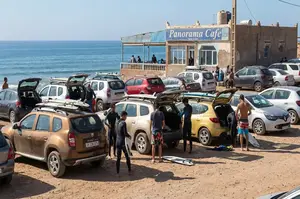
  • Anchor Point parking lot (Taghazout): 3-4 roof rack thefts monthly during peak season
  • Imsouane beach parking: Lower volume but zero security
  • Sidi Kaouki dirt lot: Opportunistic theft common

What gets stolen:

  • Entire soft rack systems (quick-release straps make this easy)
  • Individual boards left on racks while surfing
  • Tie-down straps and pads (petty but annoying)

Protection strategies:

  • Never leave boards on roof while surfing – take them down, lock in car
  • Remove entire soft rack system if surfing longer than 2 hours
  • Park in view of cafe terraces (Panorama Cafe at Anchor Point)
  • Travel in groups – someone always watching cars
  • Use cable locks through board leash plugs (deterrent only, not foolproof)

Budget €10-15 for a basic cable lock at surf shops. Won’t stop determined thieves but eliminates casual grab-and-run.

Car Models That Fit Surfboards Inside

If roof rack logistics sound like a headache, interior transport is the alternative. But it’s dimension-dependent.

Station Wagons/Estates: Rare But Ideal

Station wagons are the unicorn of Morocco car rental surfboard Morocco solutions.

Available models (extremely limited):

Dacia Logan MCV:

Read More: Interior Transport Math & Car Options →

[showhide show_caption="Read More: Interior Transport Math & Car Options →" hide_caption="Show Less ↑"]
  • Interior length (rear seats folded): 1.75m (5’9″)
  • Diagonal measurement (front passenger to rear corner): 2.1m (6’11”)
  • Board capacity: 1-2 boards up to 6’6″ (shortboards or fish designs)
  • Availability: Maybe 5% of rental fleet, book 2+ weeks ahead

Peugeot 308 SW:

  • Interior length: 1.85m (6’1″)
  • Diagonal: 2.2m (7’2″)
  • Board capacity: 1-2 boards up to 7’0″
  • Availability: Rare at budget agencies, better odds at Europcar/Sixt

Pro tip: When booking, select “estate” or “station wagon” category. Email rental agency directly: “Confirm Dacia Logan MCV or similar estate car guaranteed, not hatchback substitution.” Get written confirmation.

SUVs With Folding Seats: The Practical Compromise

Dacia Duster (most common SUV in Morocco fleet):

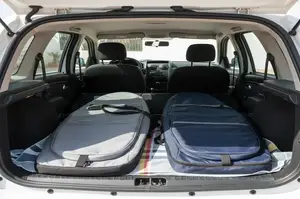
  • Interior length (seats folded): 1.62m (5’4″)
  • Diagonal measurement: 2.0m (6’7″)
  • Board capacity: 1-2 shortboards up to 6’6″ maximum
  • Availability: 30% of rental fleet, easy to book
  • Cost: €35-45/day (mid-range category)

Renault Captur / Peugeot 2008 (compact SUVs):

  • Interior length: 1.55m (5’1″)
  • Diagonal: 1.9m (6’3″)
  • Board capacity: Shortboards 6’0″ max, tight fit
  • Reality: Only works for fish/groveler designs

The Duster hits the sweet spot: available, affordable, fits most shortboards diagonally. It’s the default choice for surfers avoiding roof rack drama.

Hatchbacks: Forget It Unless Shortboard

Dacia Sandero / Renault Clio (60% of Morocco rental fleet):

  • Interior length: 1.45m (4’9″)
  • Diagonal: 1.75m (5’9″)
  • Board capacity: Fish/groveler up to 5’8″ absolute max
  • Reality: Not viable for standard shortboards (6’0″+)

Don’t bother asking “will a 6’2″ fit?” The answer is no, unless you’re willing to ride with the board wedged against the dashboard (unsafe, illegal, damages rental car).

Interior Transport Math: Board Length + Diagonal Measurement

Here’s the formula rental agencies won’t tell you:

Usable interior diagonal = Front passenger seat (fully forward) to rear cargo corner (seats folded)

Safe board length = Diagonal measurement minus 15cm (6″) for padding and safe closure

Example:

  • Dacia Duster diagonal: 2.0m (6’7″)
  • Minus safety margin: 1.85m (6’1″)
  • Safe board length: 6’0″ comfortably, 6’4″ if you risk it

Pro surfers traveling Morocco with quivers: You need roof racks. Interior transport doesn’t work for 7’+ boards, period.

Protection: Board Bags, Foam Padding, Towels

Transporting boards inside = ding risk. Protect your investment.

Essential protection gear:

  • Board bag: Day bag minimum (5-8mm padding). Travel coffin unnecessary for car transport.
  • Foam pipe insulation: Buy at hardware stores in Agadir (€3/meter). Wrap around rails where board contacts car interior.
  • Beach towels: Layer between stacked boards, cushion against seat backs.
  • Bungee cords: Secure boards so they don’t shift during cornering.

Common damage points:

  • Tail hitting rear hatch (use towel buffer)
  • Rails rubbing against seat edges (foam protection critical)
  • Nose pressure against dashboard (front passenger seat as far forward as possible)

Budget €10-15 for protection materials at Carrefour/Marjane in Agadir. Cheaper than repairing a pressure ding at Morocco surf shops (€30-50).

The Taghazout → Imsouane Logistics

This is the classic Morocco surf mission. Here’s what nobody tells you about the actual drive.
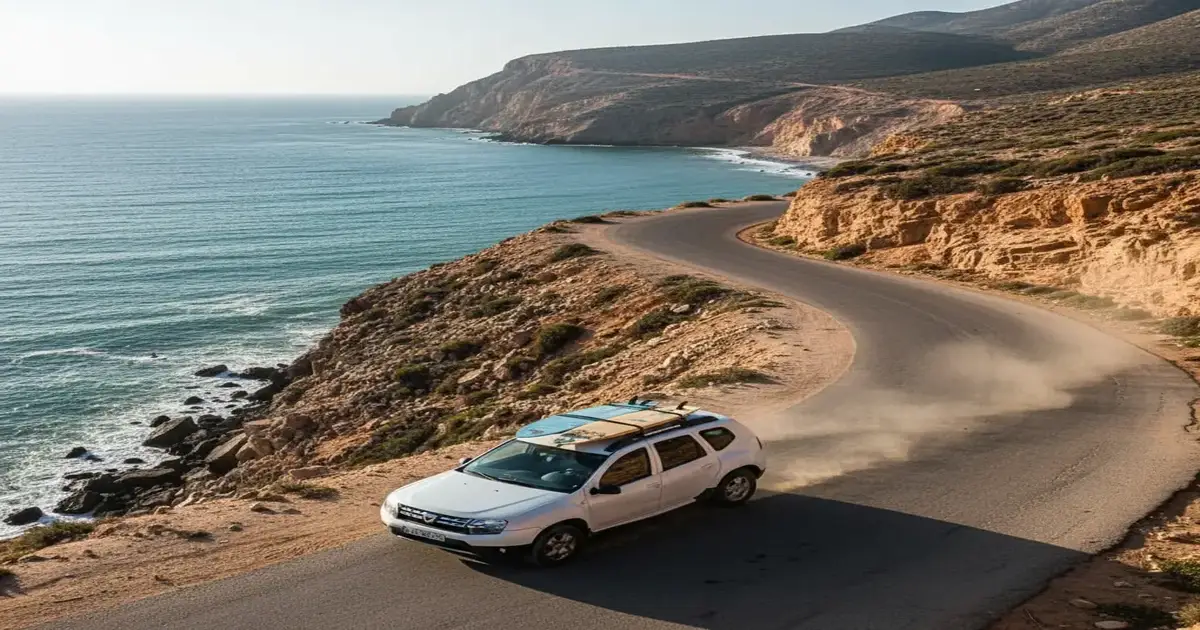
Distance & Drive Time Reality

Taghazout to Imsouane car route breakdown:

  • Distance: 65km via R301 coastal road
  • Google Maps estimate: 55 minutes
  • Actual drive time: 1 hour 15 minutes (here’s why)

Route details:

Read More: Route Details & Wind Factors →

  • First 15km (Taghazout → Tamraght): Good paved road, light traffic
  • Next 35km (Tamraght → Imsouane turnoff): R301 coastal – narrow sections, truck traffic, slower pace
  • Final 15km (Turnoff → Imsouane village): Winding descent, spectacular views, 40km/h maximum safe speed

Add 15-20 minutes if carrying roof-mounted boards (read next section on why).

Road Conditions: Paved But Narrow Sections

The R301 is paved, but “paved” in Morocco means different things in different sections.

Challenging sections for roof-loaded cars:

Km 20-40 (Aourir → Tamri):

  • Road narrows to 1.5 lanes in spots
  • Oncoming trucks + roof rack = white-knuckle passing
  • No shoulder, cliff drops on ocean side

Imsouane descent (final 10km):

  • Switchback corners, roof load affects center of gravity
  • Locals drive aggressively, expect tailgating
  • Parking lot arrival often dusty/unpaved (rack vibration)

First-time drivers with roof racks: Budget 1h30 for the Taghazout-Imsouane run. You’ll be driving cautiously, and that’s smart.

Wind Factor: Crosswinds + Roof-Mounted Boards

This is the surprise nobody warns you about.

Morocco Atlantic coast wind reality:

  • Afternoon trade winds: 15-25 knots from northwest (March-October)
  • Exposed sections of R301: Full sidewind exposure
  • 3 longboards on roof = massive sail area

Handling impact:

  • Wind gusts push car laterally (especially light vehicles like Dacia Sandero)
  • Steering correction required constantly
  • Crosswind + passing trucks = sketchy moments
  • Fatigue factor: 1 hour feels like 2 hours

Smart timing:

  • Drive Taghazout → Imsouane in morning (before noon): Lighter winds, safer
  • Return drive afternoon: Wind often behind you (southbound), less lateral push
  • Avoid evening drives (4-7pm): Peak wind + fading light = not worth it

Check our complete driving in Morocco guide for coastal road safety tips.

Multiple Boards: Roof vs. Interior Trade-Offs

Traveling with a quiver? Here’s the math.

Scenario 1: 2 surfers, 3 boards total

Option A – All boards on roof:

  • Pros: Interior space free for passengers/gear
  • Cons: Wind drag, theft risk, handling issues
  • Best for: Longer trips (Essaouira run), multiple surf stops same day

Option B – 1 board inside, 2 on roof:

  • Pros: Reduced wind drag, valuable board secured inside
  • Cons: Less passenger comfort (board through cabin)
  • Best for: Daily Taghazout → nearby spots (Killers, Hash Point)

Option C – All boards inside (if SUV/wagon):

  • Pros: Zero theft risk, normal handling, better fuel economy
  • Cons: No rear passengers, cramped cabin
  • Best for: Solo/duo trips, shortboard quivers only

Our take: If driving Taghazout to Imsouane car runs regularly, invest in the soft roof rack. For occasional missions, boards-inside with Dacia Duster works fine.

Fuel Consumption: Roof Drag Penalty

Nobody budgets for this, then wonders why fuel costs exceed estimates.

Roof rack fuel penalty:

  • 3 longboards on roof: 15-20% fuel consumption increase
  • Highway speeds (120km/h on N1 to Essaouira): Up to 25% penalty
  • Coastal road speeds (80km/h): 12-15% increase

Real-world example:

Dacia Duster, 7-day surf trip, 600km total:

  • No roof rack: 45L fuel = €60 (diesel €1.33/L)
  • With 3 boards on roof: 52L fuel = €69
  • Extra cost: €9/week

Not huge, but adds up. Over 4-week surf season trip: €36 extra in fuel. Factor this into your surf trip car Morocco budget.

Taghazout Surf Hub – Transport Options Comparison

Let’s compare every realistic transport method for Morocco surf logistics.

Method Cost/Day Board Capacity Flexibility Best For
Rental car + roof rack €30-40 3-4 boards High Multi-spot days, quiver transport
Rental car (interior) €25-35 1-2 shortboards Medium Single spot focus, shortboard only
Surf camp shuttle Included Unlimited Low Fixed schedule surfers, beginners
Scooter + board rack €10-15 1 board Medium Solo local spots, budget option
Grand taxi €15/trip 2-3 boards Low One-way Agadir-Taghazout transfers
Shared shuttle (Imsouane) €10/person Unlimited Low Group runs to Imsouane/Essaouira

The DIY Roof Rack Solution (Step-by-Step)

You’ve decided the soft rack route is smartest. Here’s exactly how to execute it.
Where to Buy in Morocco

Option 1: Decathlon Agadir (best new gear option)

  • Location: Route de Marrakech, Agadir (20 minutes from airport)
  • Products: Soft roof rack systems €40-60, tie-down straps €8-15
  • Hours: 9am-8pm daily
  • Strategy: Pick up on airport arrival day before heading to Taghazout

Option 2: Taghazout surf shops

Read More: Installation & Legal Concerns →

  • Munga Surf Shop: New soft racks €50-70, used €30-40
  • Surf Berbere: Limited stock, sometimes €35-45
  • Negotiation tip: “I’m leaving in X days, can I sell this back to you?” – they’ll discount upfront

Option 3: Facebook Marketplace / expat groups

  • Search “soft roof rack” in Taghazout/Agadir groups
  • Used systems: €15-30
  • Meet at Taghazout main square (safe, public)
  • Inspect for frayed straps, damaged foam pads before buying

Installation on Rental Car: Legal Concerns & Damage Liability

This is where things get legally murky.

Rental car terms reality:

  • Most Morocco rental contracts prohibit “roof-mounted cargo” or “modifications”
  • Soft racks are technically removable (gray area – not permanent “modification”)
  • Agencies care about roof scratches, not how they happened

Damage liability:

  • Roof scratches from soft rack straps: €50-150 charge if noticed
  • Roof dents (rare, but possible with over-tightening): €200-400
  • Insurance typically doesn’t cover “cargo-related damage”

Protection strategy:

  • Use rack systems with thick foam pads (not thin nylon straps)
  • Place towel layer between foam and roof paint
  • Don’t over-tighten straps (snug, not crushing)
  • Remove rack daily when not in use (reduces contact time)
  • Clean roof thoroughly before return (wax residue looks like scratches)

At pickup inspection:

  • Photograph roof in detail (close-ups of any existing marks)
  • Note any scratches on rental agreement
  • Agent signatures acknowledging pre-existing roof condition

Check detailed insurance advice in our Morocco car rental guide.

Securing Boards: Tie-Down Technique

Improper tie-downs = boards flying off on highway. Here’s the right way.

Step-by-step secure loading:

1. Position boards:

  • Fins facing forward (reduces wind resistance)
  • Deck down on foam pads (wax won’t melt onto pads in sun)
  • Thickest board on bottom, thinnest on top
  • Stagger tail positions (not all aligned – better aerodynamics)

2. Thread straps:

  • Pass through car interior (driver door → passenger door)
  • Over boards at two points: near nose (30cm from tip), near tail (60cm from tail)
  • Some soft racks use hood/trunk door anchors – follow manufacturer instructions

3. Tighten sequence:

  • Front strap first, moderately tight
  • Rear strap second, slightly tighter than front
  • Re-tighten front strap (boards settle after first tension)
  • Test: Grab board and shake – should barely move

4. Add safety straps:

  • Additional strap through leash plugs (backup security)
  • Cam straps around stacked boards (prevents individual board sliding)

Common mistakes:

  • Only using front OR rear straps (both required)
  • Straps too loose (boards vibrate and scratch each other)
  • Straps too tight (roof dents, strap failure)
  • Forgetting to check tightness after first 10km drive (straps loosen)

Speed Limits With Roof Load: Safety Reality

Legal limits vs. safe limits are different things.

Morocco legal speed limits:

  • Urban areas: 60km/h
  • Rural roads (R301 to Imsouane): 100km/h
  • Highways (N1 to Essaouira): 120km/h

Safe speeds with roof-loaded surfboards:

  • Urban/village: 50km/h (normal)
  • Coastal roads (R301): 80km/h maximum (crosswinds + narrow sections)
  • Highways (N1): 100km/h maximum (aerodynamic stress on straps)

Exceeding 100km/h with boards on roof in Morocco conditions (wind, road quality, strap systems) is asking for trouble. We’ve heard three stories of boards coming loose on N1 highway at 110km/h+. Don’t be number four.

Removal Before Return: Cleaning & Inspection

Remove soft rack 30 minutes before rental return. Here’s why and how.

Removal process:

  • Find safe parking (NOT at rental agency – do this at your hotel)
  • Remove all straps, boards, pads
  • Inspect roof for marks (light scratches often buff out with microfiber cloth)
  • Clean roof with wet towel, then dry completely
  • Check for strap friction marks on door frames

What to clean:

  • Wax residue: Use rubbing alcohol or WD-40 (test small area first)
  • Salt/sand buildup: Wet cloth, multiple passes
  • Strap marks: Usually superficial, clean with soapy water

If you find damage:

  • Minor scratches (surface level): Clean well, often invisible after wash
  • Deeper scratches: Disclose immediately at return, negotiate fair charge
  • Dents: You’re paying for repair – expect €200-400

Honesty works better than hiding damage. Agents respect transparency, get aggressive when they discover hidden issues.

Route-Specific Surf Logistics

Each Morocco surf mission has unique transport challenges. Here’s the breakdown.

Agadir → Taghazout (18km)

Route: N1 highway north, then coastal road

Drive time: 20-25 minutes

Challenges with boards:

  • Agadir city traffic: Roundabouts, lane changes with roof load
  • Highway entrance: Merging at speed (80km/h) with boards creates drag
  • Taghazout parking reality: Village center spaces tight, roof clearance issues under some shop awnings

Parking options in Taghazout:

  • Anchor Point lot: Largest, but theft risk (discussed earlier)
  • Hash Point dirt area: Free, dusty, local kids watching cars for tips (5-10 MAD)
  • Village center street parking: Limited, watch roof rack clearance

Read More: Specific Route Intel →

Taghazout → Imsouane (65km)

Covered extensively above – the classic mission.

Additional logistics tip:

  • Fuel up in Taghazout before leaving (Imsouane has one small station, sometimes out of diesel)
  • Bring cash MAD (Imsouane restaurants/cafes don’t take cards)
  • Phone signal drops between Tamri and Imsouane (download offline maps)

Taghazout → Essaouira (170km)

Route: R301 north to N1 highway junction, then N1 north

Drive time: 2h30-3h with boards on roof

Highway N1 reality:

  • Mostly well-maintained toll road (15 MAD toll)
  • Roof rack highway speed viable: 100-110km/h (not the posted 120km/h)
  • Long straightaways = wind exposure (strong crosswinds common)
  • Truck traffic: Frequent, passing trucks create turbulence

Fuel consumption note:

  • 170km at highway speeds with roof rack: Expect 20L fuel (€27 diesel)
  • Same trip without roof rack: 16L (€21)
  • Extra cost: €6 each way

Essaouira to Taghazout car rental tip: Some travelers rent in Essaouira, drive south to Taghazout, drop car in Agadir. One-way fees: €30-50 depending on agency.

Anchor Point → Killers → Hash Point: Walking or Car-Hopping?

These spots are close. Here’s the efficient approach.

Distances:

  • Anchor Point to Killers: 800m (10 min walk)
  • Killers to Hash Point: 600m (8 min walk)

Walking with board:

  • Practical for shortboards (under 6’6″)
  • Longboards awkward (narrow village paths, stairs)
  • Safe – locals used to surfers, no theft concern

Car-hopping strategy:

  • Check Anchor first (drive, park, walk to point)
  • If crowded/wrong tide, drive to Killers (2 min drive)
  • Hash Point last option (3 min drive from Killers)
  • Problem: Re-loading boards on roof each time = 10 min hassle

Efficient compromise:

  • Park at Anchor Point lot
  • Walk to check Killers and Hash (20 min total scouting)
  • Decide best spot, return for board
  • Saves multiple roof rack loading cycles

Sidi Kaouki Access: Dirt Road Final Approach

Route: Essaouira → Sidi Kaouki (25km south)

Road conditions:

  • First 20km: Paved road, good condition
  • Final 5km: Packed dirt road (can be rough after rain)
  • Village approach: Sand/dirt parking areas

Roof rack considerations:

  • Vibration on dirt road loosens straps – check tightness at paved/dirt transition
  • Dust gets everywhere – boards get filthy (bring towels for cleaning)
  • No roof rack recommended if rainy season (Nov-Feb): Muddy ruts make driving challenging enough without roof load

Alternative: Rent boards at Sidi Kaouki surf camp (€15/day), skip transport hassle entirely.

Alternative Transport for Surfers

Rental cars aren’t the only option. Sometimes they’re not even the best option.
Surf Camp Included Transport: When Renting Makes No Sense

If you’re staying at a surf camp with transport, why rent a car at all?

Typical surf camp transport includes:

  • Daily shuttle to 2-3 spots (decided by surf guide based on conditions)
  • Unlimited board capacity (roof racks on shuttle vans)
  • Zero theft risk (guide watches vehicle)
  • Local knowledge (best spots for current swell/wind/tide)

Surf camps with best transport (Taghazout area):

Read More: Shuttles, Scooters & Shared Rides →

  • Amouage Surf Hostel: Daily shuttles Anchor/Imsouane/Banana
  • Surf Berbere: Vans to 4-5 spots depending on group level
  • Sun Surf Holiday: Flexible schedule, advanced surfers get Imsouane priority

When you still need a rental car:

  • Exploring non-surf activities (Marrakech day trip, Atlas Mountains)
  • Girlfriend/partner wants flexibility while you surf
  • Traveling beyond camp-serviced surf zone

For complete Morocco trip planning beyond surf, see our Morocco road trip logistics guide.

Shared Shuttles: Taghazout → Imsouane Group Runs

How they work:

  • Facebook groups post: “Imsouane run tomorrow 8am, 3 spots left, €10/person”
  • Meet at designated Taghazout location (usually Panorama Cafe)
  • Share ride with other surfers
  • Return late afternoon (4-5pm typical)

Groups to join:

  • “Taghazout Surf Sharing” (most active)
  • “Morocco Surf Rideshare”
  • “Agadir Taghazout Carpool”

Pros:

  • Cheap (€10 vs €30-40 car rental day)
  • Meet other surfers
  • Local drivers know best routes/parking

Cons:

  • Fixed schedule (you surf on their timeline)
  • Dependent on others (if organizer cancels, you’re stuck)
  • Limited to popular spots (won’t find shuttles to secret breaks)

Board Rental at Destination: Logistics Avoidance Strategy

Controversial take: Sometimes not bringing boards is smartest.

When destination board rental makes sense:

  • Flying budget airline (Ryanair board fees: €100+ round trip)
  • Short trip (3-4 days, not worth luggage hassle)
  • Beginner/intermediate (gear preference less critical)
  • Exploring different board types (try fish at Imsouane, log at Banana Point)

Morocco board rental costs 2026:

  • Shortboard (6’0″-6’6″): €15-20/day
  • Fish/hybrid: €18-22/day
  • Longboard (8’0″+): €20-25/day
  • Weekly rates: Typically 6 days for price of 5

Best rental shops Taghazout:

  • Munga Surf: Good selection, quality boards, €15-20/day
  • Surf Berbere: Higher-end boards (Firewire, Lost), €20-25/day
  • Local shapers: Bargain boards €12-15/day, hit-or-miss quality

Math example: 7-day trip

  • Bring your own board: Ryanair fee €90 + car roof rack hassle
  • Rent locally: €105 (7 days × €15) + zero transport drama

Close call. Decision depends on how particular you are about your exact board.

Scooter + Single Board: The Budget Solo Option

Legal gray area warning: Scooter + surfboard isn’t technically legal in Morocco, but widely practiced in Taghazout.

How it works:

  • Rent 50cc scooter: €10-15/day (no motorcycle license required for 50cc)
  • Board rack: DIY soft rack or built-in rack (some rental scooters have them)
  • Range: 5-10km realistic (Taghazout to nearby spots)

Practical for:

  • Solo surfer with one shortboard
  • Staying in Taghazout, surfing local spots only (Anchor, Killers, Hash, Banana)
  • Budget travel (€10/day vs €30 car rental)

NOT practical for:

  • Longboards (too unwieldy on scooter)
  • Imsouane/Essaouira missions (too far, dangerous on scooter with board)
  • Groups (need multiple scooters)

Safety concerns:

  • Balance affected by board in wind
  • Morocco traffic chaotic (see driving guide)
  • No insurance coverage for board-carrying on scooter

We’ve seen it work smoothly for experienced riders. We’ve also seen boards snap when scooters tip over. Your risk tolerance decides.

Practical Booking Strategy

Theory is useless without execution. Here’s the step-by-step booking approach that works.

Email Rental Companies BEFORE Booking

Don’t book blind. Email first, book after confirmation.

Email template that gets responses:

Subject: Roof rack availability – [Your dates]

Hello,

I’m booking a rental car for [dates] at [Agadir Airport / Taghazout] to transport surfboards.

Questions:

  1. Do you have roof racks available for surfboards? (I need capacity for 2-3 boards, 7-8 feet long)
  2. What is the daily cost for roof rack?
  3. Which car models in your fleet can accommodate roof racks?
  4. Can you guarantee roof rack availability if I book now for [dates]?

Read More: Email Templates & Booking Tips →

If roof racks are not available, which is your largest vehicle with folding rear seats?

Thank you, [Your name]

What to look for in responses:

  • Good sign: Specific model names, roof rack costs, “yes we can guarantee”
  • Bad sign: Vague “subject to availability”, no car models mentioned, delayed responses
  • Red flag: “Contact us when you arrive” = they don’t have racks

Book Larger Car Category: Guarantee Interior Space

If roof rack situation is unclear, size up your rental category.

Standard booking mistake:

  • Book “Economy” (Dacia Sandero) = no board space inside
  • Hope for roof rack at pickup
  • Roof rack unavailable
  • Now stuck paying upgrade fees to SUV (€15-20/day extra)

Smart booking strategy:

  • Book “SUV/Intermediate” from start (Dacia Duster or similar)
  • Cost: €5-10/day more than economy
  • Guarantee: Boards fit inside if roof rack fails
  • Bonus: Better for Morocco roads anyway (higher clearance, better handling)

Car categories Morocco 2026 average costs:

  • Economy (Sandero, Clio): €20-28/day
  • SUV/Intermediate (Duster, Captur): €28-38/day
  • Large SUV/Estate (rare): €45-60/day

Pay the €8/day difference for peace of mind. Your surf trip car Morocco shouldn’t depend on roof rack lottery.

Insurance Considerations: Roof Load Damage

Standard CDW (Collision Damage Waiver):

  • Covers collision damage to car body
  • Does NOT typically cover roof damage from cargo
  • Does NOT cover interior damage from boards

Premium “Full Coverage” insurance:

  • Some policies include “accessories and roof” coverage
  • Read fine print: “roof damage” ≠ “damage caused by roof cargo”
  • Cost: €10-15/day additional

Credit card rental insurance:

  • Many credit cards (Visa Signature, Mastercard World Elite) include rental coverage
  • Usually excludes “damage from transported cargo”
  • Check your specific card benefits before relying on this

Honest assessment:

  • If using soft roof rack properly (foam pads, not over-tightened), damage risk is LOW
  • If boards are inside with protection (bags, towels), ding risk is MEDIUM
  • Premium insurance worth it for peace of mind? Maybe, if you’re anxious about potential charges

Our approach: Basic CDW + careful roof protection + pre-return cleaning = we’ve never paid damage fees across 20+ Morocco surf trips.

Pickup Location: Agadir Airport vs. Taghazout Village

Agadir Airport pickup:

Pros:

  • More agencies, better car selection
  • Can stop at Decathlon (20 min from airport) for roof rack before Taghazout
  • International chain reliability

Cons:

  • Airport fees (€2-5/day added to rental cost)
  • 30-40 min drive to Taghazout with unfamiliar car

Taghazout village pickup:

Pros:

  • No airport fees
  • Immediately at surf zone
  • Some local agencies more flexible on roof racks (letting you DIY)

Cons:

  • Limited car selection
  • Smaller agencies (less reliable customer service)
  • Need transport from airport to Taghazout first (grand taxi €25-30)

Recommendation:

  • First Morocco trip: Agadir Airport (reliability matters)
  • Return trip / comfortable with Morocco: Taghazout village (cheaper, convenient)

Check our full Morocco car rental comparison for agency reviews and booking links.

The Cost-Benefit Breakdown

Numbers don’t lie. Let’s calculate real costs for a typical 7-day Morocco surf trip.

Scenario 1: Rental Car + Roof Rack Purchase

Costs:

  • SUV rental (Dacia Duster): 7 days × €35/day = €245
  • Fuel (600km total, with roof rack drag): €65
  • Soft roof rack (Decathlon): €40
  • Parking fees: €10 (beach lots 5-10 MAD/day)
  • Total: €360

Read More: Complete Cost Analysis →

Flexibility: High – surf anywhere, anytime

Best for: Groups (2-4 surfers splitting cost = €90-180/person), quiver travelers, spot-hoppers

Scenario 2: Rental Car Interior Transport Only

Costs:

  • SUV rental (Dacia Duster): 7 days × €35/day = €245
  • Fuel (600km, no roof drag): €55
  • Board bags/padding: €15 (if needed)
  • Total: €315

Limitation: Shortboards only (max 6’6″), 1-2 boards maximum

Best for: Shortboard-only surfers, traveling light

Scenario 3: Surf Camp With Included Transport

Costs:

  • Surf camp accommodation: 7 nights × €30-50/night = €210-350 (varies greatly)
  • Transport to spots: INCLUDED
  • Extra car rental: €0
  • Total transport cost: €0 additional

Limitation: Fixed schedule (surf when/where camp decides)

Best for: Solo travelers, beginners/intermediates, those who value simplicity over flexibility

Scenario 4: Grand Taxi Per-Trip Method

Costs:

  • Taghazout → Imsouane return: €15 × 3 trips/week = €45
  • Taghazout → local spots walking: €0
  • Occasional Essaouira day trip: €40 (negotiate full-day taxi)
  • Total: €85

Limitation: Low flexibility (dependent on taxi availability), board capacity limits

Best for: Mostly surfing Taghazout area, occasional Imsouane mission

Scenario 5: Scooter + Board Rental Combo

Costs:

  • Scooter rental: 7 days × €12/day = €84
  • Board rental: 7 days × €15/day = €105
  • Fuel (scooter): €10
  • Total: €199

Limitation: Solo only, local spots only (5-10km range), safety concerns

Best for: Budget solo travelers comfortable on scooters, not attached to own board

The Winner Depends On…

Group size:

  • Solo: Scooter+rental (€199) or surf camp (€0 extra transport)
  • 2 surfers: Split rental car (€180/person) vs taxi (€85/person) – car wins if 3+ Imsouane trips
  • 3-4 surfers: Rental car dominates (€90-120/person for total flexibility)

Spot-hopping frequency:

  • Staying Taghazout area only: Skip car rental, walk/scooter/taxi
  • 2-3 Imsouane/Essaouira missions: Taxi competitive
  • Daily different spots: Car rental essential

Board situation:

  • Shortboard only: Interior transport works (no roof rack drama)
  • Longboard quiver: Roof rack mandatory = car rental + €40 soft rack
  • Open to board rental: Saves €90+ in airline fees, consider it

Final Verdict: What Actually Works for Morocco Surf Logistics

After testing every method, here’s the honest breakdown:

For longboard surfers or quiver travelers: Rent SUV (Dacia Duster minimum), buy €40 soft roof rack at Decathlon Agadir on arrival day, drive carefully, remove before return. Total flexibility, worth the hassle.

For shortboard-only surfers (6’4″ and under): Rent SUV, skip roof rack, transport boards inside diagonally. Easiest logistics, zero theft risk, better fuel economy.

For solo budget travelers: Rent board locally (€105/week), use surf camp shuttles or split grand taxis for Imsouane runs. Save money, avoid transport headaches entirely.

For first-time Morocco visitors: Join surf camp with included transport for first trip. Learn the spots, road conditions, local scene. Rent car on second trip when you know what you’re doing.

The car rental surfboard Morocco situation isn’t perfect. Rental agencies won’t magically start stocking proper roof rack rental Morocco systems. But with the right strategy – soft rack purchase, appropriate car size, smart route planning – it’s totally manageable.

The waves are worth the logistics puzzle. See you in the lineup at Anchor Point.

For complete Morocco travel planning including accommodation, routes, and surf season timing, visit our Morocco travel guide homepage.