Casablanca Airport Car Rental Guide 2025/2026: Avoid Deposit Traps & Insurance Pitfalls

Casablanca’s Mohammed V International Airport (CMN) handles over 10 million passengers annually, making it Morocco’s busiest gateway. For most travelers, the journey begins not with stepping into the terminal, but with the question: how do I get around once I land?

While trains and taxis serve the city well, renting a car at Casablanca Airport unlocks Morocco’s true potential. From the blue streets of Chefchaouen to the dunes of Merzouga, your road trip starts here.

This guide walks you through everything you need to know about car rental at CMN. We’ll cover where to find rental desks, how to avoid deposit traps, which insurance actually protects you, and what documents you really need. Whether you’re planning a weekend in Marrakech or a two-week circuit through the Atlas Mountains, getting the rental process right at the airport saves you time, money, and headaches down the road.

Getting From the Terminal to Your Rental Car

Mohammed V Airport has two terminals. Most international flights arrive at Terminal 1, where you’ll find the main car rental counters. The airport sits 30 kilometers southeast of downtown Casablanca, connected by train, taxi, and private transfer services.
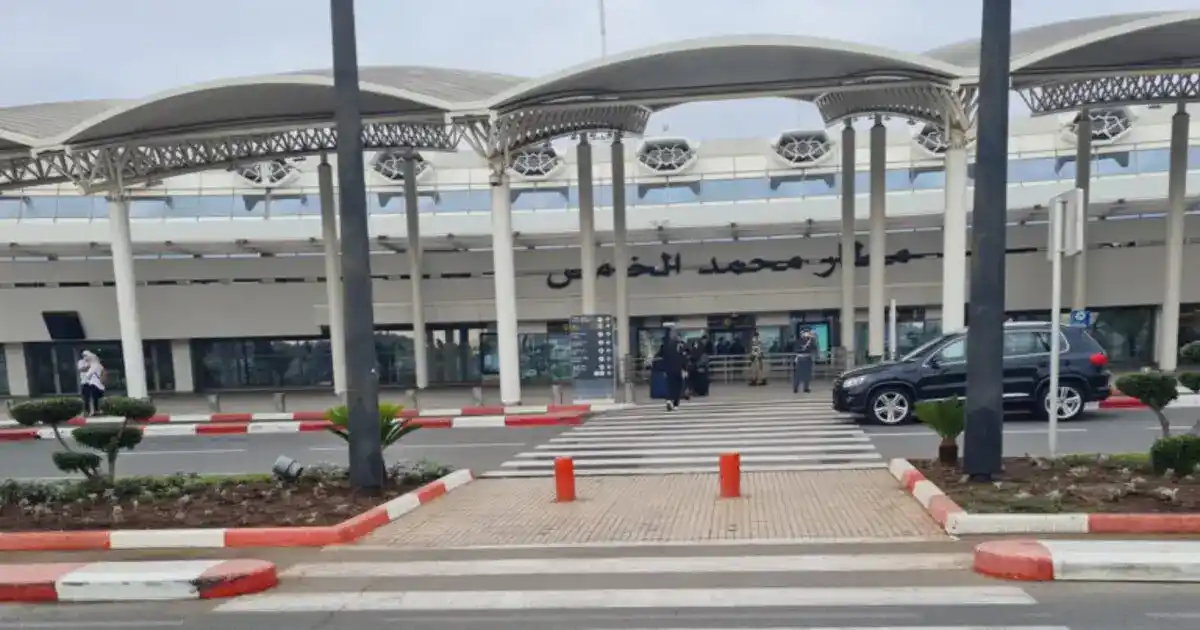
casablanca airport terminal

Mohammed V International Airport Terminal 1 arrivals area where car rental companies maintain their service desks

Understanding your options helps you plan whether to rent immediately upon arrival or wait until you’re settled in the city. The logistics matter because different rental pickup methods affect your total cost and convenience.

Train Service: Fast and Affordable

ONCF operates direct trains from the airport to Casa Voyageurs and Casa Port stations. Trains run every hour from 6am to 11pm, with the journey taking 35-45 minutes. A second-class ticket costs 43 dirhams while first-class runs 60 dirhams.

The train station connects directly to Terminal 1 through a covered walkway. If you’re heading straight to Rabat or Marrakech, the train offers excellent value. However, if your rental car is waiting at the airport, you’ll backtrack unnecessarily.

Taxis: Available Around the Clock

Official airport taxis operate 24/7 with fixed rates to major destinations. A taxi to downtown Casablanca costs 300-350 dirhams during the day and 400-450 dirhams at night. Grand taxis (shared vehicles) offer cheaper rates but wait until they fill six passengers.

For solo travelers or couples with lots of luggage, petit taxis provide more comfort. Make sure the driver uses the meter or agree on the price before departing. Some rental companies located off-site arrange taxi pickups as part of their meet-and-greet service.

Private Transfers: Comfort and Convenience

Pre-booked private transfers cost 400-600 dirhams depending on your destination and vehicle type. Companies like Morocco Travel Trip offer multilingual drivers who meet you at arrivals with a name board.

This option works well for families, late-night arrivals, or travelers who want zero stress after a long flight. However, you’re paying for convenience. If you’re renting a car anyway, the transfer becomes an unnecessary expense unless you plan to explore Casablanca first and pick up your rental later.

Where Car Rental Companies Operate at CMN

Car hire at Casablanca Airport comes in two formats: in-terminal desks and meet-and-greet services. Each has advantages depending on your priorities.
car rental desk casablanca

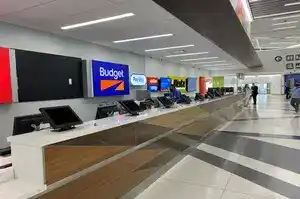
Terminal 1 hosts rental counters for major international brands including Avis, Budget, Europcar, Hertz, and Sixt. These desks sit in the arrivals hall, clearly signposted and easy to find. Local companies like First Car and Locationauto also maintain counters here.

The main advantage is immediacy. You walk off your flight, clear customs, and head straight to the desk. Cars park in the adjacent rental lot, accessible within minutes. No phone calls. No waiting for shuttles. Just paperwork and keys.

In-Terminal Rental Desks

These counters offer the convenience of face-to-face service right when you arrive. Staff speak multiple languages and can answer questions immediately. If issues arise with your reservation, managers are present to resolve them on the spot.

Read More: Meet & Greet Options →

Meet-and-Greet Services

Smaller companies and brokers often use meet-and-greet. After you land, you call a number provided in your confirmation email. A representative meets you in the arrivals hall, usually at Terminal 2 or near the taxi stand, holding a sign with your name.

They walk you to the parking area where your car waits. This process adds 10-20 minutes compared to in-terminal pickups, but rates from meet-and-greet providers typically run 20-40% cheaper.

The catch? Less immediate recourse if something goes wrong. In-terminal desks have managers on-site. Meet-and-greet services require phone calls to resolve disputes. For experienced travelers comfortable with Morocco, the savings justify the minor inconvenience. First-time visitors might prefer the security of a major brand’s physical desk.

Cost Comparison: Terminal vs. Meet-and-Greet

A small car from an in-terminal desk averages 250-350 dirhams per day in low season and 400-600 dirhams in summer. The same vehicle through a meet-and-greet broker costs 200-280 dirhams off-season and 320-450 dirhams in peak months.

Over a week, you save 500-1,000 dirhams. Deposits also differ. Major brands require 5,000-10,000 dirhams blocked on your credit card. Local companies ask for 3,000-6,000 dirhams, sometimes accepting debit cards.

Booking Your Rental: Timing and Pricing
car rental prices morocco
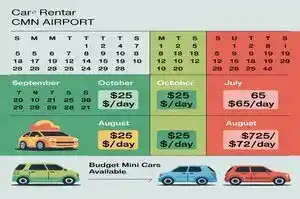
Seasonal price variations showing September as cheapest month

Car rental prices at Casablanca Airport fluctuate dramatically based on season, booking window, and vehicle type. Understanding these patterns saves money. Book at least two weeks ahead for the best rates. Last-minute airport rentals can cost double.

During peak travel periods (July-August, Christmas, Easter), reserve three months in advance. Moroccan domestic holidays like Eid also see price spikes and limited availability. If your dates are flexible, search for the cheapest month. September typically offers the lowest rates while August commands premium pricing.

When to Book Your Car

The booking window matters as much as the season. Rental companies use dynamic pricing algorithms that increase rates as availability decreases. A car that costs 200 dirhams daily when booked three months out might cost 400 dirhams if reserved three days before arrival.

Read More: Vehicle Types & Costs →

Cheapest Car Rental Options

Mini and small cars start around 5 euros (50 dirhams) per day when booked months ahead through comparison sites. These economy vehicles suit Casablanca city driving and coastal routes. Compact sedans run 8-12 euros daily. Mid-size sedans and small SUVs cost 15-25 euros.

Full-size SUVs and luxury vehicles range from 40-80 euros per day. The cheapest car rental at Casablanca Airport Mohammed V comes from booking economy models through aggregators like DiscoverCars or Rentyno during September-October.

Popular Vehicle Choices

Most travelers rent either compact cars (Renault Clio, Peugeot 208) or small SUVs (Dacia Duster, Renault Captur). Compacts work for coastal trips and city exploration. SUVs handle mountain roads better, especially in the Atlas or Anti-Atlas regions.

For desert trips requiring rough tracks, rent a proper 4×4 like a Toyota Land Cruiser. Standard cars struggle on unpaved roads leading to remote villages or seasonal river crossings.

Legal Requirements and Documents

Morocco enforces specific rules for foreign drivers. Missing the right documents leads to denied rentals or police fines during your trip.
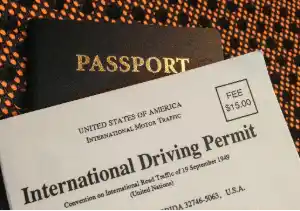
morocco driving documents

You need a valid driver’s license held for at least one year. Your home country license works if it’s in Latin alphabet (English, French, Spanish). Most European, American, Canadian, and Australian licenses fall into this category.

Rental companies at Casablanca Airport accept these without additional documents. However, during police checks on the road, officers sometimes request an International Driving Permit even though it’s not legally required for short stays.

Driver’s License Requirements

The one-year holding period is strictly enforced. Newly licensed drivers under 21 cannot rent cars in Morocco regardless of license validity. Bring both your physical license and passport to the rental counter. Digital copies on your phone won’t suffice for the initial rental agreement, though they work as backup during road trips.

Read More: International Driving Permit Details →

Do You Need an International Driving Permit?

Officially, tourists from countries with Latin-alphabet licenses don’t need an IDP for stays under 90 days. However, Morocco’s traffic police operate with some discretion. Officers in rural areas or those unfamiliar with foreign licenses may insist on an IDP.

Getting one costs $20 in the US (through AAA or AATA) or £5.50 in the UK (through Post Office). The IDP translates your license into Arabic and French, smoothing interactions with police. It’s not mandatory, but it’s cheap insurance against roadside hassles.

If your license uses non-Latin characters (Arabic, Cyrillic, Japanese, Chinese), you absolutely need an IDP. Without it, rental companies won’t hand over keys.MOROCCO CAR RENTAL EXPERTS

Some travelers from these countries report successfully renting with just their national license, but you’re risking denial at the counter after a long flight.

Age Restrictions

Minimum rental age is 21, though drivers under 25 pay a young driver surcharge of 50-100 dirhams per day. Some luxury vehicles and large SUVs require renters to be 25 or older. Maximum age limits rarely apply, but drivers over 70 should confirm acceptance when booking.

Bring your passport, credit card in the main driver’s name, and confirmation voucher to the rental desk. Booking confirmations on your phone work fine.

Understanding Insurance and Avoiding Deposit Traps

Insurance causes more confusion and unexpected costs than any other aspect of car rental in Morocco. Getting it right protects both your wallet and your trip.

car inspection morocco
Documenting vehicle condition prevents deposit disputes

All rental cars in Morocco include basic third-party liability insurance. This covers damage you cause to other people, vehicles, or property. It does not cover damage to your rental car. Collision Damage Waiver (CDW) reduces your liability for damage to the rental vehicle, but it comes with a large excess (deductible) of 5,000-15,000 dirhams depending on vehicle type.

Without additional coverage, you pay this amount out of pocket for any damage, even a small scratch. This is where most disputes arise between travelers and rental companies.

Mandatory Insurance in Morocco

The basic coverage included in every rental protects third parties only. If you hit another car, third-party liability pays for their repairs. If your rental car gets damaged, you’re responsible up to the excess amount specified in your contract.

Read More: Insurance Options & Strategies →

Full Coverage and Super CDW

Rental companies offer Super CDW or “full coverage” that reduces the excess to zero. This costs 150-350 dirhams per day, adding significant expense to longer rentals. Third-party insurance companies like Insurance4CarHire sell annual policies covering worldwide rentals for £40-80.

These policies reimburse you for excess charges after you pay the rental company. If you rent cars regularly, annual policies save money. For a single Morocco trip, compare the daily Super CDW rate against your potential excess exposure.

Credit Card Insurance Coverage

Some premium credit cards include rental car insurance as a benefit. American Express Platinum, Chase Sapphire Reserve, and similar cards cover collision damage when you decline the rental company’s CDW and pay with the card.

However, many cards exclude Morocco or require you to purchase the minimum CDW first. Read your card’s terms carefully. Don’t assume coverage without confirming Morocco is included.

If your card covers Morocco, you still need to pay the rental company’s deposit and excess if damage occurs, then file a claim with your card issuer for reimbursement.

Securing Your Deposit

Rental companies block 3,000-10,000 dirhams on your credit card as a security deposit. This hold can last 2-4 weeks after you return the car. Many travelers face disputes over deposit refunds. Rental companies claim damage you didn’t cause or inflate repair costs.

Protect yourself by thoroughly documenting the vehicle condition at pickup and return.

Vehicle Inspection Checklist

Before accepting the car, walk around it with the rental agent. Take photos and videos of every panel, wheel, mirror, and window. Zoom in on existing scratches, dents, and chips. Record the interior, dashboard, and any stains or damage.

Note the fuel level and mileage. Do this in the agent’s presence so they witness your documentation. At return, repeat the process before the agent inspects the car. This evidence prevents false damage claims.

Use a credit card, not a debit card, for the deposit. Credit card disputes are easier to contest, and the block doesn’t drain your actual bank balance.EXPERIENCED MOROCCO TRAVELERS

Debit card holds make those funds unavailable until release. Some travelers carry two credit cards—one for the deposit, one for daily expenses—to avoid maxing out a single card’s limit.

Choosing the Right Rental Company

best car rental casablanca

Not all car rental companies at Casablanca Airport offer the same experience. Reviews, transparency, and support matter as much as price. Based on traveler reviews and our experience with clients, Alamo consistently ranks well for transparent pricing and vehicle condition.

1 Service Car, a local company, offers competitive rates with good customer service. Cargini (a local brand) provides solid mid-range options. Among international chains, Europcar and Sixt maintain reliable fleets.

Top-Rated Companies at CMN

Budget and Hertz receive more complaints about aggressive upselling and deposit disputes. Avoid companies with patterns of negative reviews regarding surprise charges or difficult deposit refunds. Check recent reviews on TripAdvisor and Google before finalizing your booking.

Read More: Booking Platforms & Vehicle Selection →

Comparison Sites: Local vs. Global

Global aggregators like DiscoverCars and Booking.com compare both international and local companies. They offer buyer protection policies and customer support in English. Local Moroccan comparison sites like Rentyno focus on Moroccan companies with lower base prices but less robust customer service infrastructure.

For first-time visitors, global aggregators provide peace of mind. Experienced travelers comfortable with potential language barriers can save 15-30% using local platforms. Read the full terms before booking. Some cheap deals through brokers include hidden fees revealed only at pickup.

Selecting Your Vehicle Type

Your itinerary determines your vehicle needs. Casablanca city driving and coastal routes to El Jadida or Rabat suit compact cars. These vehicles navigate narrow medina streets and tight parking.

Plan to explore Morocco’s mountain regions? A small SUV like a Dacia Duster handles unpaved roads and steep passes better than a sedan. The Atlas Mountains, Todra Gorge, and roads to Ait Benhaddou require higher clearance.

Desert trips into the Sahara need serious 4×4 vehicles. Toyota Land Cruisers and similar models have the ground clearance and power for sand tracks and seasonal wadis (dry riverbeds). Don’t take a 2WD car off-road. You’ll damage the vehicle, void your insurance, and potentially get stranded.

Companies that specialize in car rental in Morocco can advise on vehicle appropriateness for your planned routes.

Driving in Morocco: What You Need to Know

Morocco’s roads range from excellent toll highways to rutted mountain tracks. Knowing what to expect keeps you safe and stress-free.
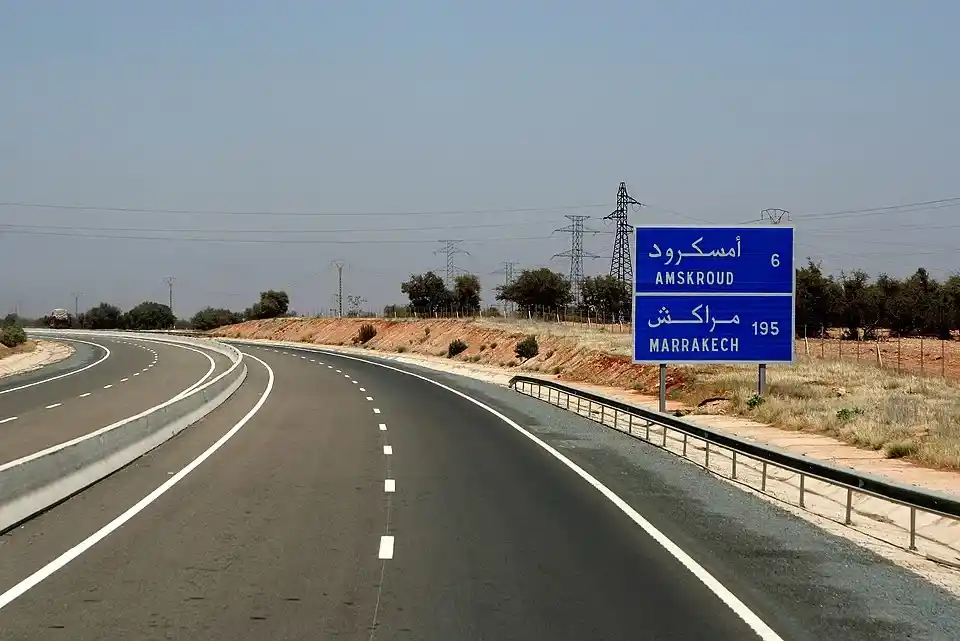
morocco highway driving

Well-maintained A7 autoroute connecting Casablanca to Marrakech with clear lane markings and signage

Morocco uses right-hand drive. Speed limits are 60 km/h in cities, 100 km/h on rural roads, and 120 km/h on autoroutes (highways). Police enforce these limits with radars and frequent checkpoints.

Traffic Laws and Speed Limits

The legal blood alcohol limit is 0.02%, essentially zero tolerance. Do not drink and drive. Seat belts are mandatory for all passengers. Using a mobile phone while driving is illegal without hands-free equipment. Police can fine you on the spot.

Read More: Police, Fines & Urban Navigation →

Police Checkpoints and Fines

You’ll encounter police checkpoints, especially on highways and approaching cities. Officers check licenses, registration, and insurance documents. They sometimes use speed traps to catch violators.

Fines for speeding range from 500-1,000 dirhams. You must pay immediately in cash. Keep at least 1,000 dirhams on hand for this possibility. Officers issue receipts for paid fines.

Never offer bribes. While corruption exists, most police conduct legitimate enforcement. If you believe a fine is unjust, ask for the officer’s badge number and file a complaint later. Arguing rarely helps.

Navigating Casablanca’s Urban Traffic

Casablanca’s traffic operates on organized chaos. Roundabouts dominate major intersections. Drivers already in the circle have priority, but expect others to push in aggressively. Leave extra space.

Motorcycles and scooters weave through lanes unpredictably. Lane markings serve as suggestions rather than rules. Parking in the city center requires vigilance. Informal parking attendants wearing fluorescent vests guard spaces and expect 5-10 dirhams when you leave.

They help prevent break-ins and ticket your car if needed. Use guarded parking lots for overnight parking or when visiting the medina.

Using GPS and Navigation Apps

Google Maps works well in Morocco for major routes and cities. Download offline maps before leaving WiFi. Cell coverage is good along main roads but spotty in mountains. MAPS.ME provides detailed offline maps popular with overlanders.

Rental companies charge 50-80 dirhams daily for GPS units. Your phone saves that cost if you have a car mount. Major highways (A1, A3, A7) are well-signposted in Arabic and French. Secondary roads often lack signs. GPS becomes essential on rural routes.

Toll Roads and Autoroutes

Morocco’s toll highways connect major cities efficiently. The A3 runs from Casablanca to Rabat (90km). The A7 stretches from Casablanca to Marrakech (240km). Tolls cost 20-50 dirhams depending on distance.

Pay with cash or card at toll booths. Keep small bills handy since change can be slow. These highways are well-maintained and patrolled. Average speeds are higher than in Europe or North America. Drive defensively even on controlled-access roads.

Popular Road Trip Itineraries From Casablanca

Your rental car opens access to Morocco’s diverse regions. Here are proven routes starting from CMN.
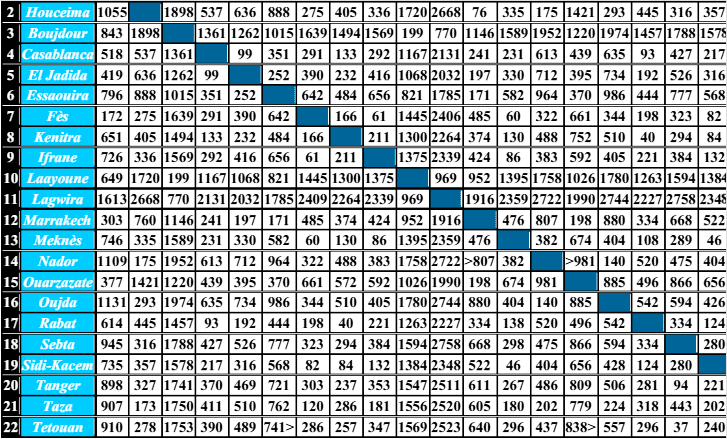
morocco road trip map

Rabat sits 90 kilometers north via the A3 autoroute. Drive time is 1 hour 15 minutes. Morocco’s capital offers the Hassan Tower, Oudayas Kasbah, and less touristy medina than Marrakech.

Short Excursions Under Two Hours

El Jadida, a Portuguese coastal town 100 kilometers south, takes 1 hour 30 minutes. Its fortified old town and beach make a pleasant day trip. Both destinations work for travelers with limited time before continuing to other regions.

You can learn more about planning road trips in Morocco on our logistics guide.

Read More: Major Destination Routes →

Marrakech: 3 Hours South

The A7 autoroute connects Casablanca to Marrakech in just under 3 hours (240 kilometers). This popular route runs through agricultural plains before reaching the red city. Marrakech rewards 2-3 days minimum.

Use it as a base to explore the Atlas Mountains, Essaouira coast, or Sahara Desert. Many travelers fly into Casablanca, drive straight to Marrakech, and explore from there.

Fes: 3.5 Hours Northeast

Fes lies 290 kilometers from Casablanca via the A2 and A3. Drive time is 3 hours 30 minutes. Morocco’s oldest imperial city features the world’s largest car-free urban area and medieval medina.

The route passes through Meknes, another imperial city worth a stop. Fes makes an excellent addition to a northern circuit including Chefchaouen and Tangier.

Chefchaouen: 4.5 Hours North

The famous blue city requires 4 hours 30 minutes from Casablanca (360 kilometers). Take the A1 toward Tangier, then turn east on the N2 past Tetouan. The final hour winds through Rif Mountain roads.

Chefchaouen’s azure-painted medina justifies the drive. Combine it with Tangier (2 hours from Chefchaouen) for a northern loop.

Tangier: 3.5 Hours North

Morocco’s gateway to Europe sits 340 kilometers north via the A1. Drive time is 3 hours 15 minutes. Tangier offers beaches, a renovated medina, and the Caves of Hercules nearby.

It serves as a starting point for travelers arriving by ferry from Spain or ending Morocco trips before flying out from Tangier’s Ibn Battouta Airport.

Returning Your Rental Car at CMN

The return process goes smoothly if you follow a few key steps. Fill the tank at the last gas station before the airport. Underfilled tanks incur refueling charges of 15-20 dirhams per liter on top of the fuel cost.

Clean out trash and personal belongings. Remove toll receipts and parking tickets from the windshield. Allow extra time for the return inspection. Arrive at the airport 3 hours before international flights.

Drive to the rental return area signposted in the airport approach. An agent inspects the car for damage. This is where your pickup photos become crucial. If the agent claims new damage, show your documentation proving it existed at pickup.

Companies sometimes try charging for pre-existing issues, especially with foreign customers who have already checked in for flights. Get a written statement that the car was returned in acceptable condition before leaving the lot.

Request a zero-balance receipt showing no charges beyond your agreed rental. Without this, deposits can be mysteriously reduced weeks later for undocumented “damages.” Stay polite but firm. Take photos of the returned car showing its condition and the final odometer reading.

Rental car returns at CMN typically process in 10-15 minutes. Budget extra time for potential disputes. Once cleared, shuttle buses or the walkway connect you back to the terminal. International passengers can proceed to check-in. Your rental experience ends here, but your Morocco memories last much longer.

Making the Most of Your Morocco Road Trip

Renting a car at Casablanca Airport gives you freedom to explore Morocco at your own pace. From the Atlantic coast to the Atlas peaks, from imperial cities to Saharan dunes, the roads reveal Morocco’s diversity.

The rental process requires attention to detail—insurance, deposits, documentation—but thousands of travelers successfully navigate it every year. Book early for the best rates. Choose reputable companies with clear terms. Document everything with photos.

Drive defensively and respect local traffic norms. Keep cash for tolls and potential fines. With preparation, your car rental experience becomes the gateway to an unforgettable Moroccan adventure. The medinas, mountains, and deserts await. Your rental car is simply the vehicle that takes you there.