So you’re planning a road trip through Morocco? Honestly, it’s one of the best ways to explore this incredible country! We spent months driving through Morocco, from the chaotic streets of Marrakech to the serene desert roads, and I can tell you it’s an adventure like no other.
But let’s be real… driving in Morocco can feel a bit overwhelming at first. The traffic rules are different, the roads can be challenging, and you’ll definitely encounter situations you’ve never seen before. That’s exactly why I’ve put together this complete guide.
Whether you’re planning to rent a car for a week or drive across the entire country, this guide covers everything you need to know. From understanding Morocco’s unique driving rules to navigating mountain passes and desert tracks, we’ve got you covered with practical advice based on our own experiences on the road.
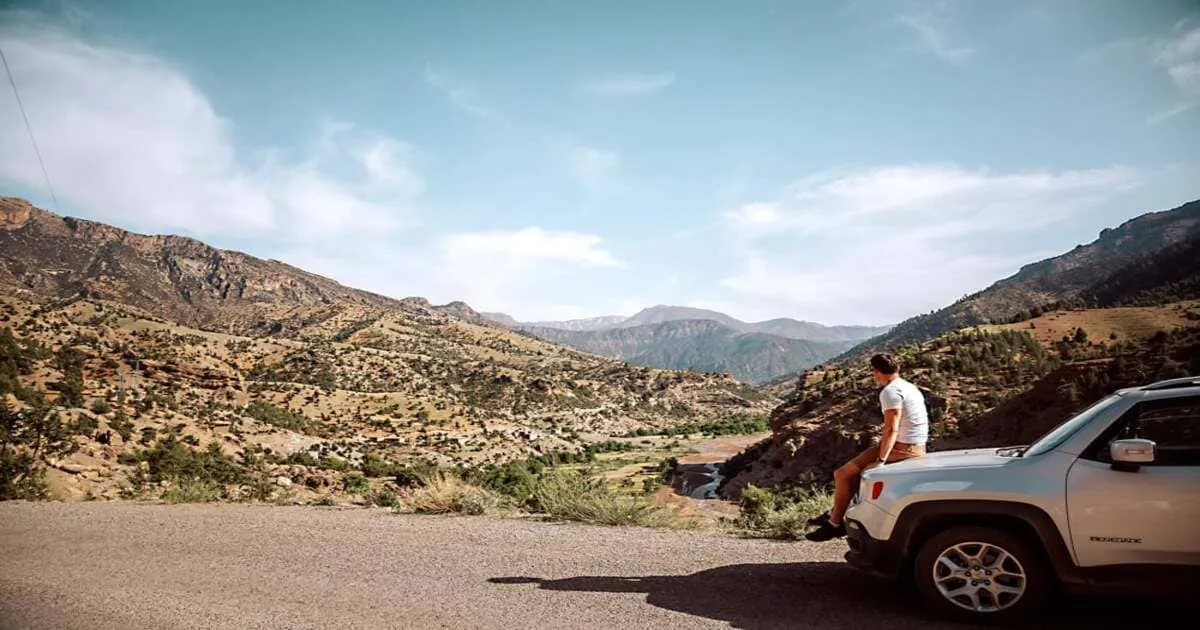
Driving through the stunning Atlas Mountains — one of Morocco’s most scenic routes
🚗 Getting Started — Morocco Driving Rules & Requirements
Before you even think about getting behind the wheel in Morocco, there are a few essential things you need to sort out. And trust me, getting these right from the start will save you a lot of headaches down the road!
International Driving Permit — Do You Really Need One?
Yes. You really do.
Morocco requires all foreign drivers to have an International Driving Permit (IDP) alongside their regular driver’s license. This isn’t optional, and the police can (and do) check for it at checkpoints. We were stopped three times during our travels, and each time they asked to see our IDP.
Getting an IDP is actually super easy — you can apply through your local automobile association before you leave home. It typically costs around $20-30 USD and takes just a few days to process. Don’t skip this step! Some rental companies won’t even let you rent a car without it.
Understanding Morocco’s Traffic Laws
Moroccan traffic laws are pretty straightforward, but there are a few quirks you should know about:
- Drive on the right side of the road (just like most of Europe and the US)
- Speed limits vary: 40-60 km/h in cities, 100 km/h on rural roads, 120 km/h on highways
- Seat belts are mandatory for all passengers — this is strictly enforced
- Mobile phones must be hands-free (though honestly, you’ll see locals ignoring this… don’t copy them!)
- Alcohol limit is ZERO — Morocco has a zero-tolerance policy for drinking and driving
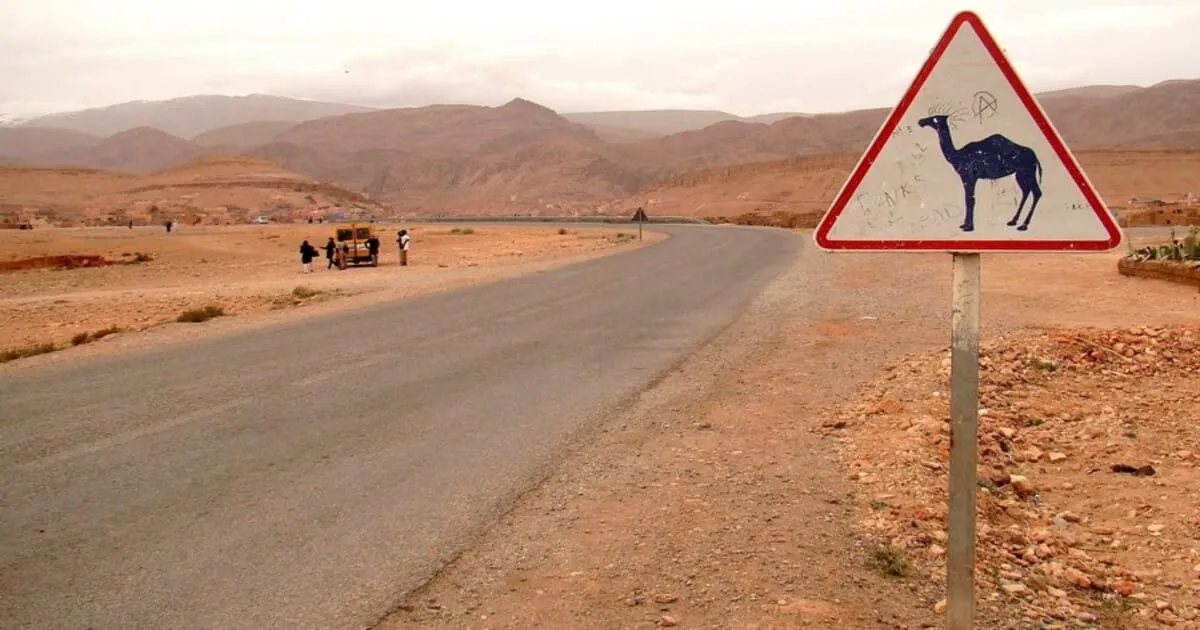
Common road signs you’ll encounter while driving in Morocco
What About Car Insurance?
This is crucial. Car insurance is mandatory in Morocco, but here’s the good news — it’s usually included in your rental agreement. However, you need to check what’s covered:
- CDW (Collision Damage Waiver) — basic coverage, but often has a high excess
- Theft protection — essential in cities
- Third-party liability — legally required
- Personal accident insurance — optional but recommended
And here’s something we learned the hard way… always photograph the car before you drive off. Document every scratch, dent, and issue. Rental companies can be quite creative about claiming damage that was already there!
⛽ Gas Stations Guide — Finding Fuel Across Morocco
One of the questions we got asked most was about finding gas stations in Morocco. And I’ll be honest… it’s not always as straightforward as you’d think!
Gas Station Availability
In major cities like Marrakech, Fes, and Casablanca, gas stations are everywhere. You’ll see familiar brands like Afriquia, Shell, Total, and Petrom. No worries there.
But once you head into rural areas or the desert? That’s a different story. We made the mistake once of not filling up before heading toward the Sahara… let’s just say it was a stressful few hours! Always fill up when you see a station in remote areas. Seriously, don’t wait until your tank is half empty.
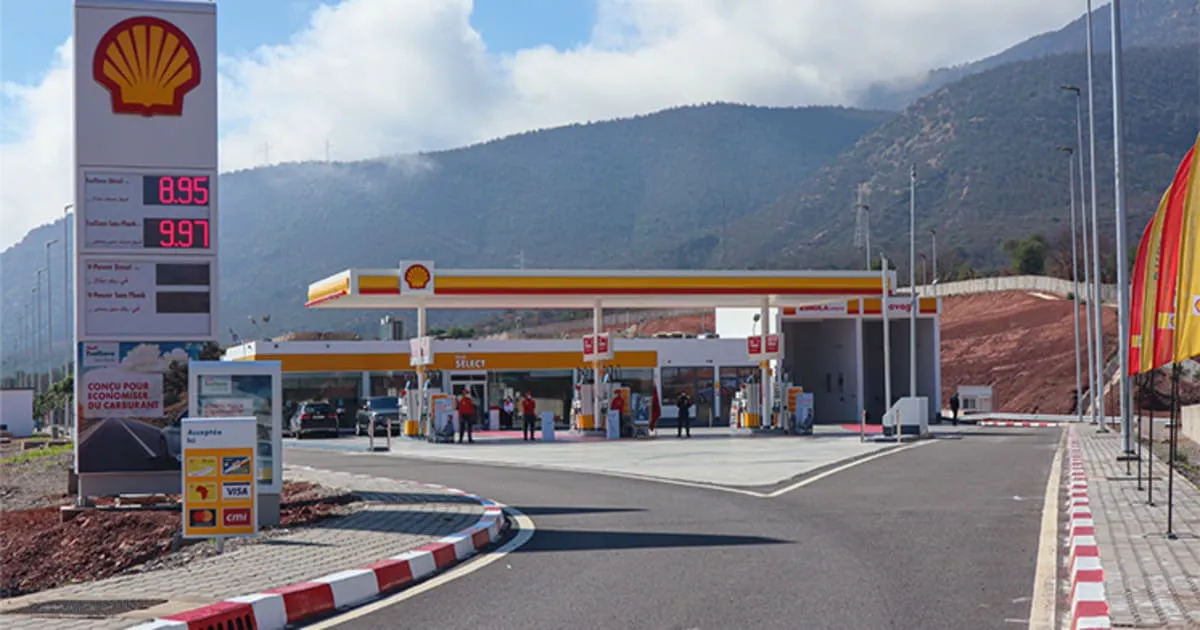
A typical gas station on the road to the Sahara — fill up when you see one!
Fuel Prices in Morocco (2026)
Fuel prices in Morocco are government-regulated and pretty reasonable compared to Europe. As of 2026, here’s what you’re looking at:
| Fuel Type |
Price per Liter |
Notes |
| Gasoline (Essence) |
14-15 MAD
($1.40-$1.50 USD) |
Most common, available everywhere |
| Diesel (Gasoil) |
12-13 MAD
($1.20-$1.30 USD) |
Cheaper option, widely available |
| Premium Gasoline |
16-17 MAD
($1.60-$1.70 USD) |
Less common in rural areas |
Pro tip: Always carry cash for gas stations. While bigger stations in cities might accept cards, many rural stations are cash-only. We learned this the hard way when our card was declined at a remote station in the Atlas Mountains!
🅿️ Parking in Marrakech — Tips & Tricks
Okay, so parking in Marrakech deserves its own section because it’s… well, it’s an experience! Marrakech parking can be chaotic, confusing, and sometimes downright frustrating. But once you understand the system, it becomes much easier.
The “Parking Guardian” System
Here’s something you need to know right away — Morocco has unofficial parking attendants everywhere. These are guys (usually wearing reflective vests) who will wave you into a parking spot and watch your car while you’re gone.
This isn’t a scam! It’s actually a legitimate informal system. When you return to your car, you give them a tip — usually 5-10 MAD depending on how long you parked. Think of it as parking insurance… they genuinely do watch your car and help prevent theft or damage.
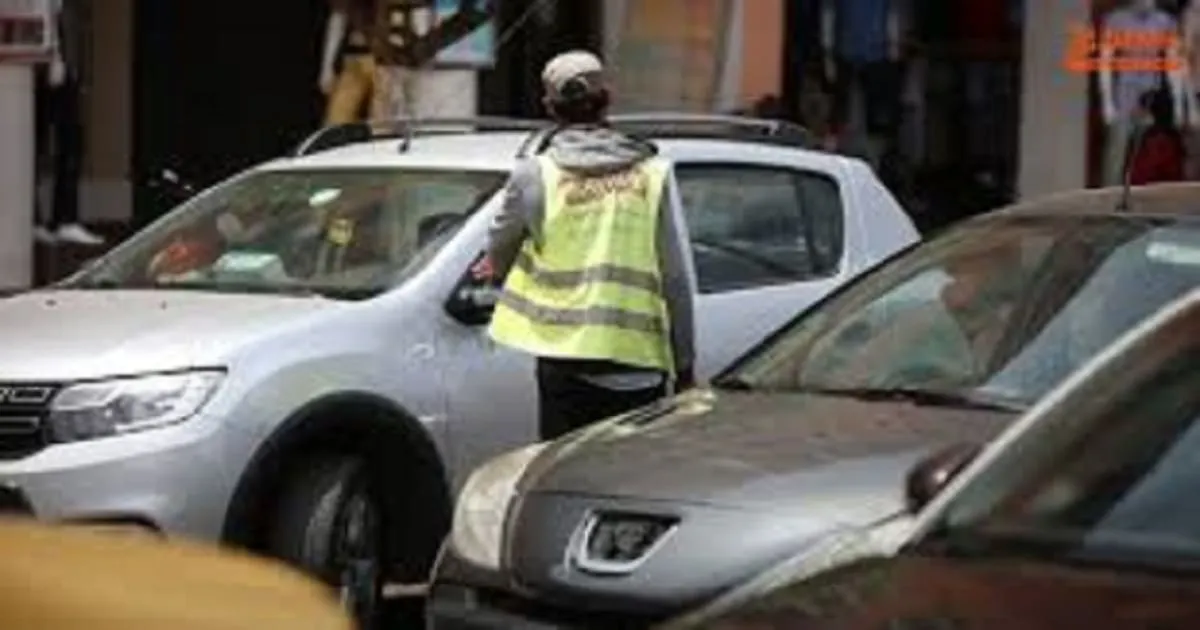
Parking guardians are everywhere in Marrakech — work with them, not against them
Read More: Parking Guides for Major Cities →
Best Places to Park in Marrakech
When it comes to parking near the Marrakech Medina, you have a few options:
- Parking Jemaa el-Fnaa — Right by the main square, about 20 MAD per hour. Super convenient but fills up fast!
- Parking Bab Doukkala — Just outside the northern medina walls, 10 MAD per hour. We loved this one.
- Parking Moulay Hassan — Near the Mellah (Jewish Quarter), usually less crowded
- Parking Koutoubia — Close to the famous mosque, decent rates and relatively safe
Our advice? Arrive early in the morning if you want a spot near the medina. After 10am, good luck finding anything close! And whatever you do, don’t leave valuables visible in your car.
Blue Zone Parking
You’ll notice blue-painted parking zones in Marrakech and other cities. These are paid parking areas where you need to buy a ticket from a meter or attendant. Rates are reasonable — usually 5 MAD for the first hour, then 2-3 MAD per additional hour.
But here’s the thing… enforcement can be inconsistent. We once got a ticket for overstaying (120 MAD fine), and another time we forgot to pay and nothing happened. Better to just pay though — the fine isn’t worth the hassle!
🏛️ Parking in Fes — Navigating the Ancient Medina
If you thought Marrakech parking was challenging, wait until you try Fes! The medina in Fes is actually car-free — yes, you literally cannot drive into it. Which means you need a solid parking strategy.
Main Parking Areas Near Fes Medina
There are several official parking lots around the Fes medina walls:
- Parking Bab Boujloud — The most popular option, right at the Blue Gate entrance. 10 MAD per hour or 50 MAD for full day
- Parking Rcif — Near the main bus station, secured parking at 40 MAD per day
- Parking Bab Jdid — Less crowded option on the southwestern side, 30-40 MAD per day
- Hotel parking — Many riads offer parking deals, usually 50-70 MAD per night
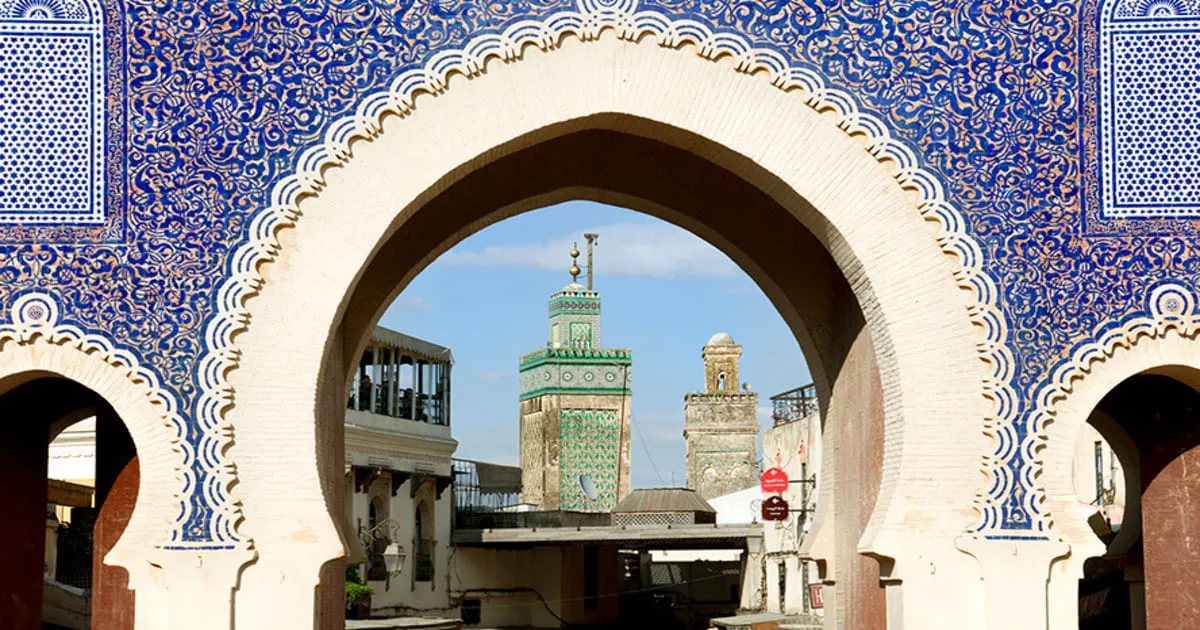
Parking Bab Boujloud — your best bet for exploring the Fes medina
We stayed at a riad that offered parking, and it was absolutely worth the extra cost. Not having to worry about our car for three days was such a relief! Plus, many riads will arrange to have someone meet you at a parking area and help carry your bags through the medina.
Overnight Parking Security
Here’s something important — don’t leave your car on the street overnight in Fes unless you’re okay with potential scratches or worse. The medina area can get crowded, and unattended cars are targets.
Always use secured parking lots with gates or barriers. Yes, they cost more (50-80 MAD per night), but your car will actually be watched. We met travelers who had windows smashed for a bag left visible on the back seat. Don’t let that be you!
🏜️ Special Driving Conditions — Desert & Mountains
Now we’re getting to the fun stuff! Driving through Morocco’s diverse landscapes is honestly one of the highlights of visiting the country. But different terrains require different approaches.
Desert Driving Tips
Driving to the Sahara Desert was one of our most memorable experiences in Morocco. But desert driving comes with unique challenges:
- Vehicle choice matters — A 4×4 isn’t always necessary, but it definitely helps. We managed with a regular car on paved roads, but couldn’t venture onto sand dunes
- Heat management — Check your car’s cooling system before heading to the desert. We saw several broken-down cars with overheated engines
- Sand storms — If you encounter a sand storm, pull over and wait it out. Visibility can drop to zero in seconds
- Fuel planning — Between Erfoud and Merzouga, gas stations are scarce. Fill up early and often!
- Emergency supplies — Always carry extra water (for you AND your car), a flashlight, and a blanket
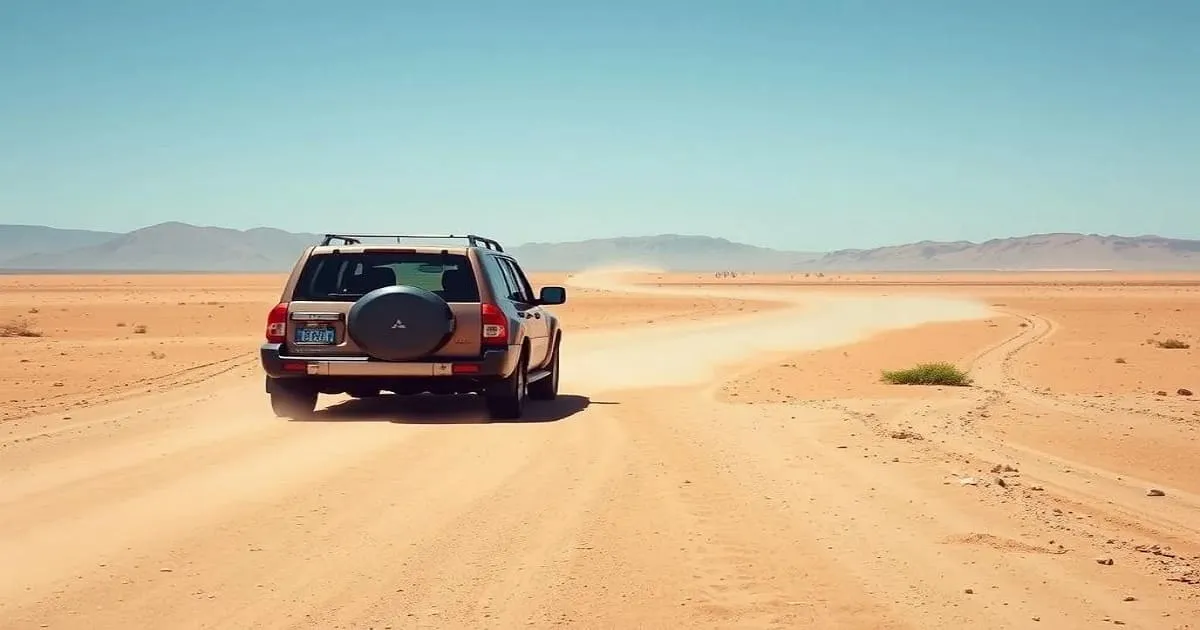
The road to Merzouga — stunning views but be prepared for desert conditions
And here’s something we didn’t expect… desert roads can be surprisingly good! The main routes to popular desert destinations like Merzouga and M’Hamid are well-maintained. It’s the small side roads where things get tricky.
Mountain Pass Driving
The Atlas Mountains are absolutely spectacular, but those mountain passes? They’ll test your driving skills! We drove the famous Tizi n’Tichka pass between Marrakech and Ouarzazate, and wow… it’s not for the faint of heart.
Here’s what you need to know about mountain driving in Morocco:
- Hairpin turns — Dozens of tight switchbacks with sheer drops. Take them slowly and honk before blind corners
- Altitude sickness — Some passes reach over 2,200 meters. Take breaks if you feel dizzy or nauseous
- Weather changes — Conditions can shift rapidly. We drove through sunshine, rain, and fog all in one day
- Limited guardrails — Not all mountain roads have barriers. Stay focused and keep right
- Slow trucks — You’ll get stuck behind big trucks going 20 km/h. Be patient and only overtake when safe
- Brakes — Use engine braking on descents to prevent brake fade. Downshift instead of riding the brakes
The views are absolutely worth it though! Just give yourself extra time and don’t drive at night. Those mountain roads are scary enough in daylight.
Winter Driving Conditions
Most people don’t realize that Morocco gets snow! The Atlas Mountains can be covered in snow from December to March, and some passes even close temporarily.
If you’re driving in winter:
- Check road conditions before leaving — some passes require chains
- Rental cars rarely come with winter equipment, so ask specifically if you’re traveling in winter months
- The Tizi n’Tichka pass can be particularly dangerous with ice
- Consider hiring a driver for winter mountain crossings if you’re not confident
🚦 Navigating Moroccan Traffic — What to Expect
Okay, let’s talk about the elephant in the room… Moroccan traffic can be absolutely chaotic! Especially in cities like Marrakech, Casablanca, and Tangier. But once you understand the unwritten rules, it gets easier.
The Reality of City Driving
Here’s what nobody tells you before you drive in Morocco:
- Lane markings are suggestions — Seriously, people will create extra lanes out of thin air
- Motorbikes are everywhere — They weave through traffic, appear out of nowhere, and don’t always follow rules
- Roundabouts are free-for-alls — Forget what you learned in driving school. It’s survival of the fittest
- Pedestrians cross anywhere — Even on highways! Always be alert
- Donkey carts still exist — Yes, you’ll share the road with donkeys in some areas
- Horn usage is constant — It’s not aggressive, it’s communication. Get used to it!
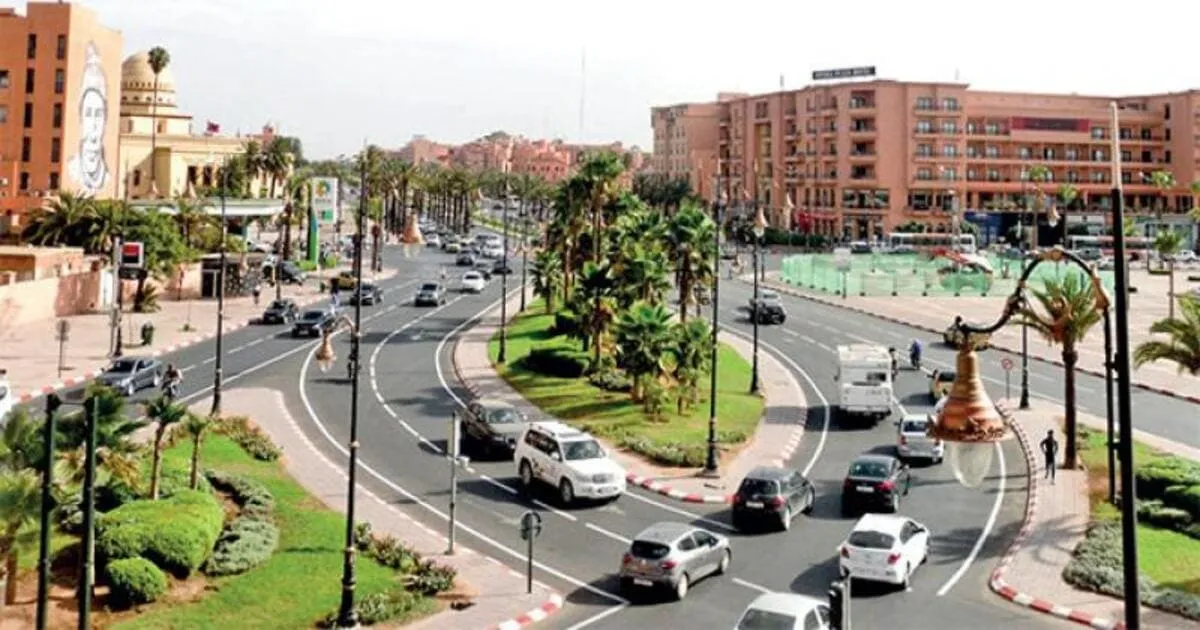
Typical traffic scene in Marrakech — chaotic but manageable once you adapt
We were terrified on our first day driving in Marrakech. My partner actually said “I can’t do this” at one point! But by day three, we were navigating like locals. You adapt faster than you think.
Read More: City Driving & Traffic Navigation →
Dealing with Aggressive Drivers
Some drivers in Morocco can be… let’s say “enthusiastic.” They’ll tailgate, flash their lights, and overtake on blind corners. Don’t let them pressure you!
Our strategy was simple — drive defensively and let aggressive drivers pass. Your safety is more important than proving a point. Pull over if needed and let them go ahead. Trust me, the stress isn’t worth it.
Police Checkpoints
You will encounter police checkpoints — it’s just part of driving in Morocco. Don’t panic! They’re usually routine.
Here’s what to do at checkpoints:
- Slow down gradually and come to a complete stop
- Turn off music and remove sunglasses
- Have your documents ready — license, IDP, rental papers, passport
- Be polite and respectful (speaking a bit of French helps!)
- If they wave you through, say “Shukran” (thank you) and move on
We went through probably 20+ checkpoints during our Morocco road trip, and only twice did they actually check our documents. Usually they just wave tourists through. Never try to bribe a police officer — it’s illegal and can get you in serious trouble.
💰 Rental Car Guide — Booking & Prices
Renting a car in Morocco is actually pretty straightforward, but there are some things you should know to get the best deal and avoid common pitfalls.
Where to Rent
You have several options for Morocco car rental:
- International companies (Hertz, Europcar, Budget) — More expensive but reliable, located at airports
- Local rental companies — Cheaper rates but check reviews carefully. Some are excellent, others sketchy
- Online aggregators (Rentalcars.com, Kayak) — Good for comparing prices and reading reviews
We used a local company recommended by our riad and saved about 40% compared to international rates. But we thoroughly researched reviews first! Look for companies with recent positive feedback and clear insurance policies.
Rental Prices (2026)
Here’s what you can expect to pay for car rental in Morocco:
| Vehicle Type |
Daily Rate |
Weekly Rate |
Best For |
Economy Car
Dacia Logan, Peugeot 208 |
250-400 MAD
($25-40 USD) |
1,500-2,500 MAD
($150-250 USD) |
City driving, paved roads |
Compact SUV
Dacia Duster |
400-600 MAD
($40-60 USD) |
2,500-3,800 MAD
($250-380 USD) |
Mixed terrain, families |
4×4 SUV
Toyota Land Cruiser |
800-1,200 MAD
($80-120 USD) |
5,000-7,500 MAD
($500-750 USD) |
Desert, mountains, off-road |
Large Van
Mercedes Vito |
700-1,000 MAD
($70-100 USD) |
4,500-6,500 MAD
($450-650 USD) |
Big groups, lots of luggage |
Prices are usually lower if you book for a week or more. We got a great deal on a two-week rental with a local company — much cheaper per day than booking day-by-day.
Hidden Costs to Watch Out For
This is important! Many travelers get surprised by extra costs when renting in Morocco. Here are the sneaky charges to watch for:
- Fuel policy — Some companies make you buy a full tank upfront (usually overpriced). Try to get “full to full” rental
- Additional driver fee — Can be 50-100 MAD per day. Some local companies waive this
- GPS rental — Up to 100 MAD per day! Just use Google Maps offline instead
- Child seat rental — 50-80 MAD per day. Consider bringing your own if traveling with kids
- Cross-border fees — If you plan to drive to Spain or Mauritania, expect hefty additional charges
- Young driver surcharge — Drivers under 25 often pay 100-200 MAD extra per day
We almost got caught with the GPS rental trap! They wanted 700 MAD for a week when Google Maps worked perfectly for free. Download offline maps before you go and save that money for better things (like amazing Moroccan food!).
Automatic vs Manual Transmission
Here’s something to consider — automatic cars are less common and more expensive in Morocco. You’ll pay a 30-50% premium for an automatic transmission.
If you can drive manual, go for it. You’ll have way more vehicle options and better prices. But if you’re not comfortable with manual (especially for those mountain passes!), book automatic early as they rent out quickly.
📋 Essential Documents & Insurance Coverage
Let’s get into the nitty-gritty of what documents you actually need and how to make sure you’re properly insured. This stuff might seem boring, but trust me, you don’t want to learn about it after you have an accident!
Required Documents for Driving in Morocco
Keep these documents with you AT ALL TIMES when driving:
- Valid driver’s license from your home country
- International Driving Permit (IDP) — we’ve mentioned this, but it’s really important!
- Passport — or at least a photocopy
- Car rental agreement — keep it in the glove box
- Insurance certificate (Carte Verte/Green Card) — comes with rental
- Vehicle registration — should be in the car already
We kept all these documents in a plastic folder in the glove box. Made checkpoint stops much faster! And seriously, photograph everything. We had copies on our phones just in case.
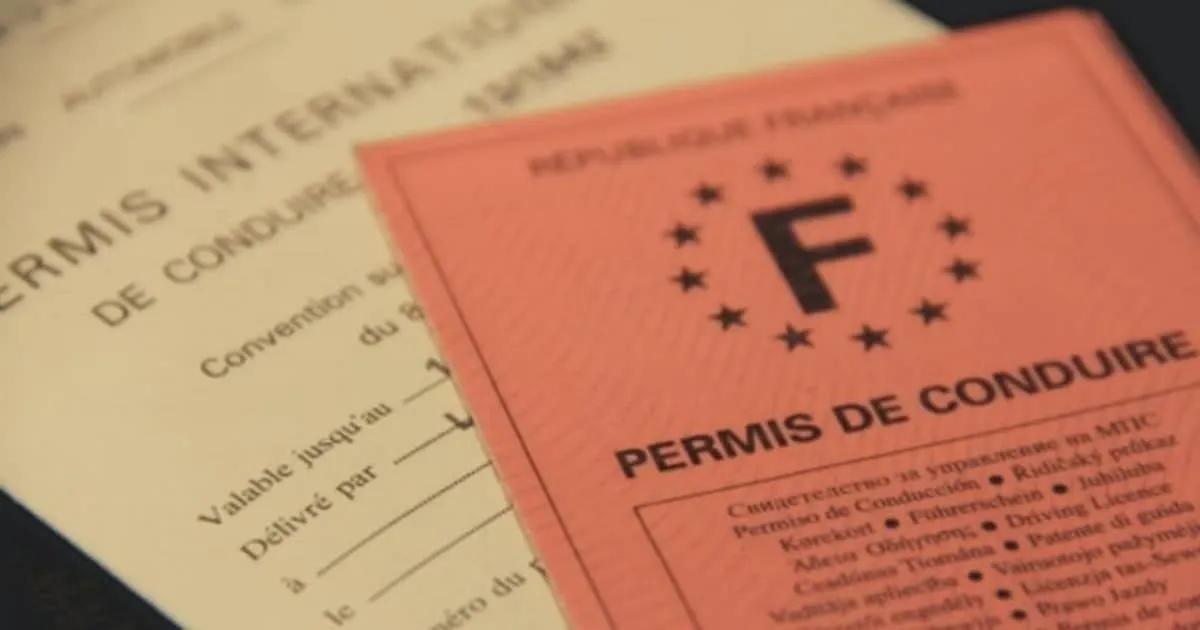
Keep all your documents organized and accessible — you’ll need them at checkpoints
Read More: Insurance & Documentation Details →
Understanding Insurance Options
Insurance can be confusing, especially with all the acronyms! Here’s a breakdown of what you might encounter:
- CDW (Collision Damage Waiver) — Basic coverage included in most rentals, but watch the excess/deductible amount
- SCDW (Super Collision Damage Waiver) — Reduces your excess to zero or near-zero. Worth considering!
- Third Party Liability — Legally required, covers damage to other vehicles/property
- Personal Accident Insurance — Covers medical costs for you and passengers
- Theft Protection (TP) — Essential in cities, reduces liability if car is stolen
- Roadside Assistance — Some companies include this, others charge extra
Our advice? Get the SCDW if you can afford it. Yes, it adds 150-200 MAD per day, but the peace of mind is worth it. We scratched our rental on a narrow medina street (a local guy backed into us), and because we had full coverage, we just documented it and moved on. No stress, no huge bill.
What Insurance Doesn’t Cover
This is the stuff they don’t advertise! Even with full insurance, you might not be covered for:
- Damage to tires, wheels, or undercarriage
- Broken windshield or windows (often separate coverage)
- Damage from off-roading (even with a 4×4!)
- Interior damage or missing items
- Driving under the influence (obviously!)
- Allowing unauthorized drivers to use the vehicle
We didn’t know about the tire exclusion and got a flat in the Atlas Mountains. Luckily it was just a puncture that could be repaired (50 MAD at a local shop), but if we’d needed a new tire, it would’ve been on us!
🔧 Common Driving Challenges & Solutions
Alright, let’s talk about the stuff that actually happens when you’re driving in Morocco. These are real situations we encountered and how we handled them.
Dealing with Unofficial “Guides”
This happens constantly in Morocco. Someone will approach your car offering to “help” you find parking, give directions, or guide you to your destination. Sometimes they’re genuinely helpful, sometimes they’re looking for money.
Our approach:
- If you don’t want help, say “La, shukran” (No, thank you) firmly and keep walking
- If you accept help, agree on a price BEFORE they provide the service
- 10-20 MAD is fair for simple directions or parking assistance
- Don’t let them pressure you into paying more
- If they become aggressive, walk away and find a police officer
We made the mistake once of accepting “help” without clarifying the cost. The guy then demanded 200 MAD for walking us 50 meters! We gave him 20 MAD and walked away. Don’t let anyone guilt-trip you.
Getting Lost Without GPS
Google Maps works pretty well in Morocco, but it’s not perfect. We got lost several times in the medinas and once on a desert road where GPS couldn’t get signal.
Tips for when GPS fails:
- Download offline maps for your entire route before starting
- Keep a physical map as backup (we bought one for 30 MAD at a bookstore)
- Don’t be afraid to ask locals for directions — most are happy to help
- Look for landmarks rather than street names (medinas don’t have street signs!)
- Take screenshots of your route before you lose signal
And here’s something cool — many Moroccans speak some English or French, so communication is usually possible. We used a combination of broken French, English, and hand gestures to get by!
Handling Breakdowns
We had two minor breakdowns during our Morocco road trip — a flat tire and an overheated engine. Here’s what to do if it happens to you:
- Pull over safely — Get as far off the road as possible
- Turn on hazard lights — Make yourself visible
- Call your rental company — They should provide roadside assistance
- If no cell service — Flag down another driver (Moroccans are usually helpful!)
- Don’t accept “help” that costs money without calling your rental company first
For our flat tire, a local mechanic appeared within 10 minutes (we were on a main road). He changed the tire for 50 MAD, which seemed fair. For the overheating, we just needed to wait for the engine to cool and add water. Always carry extra water!
💡 Money-Saving Tips for Driving in Morocco
We’ve learned quite a few tricks for keeping costs down while road-tripping through Morocco. Some of these saved us hundreds of dollars!
Fuel-Saving Strategies
- Drive during cooler hours — Less AC needed = less fuel consumption
- Maintain steady speeds — Avoid constant acceleration/braking
- Fill up in cities — Rural gas stations sometimes charge slightly more
- Use “Gasoil” (diesel) if available — It’s cheaper than gasoline
- Avoid idling — Turn off your engine if stopped for more than a minute
We also discovered that some gas stations give small discounts for cash payment. Not all, but worth asking!
Read More: Money-Saving Tips & Best Routes →
Avoiding Parking Fees
Parking can add up, especially in cities where you’re paying 50-100 MAD per day. Here’s how we minimized costs:
- Stay at accommodations with free parking — Many riads outside medinas offer this
- Park at the edge of the medina instead of right at the entrance — Often cheaper or free
- Use residential streets (but always tip the parking guardian 5-10 MAD)
- Avoid tourist-area parking lots — They charge premium rates
- Consider taxis for medina visits — Sometimes cheaper than parking + walking
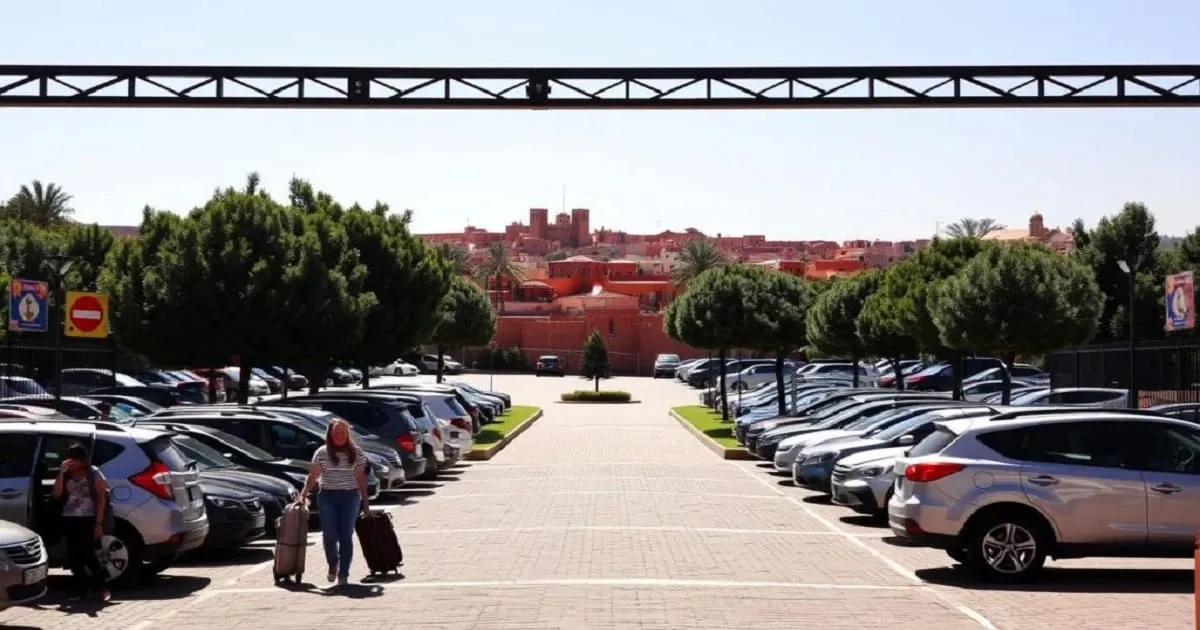
Finding free or cheap parking spots — often just outside the tourist zones
Toll Roads and Highway Costs
Morocco has excellent autoroute (highway) system, but tolls can add up. Here’s what we spent on popular routes:
| Route |
Distance |
Toll Cost |
Drive Time |
| Casablanca → Marrakech |
240 km |
55 MAD
($5.50 USD) |
2.5-3 hours |
| Marrakech → Agadir |
250 km |
40 MAD
($4 USD) |
3-3.5 hours |
| Tangier → Rabat |
250 km |
50 MAD
($5 USD) |
2.5 hours |
| Fes → Meknes |
60 km |
15 MAD
($1.50 USD) |
45 minutes |
Tolls are reasonable, and the highways are in great condition. We actually think they’re worth it — much safer and faster than secondary roads, especially for long distances.
Eating on the Road
One unexpected expense was food on long drives. Tourist-area restaurants near highways charged 80-120 MAD per person, but we found some amazing alternatives:
- Local roadside cafes — Look for places where truck drivers stop. Amazing food for 30-50 MAD
- Pack snacks and water — We bought supplies at Carrefour (much cheaper than gas stations)
- Market stops — Fresh fruit, bread, and cheese from local markets = picnic perfection
- Eat in smaller towns instead of highway rest stops — Better quality and lower prices
We had some of our best meals at random roadside spots that weren’t even on Google Maps. Don’t be afraid to eat where locals eat!
🗺️ Best Driving Routes in Morocco
Now for the fun part! These are our favorite driving routes in Morocco — the ones that made us fall in love with this country.
The Classic Route: Marrakech to Merzouga
Distance: 560 km | Drive time: 9-10 hours (split over 2-3 days)
This is THE iconic Morocco road trip. You’ll cross the High Atlas Mountains, pass through Berber villages, see ancient kasbahs, and end up at the Sahara Desert dunes.
Our suggested stops:
- Tizi n’Tichka Pass — Highest road pass in Morocco, breathtaking views
- Ait Benhaddou — UNESCO World Heritage kasbah (Game of Thrones filming location!)
- Ouarzazate — “Door to the Desert,” great for overnight stop
- Dades Valley — Spectacular gorges and kasbahs
- Todra Gorge — Massive canyon walls, perfect for photos
- Merzouga — Gateway to Erg Chebbi dunes
We took three days for this route and it was perfect. You could rush it in two days, but why? The journey is the destination here!
Coastal Beauty: Essaouira to Agadir
Distance: 175 km | Drive time: 2.5-3 hours
This coastal drive is stunning and much more relaxed than mountain or desert driving. You’ll pass fishing villages, argan cooperatives, and beautiful beaches.
Highlights:
- Essaouira — Charming coastal town with blue and white medina
- Sidi Kaouki — Surfer’s paradise, great for a beach stop
- Taghazout — Another surf town with laid-back vibes
- Agadir — Modern beach city with great seafood
We actually liked this route so much we drove it twice! The roads are excellent, traffic is light, and the scenery is gorgeous.
Mountain Adventure: Chefchaouen to Fes via Rif Mountains
Distance: 200 km | Drive time: 4-5 hours
This route takes you through the stunning Rif Mountains with their distinctive blue-hued peaks. The roads are winding but well-maintained.
What to expect:
- Mountain scenery that rivals the Atlas
- Traditional Berber villages
- Fewer tourists than other routes
- Excellent photo opportunities
One warning though — the Rif Mountains are known for cannabis cultivation. You’ll probably see it growing, and locals might approach you. Just politely decline and move on. Don’t buy or transport anything — it’s illegal and not worth the risk!
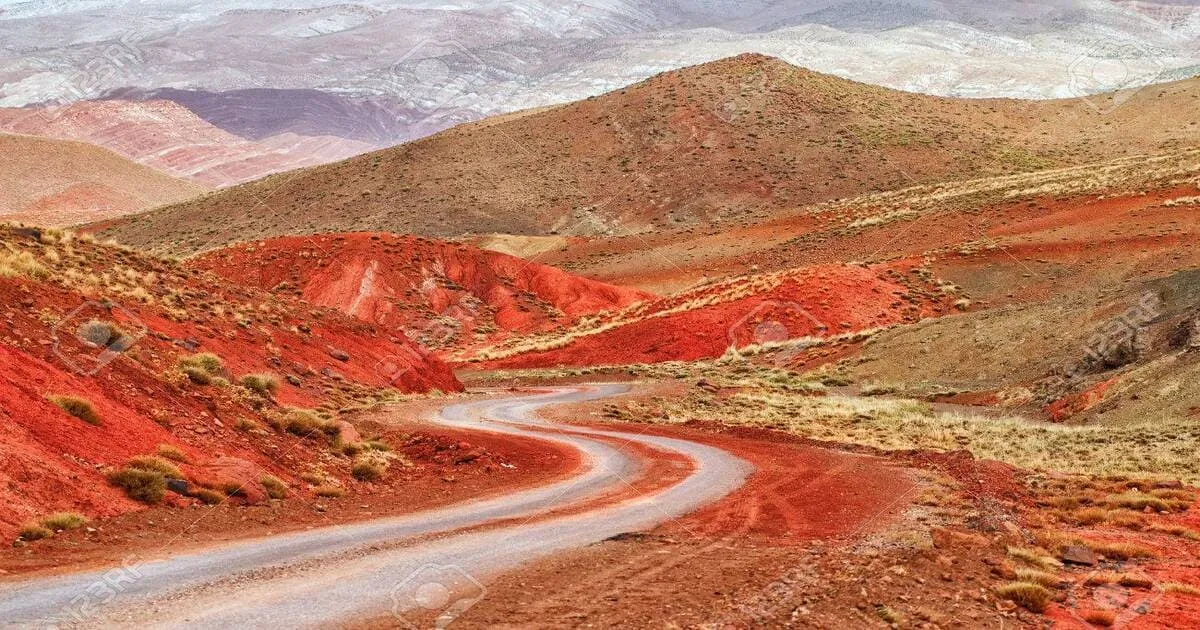
Mountain driving in Morocco — challenging but incredibly rewarding
⚠️ Safety First — Staying Safe on Moroccan Roads
Let’s talk about safety. Morocco is generally a safe country to drive in, but there are some precautions you should take.
General Safety Tips
- Never drive at night if you can avoid it — Poor lighting, wandering animals, and unexpected obstacles make it risky
- Keep doors locked while driving in cities — Especially at traffic lights
- Hide valuables — Don’t leave phones, cameras, or bags visible in the car
- Stay on main roads — Remote tracks can be dangerous and you might get lost
- Drive defensively — Expect the unexpected at all times
- Trust your instincts — If something feels wrong, it probably is
We had zero safety issues during our entire Morocco road trip, but we were always cautious. Being aware and prepared is the best safety strategy.
Read More: Safety Tips & Emergency Contacts →
What to Do in an Accident
Hopefully you’ll never need this, but here’s what to do if you’re involved in an accident:
- Stop immediately — Don’t leave the scene
- Check for injuries — Call emergency services if needed (dial 15 for ambulance)
- Call the police — Dial 19 (they’ll need to file a report for insurance)
- Take photos — Document everything: damage, position of vehicles, surroundings
- Exchange information — Get the other driver’s details and insurance info
- Don’t admit fault — Even if you think it was your fault, let insurance companies decide
- Contact your rental company — Notify them within 24 hours
- Get a police report — Essential for insurance claims
And here’s something important — Moroccan law requires you to stay at the scene until police arrive. Leaving can result in serious legal consequences, even if the accident wasn’t your fault.
Emergency Contacts
Save these numbers in your phone before you start driving:
| Service |
Number |
Notes |
| Police Emergency |
19 |
For accidents, theft, or urgent help |
| Ambulance (SAMU) |
15 |
Medical emergencies |
| Fire Department |
150 |
Fires and rescue operations |
| Gendarmerie (Rural Police) |
177 |
For emergencies outside cities |
| Tourist Police |
0537-688-920 |
Specifically for tourists in Rabat |
| Your Embassy |
– |
Look up before you go |
We also kept our rental company’s 24/7 emergency number prominently displayed in the car. You really don’t want to be searching for numbers in an emergency!
Dealing with Scams
Unfortunately, some people target tourists. Here are common driving scams we encountered or heard about:
- The “flat tire” scam — Someone points out your “flat” tire, then demands money for “fixing” it. Check your tires yourself at gas stations
- Fake parking attendants — They’re not all legitimate. Look for official vests or ask nearby shop owners
- GPS misdirection — Some unofficial guides will misdirect you to demand payment for “help.” Trust your GPS over random strangers
- Overpriced mechanics — Always ask for a price estimate before accepting repairs
- Gas station scams — Attendants might claim you got more fuel than you did. Watch the meter!
The good news? These scams are easily avoided if you’re aware of them. Most Moroccans are genuinely helpful people. Don’t let paranoia ruin your experience, just stay alert.
🎒 Final Tips & Personal Recommendations
After months of driving through Morocco, here are our top pieces of advice that we wish someone had told us before we started:
Things We’re Glad We Did
- Bought a car phone mount — Made navigation so much easier
- Downloaded offline music — Some routes have zero cell signal for hours
- Kept a cooler in the car — Cold water in the desert is a lifesaver
- Learned basic French phrases — “Où est la station-service?” (Where is the gas station?) got used A LOT
- Set aside a daily parking budget — Prevented us from overspending
- Started early each driving day — Avoided midday heat and arrived with time to explore
Things We Wish We’d Done Differently
- Rented a car with better AC — Summer in Morocco is HOT, and our economy car’s AC was weak
- Brought our own phone charger — Rental car’s USB ports didn’t work
- Booked accommodations with parking in advance — Arrived at places with nowhere to park
- Packed a basic tool kit — Would’ve been handy for minor issues
- Given ourselves more time — We rushed a few sections and regretted it
Our rental car all packed and ready for another adventure in Morocco
Is Driving in Morocco Worth It?
Absolutely, 100%, without a doubt YES!
Driving gave us freedom to explore Morocco at our own pace. We could stop for photos whenever we wanted, visit off-the-beaten-path locations, and create our own schedule. Would we do it again? In a heartbeat!
Sure, it was challenging at times. Yes, we got lost occasionally. And yeah, the first few days of city driving were stressful. But those experiences became some of our favorite travel memories.
If you’re considering a Morocco road trip, go for it! Just be prepared, stay flexible, and embrace the adventure. The roads are waiting!
More Morocco Travel Resources
Planning your Morocco adventure? Check out these helpful guides:
- Our complete Morocco itinerary guide for first-time visitors
- Best places to stay in Marrakech, Fes, and Chefchaouen
- Ultimate guide to Morocco desert tours from Marrakech
- What to pack for Morocco in different seasons
- Morocco food guide — must-try dishes and where to find them
Have questions about driving in Morocco? Drop a comment below and we’ll do our best to help! We love connecting with fellow travelers and sharing what we’ve learned on the road.
Safe travels, and enjoy every minute of your Moroccan adventure! 🚗🇲🇦

