

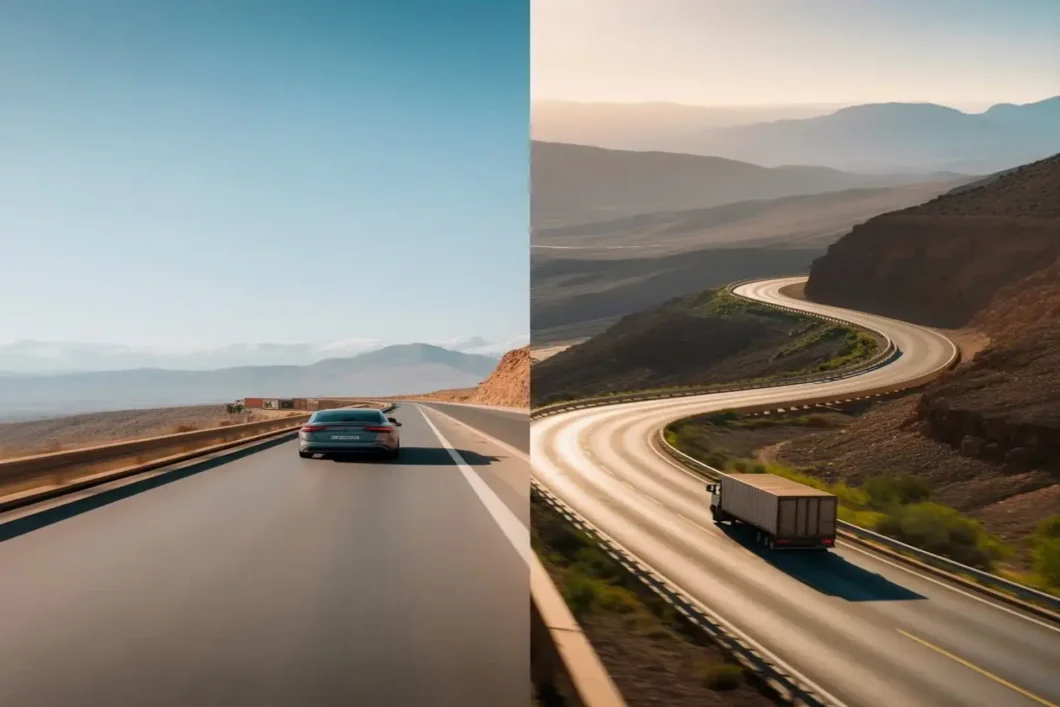
You’ve probably heard it before: “Morocco is small, you can cover it in a week.” Then you check Google Maps. Marrakech to Fes? Only 500 kilometers. That’s what, five hours?
Think again.
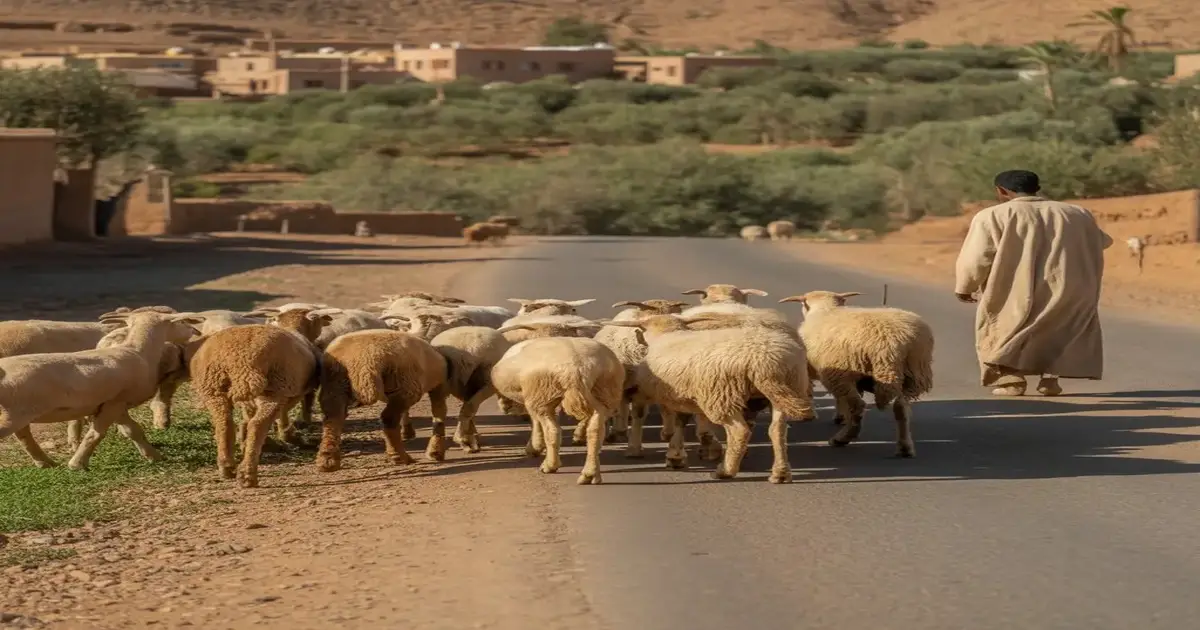
In Morocco, distance means nothing. What matters is the road beneath your wheels. A 200-kilometer stretch on the A1 autoroute? You’ll breeze through in two hours, windows down, cruise control set. But take that same 200 kilometers through the Atlas Mountains, and you’re looking at a full day of hairpin turns, slow-moving trucks, and roadside sheep that couldn’t care less about your schedule.
This is the reality of driving in Morocco travel times. The country doesn’t play by the usual rules. And if you’re planning a road trip through Morocco, understanding this will save you hours of frustration, missed sunsets, and the very real possibility of driving mountain passes in the dark.
So let’s break it down. Not with vague advice or sweeping generalizations, but with the hard truths that come from hundreds of kilometers on Moroccan roads.
The “200km Myth” in Morocco
Here’s what nobody tells you about driving in Morocco: kilometers lie.
Back home, 200 kilometers means roughly two hours of driving. Maybe two and a half if you hit traffic. In Morocco, that same distance can take anywhere from 90 minutes to six hours, depending on which road you’re on.
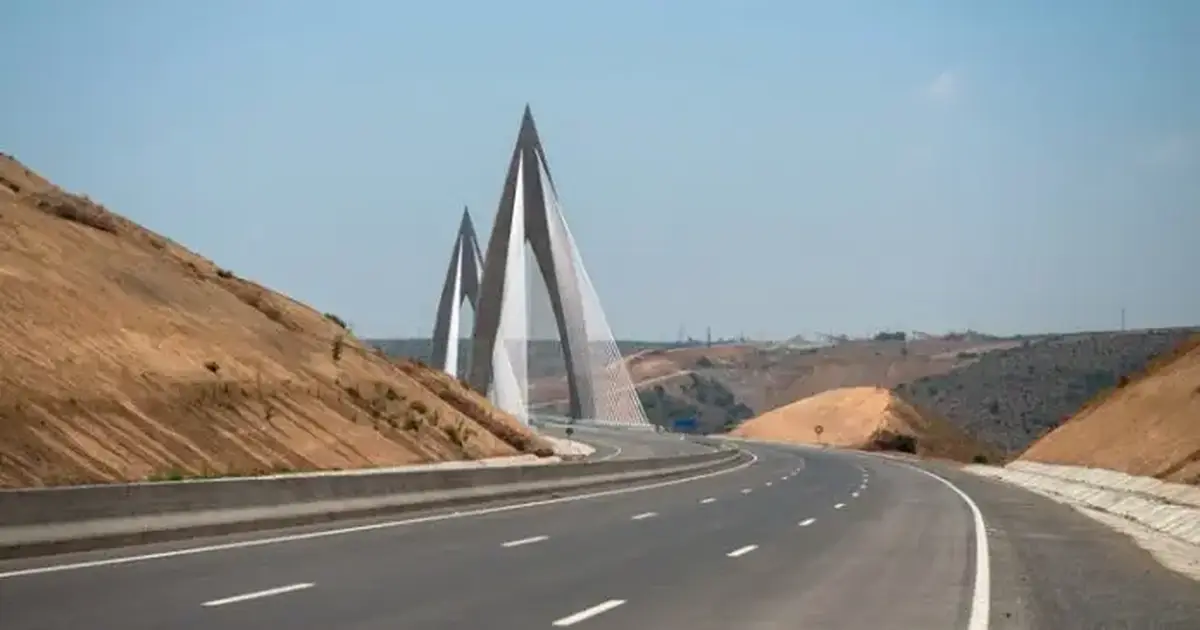
Take the Casablanca to Marrakech route. It’s 240 kilometers of smooth, modern autoroute. You’ll cover it in about 2.5 hours, maybe less if the road is clear. The A1 highway is pristine. Well-marked. Fast. It’s the kind of road that makes you forget you’re in North Africa.
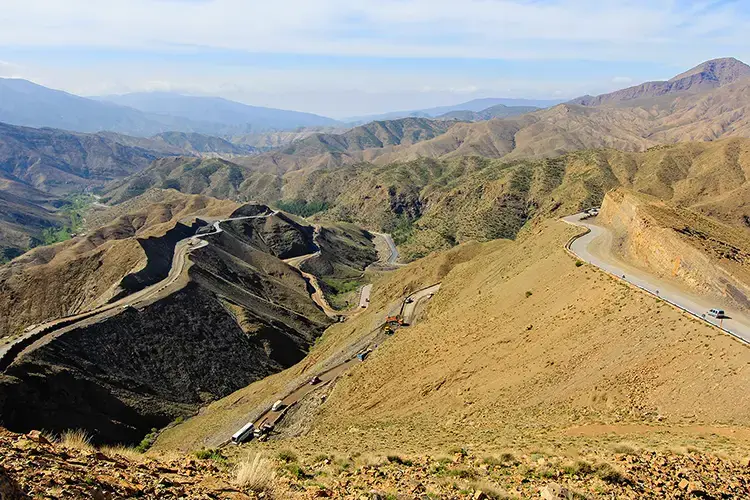
Now compare that to the Marrakech to Ouarzazate driving time. Also around 200 kilometers. But this route takes you over the Tizi n’Tichka pass, Morocco’s highest road at 2,260 meters. The road climbs, twists, and hairpins through the Atlas Mountains. Trucks crawl uphill at 20 km/h. Roadwork appears without warning. And if you’re unlucky enough to get stuck behind a heavily loaded phosphate truck on a blind curve, you’re not passing for another 30 minutes.
This route? Plan for five hours minimum. Six if you’re cautious or it’s your first time.
The difference isn’t the distance. It’s the terrain. And in Morocco, terrain dictates everything.
The Highway Reality vs. The Mountain Reality
Morocco’s toll highways are excellent. Some of the best in Africa, honestly. The Morocco highway speed limits are strictly enforced at 120 km/h, and the roads themselves are wide, well-maintained, and lined with rest stops every 50 kilometers or so.
On the autoroute, you can actually rely on GPS estimates. Google Maps will tell you Tangier to Rabat is three hours, and it’s right. The road is flat, straight, and designed for speed.
But the moment you leave the highway and head into the mountains, all bets are off.
The Google Maps Trap You Need to Avoid
Let’s talk about the elephant in the room: Is Google Maps accurate in Morocco?
Short answer: Sometimes.
Long answer: Google Maps calculates drive times based on theoretical speed limits and historical traffic data. On Morocco’s highways, it’s pretty accurate. On mountain roads, it’s wildly optimistic.
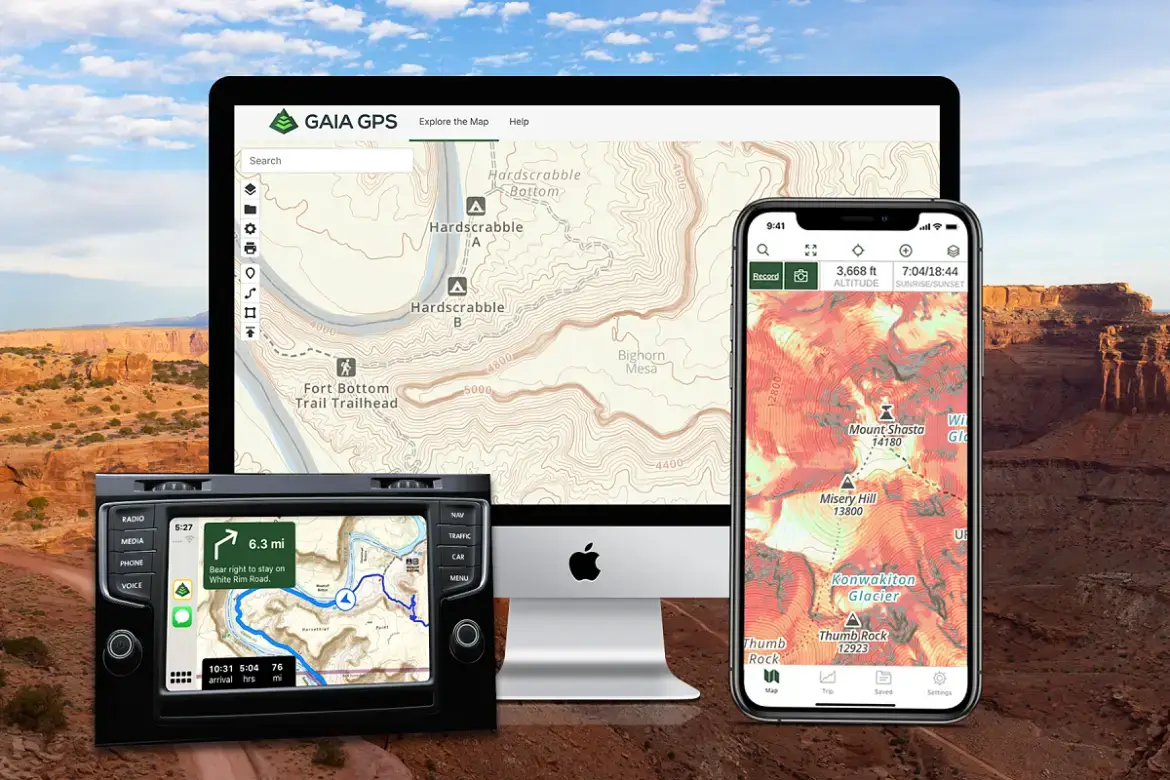
Here’s why. Google assumes you’ll average 60-80 km/h on national roads. But it doesn’t account for hairpin turns, trucks, roadwork, livestock, or the general unpredictability of Moroccan roads. So when it tells you Marrakech to Zagora is six hours, what it really means is “six hours if absolutely nothing goes wrong.”
In reality? Add 25-30% to whatever Google tells you for mountain routes.
Rule #4: Check Weather for Winter Travel
If you’re driving in Morocco between November and March, check weather forecasts for mountain passes.
The Tizi n’Tichka can close due to snow. The Middle Atlas gets icy. And when the passes close, they really close. No exceptions.
If snow is forecast, either postpone your mountain crossing or take a longer, lower-elevation route. Don’t gamble on it.
Real Drive Times: The Routes You Need to Know
Let’s get specific. Here are the actual drive times for Morocco’s most popular routes, based on real-world experience, not Google’s optimism.
| Route Type | Example Route | Distance | Avg. Speed | Total Time |
|---|---|---|---|---|
| Highway (Toll) | Casa to Marrakech | 240 km | 100-120 km/h | ~2.5 Hours |
| Mountain Pass | Marrakech to Ouarzazate | 200 km | 40-50 km/h | ~5 Hours |
| National Road | Marrakech to Essaouira | 175 km | 70-80 km/h | ~3 Hours |
| Coastal Route | Agadir to Essaouira | 175 km | 70-90 km/h | ~2.5 Hours |
| Desert Route | Ouarzazate to Merzouga | 365 km | 60-80 km/h | ~6 Hours |
These times assume daylight driving, decent weather, and no major delays. Always add buffer time.
The Routes That Always Take Longer Than Expected
Marrakech to Fes (via Beni Mellal): Google says 7 hours. Reality: 8-9 hours. The Middle Atlas slows you down.
Chefchaouen to Fes: Google says 4 hours. Reality: 5-6 hours. Winding Rif Mountain roads.
Agadir to Marrakech (via Tizi n’Test): Google says 4 hours. Reality: 6-7 hours. This pass is even slower than Tizi n’Tichka.
Plan accordingly.
The Final Word on Morocco Drive Times
Here’s what it comes down to: Morocco rewards patience.
If you rush, you’ll miss things. You’ll drive stressed. You’ll arrive exhausted. And you’ll probably end up navigating mountain roads in the dark, which nobody wants.
Instead, embrace the slower pace. Build buffer time into every drive. Expect delays. Plan for stops. And remember that the journey through Morocco’s mountains, valleys, and deserts is just as much the experience as the destination itself.
The roads here don’t follow the usual logic. But once you understand that, once you adjust your expectations and your schedule, driving in Morocco becomes one of the most rewarding ways to see this stunning country.
Just don’t trust Google Maps in the Atlas. Trust me on that one.
For more detailed guidance on renting a car in Morocco or planning your complete Morocco itinerary, check our other guides. And if you’re still planning your trip logistics, our Morocco road trip logistics guide covers everything from fuel to Wi-Fi to border crossings.
Happy travels. Drive safe. And give yourself more time than you think you need.