


If you’re planning a Morocco road trip from Marrakech to the southern desert regions, there’s one unavoidable reality you’ll face: the Tizi n’Tichka Pass. This isn’t just a scenic mountain road you casually drive through on your way to Ouarzazate or the Sahara. It’s a genuine logistical challenge that can make or break your travel day if you don’t approach it with the right strategy.
Driving the Tizi n’Tichka pass requires more than just basic driving skills. You’re looking at 2,260 meters of elevation, over 200 hairpin turns, and road conditions that can shift from smooth tarmac to rough construction zones without warning. The question most travelers ask isn’t “Is it beautiful?” — because it absolutely is — but rather “How do I cross this mountain barrier efficiently and safely?”
The reality is that 200 kilometers on a map translates to 4 to 5 hours of actual driving time. That’s not a typo. This is where many first-time visitors to Morocco miscalculate their day. They see the distance from Marrakech to Ouarzazate, assume it’s a straightforward 2.5-hour drive, and suddenly find themselves navigating mountain switchbacks in fading light with exhausted passengers in the back seat.
In this guide, we’ll break down the tactical details you need to know: the optimal departure time from Marrakech, how to handle the ongoing construction, what to expect weather-wise in different seasons, and even an alternative route if you want to trade efficiency for a more adventurous experience. This is about logistics, timing, and making smart decisions so your crossing of the High Atlas becomes a highlight of your trip rather than a stressful ordeal.
The Gateway to the South: Why Tichka is Unique
The Tizi n’Tichka Pass isn’t just another mountain road in Morocco. It’s the primary barrier — both geographical and logistical — between the bustling imperial city of Marrakech and everything that lies beyond: the kasbahs of the Draa Valley, the dunes of Merzouga, the dramatic gorges of Todra and Dades. If you want to experience southern Morocco by road, you go through Tichka. There’s no easy way around it.
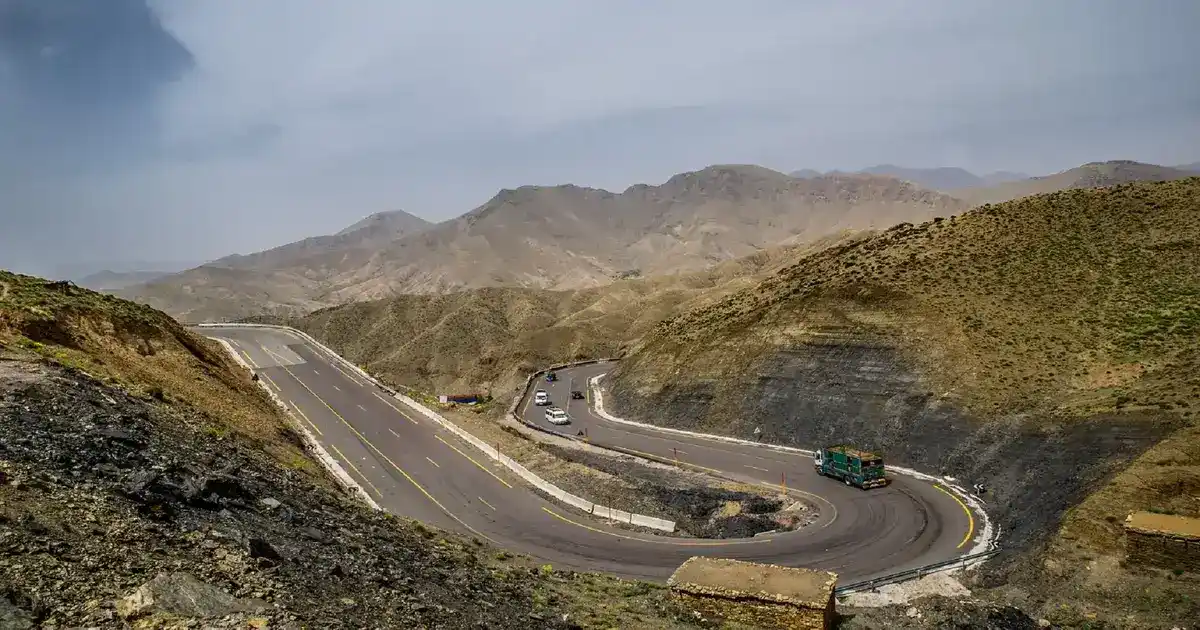
Let’s talk numbers. At its highest point, Tizi n’Tichka reaches 2,260 meters (7,415 feet) above sea level. For reference, that’s higher than most ski resorts in the eastern United States. The pass crosses the High Atlas Mountains via the N9 national road, and while the road is paved for its entire length, the sheer number of switchbacks — over 200 tight curves — means you’re rarely driving in a straight line for more than a few hundred meters.
This is where the “time warp” phenomenon kicks in. On paper, the distance from Marrakech to Ouarzazate is roughly 200 kilometers. In most countries, on a decent highway, that’s a 2-hour drive. In Morocco, across Tizi n’Tichka, it’s 4 to 5 hours minimum. Why? Because you’re not just covering horizontal distance — you’re climbing nearly 1,500 meters in elevation, navigating hairpin turns, sharing the road with overloaded trucks crawling at 20 km/h, and stopping (inevitably) at viewpoints that are too spectacular to pass by.
The geography creates a funnel effect. Almost all road traffic heading south from Marrakech — tourist buses, freight trucks, rental cars, local taxis — must use this single route. There’s an alternative road via Telouet (which we’ll discuss later), but the N9 via Tichka is the main artery. That means traffic, especially during peak tourist seasons (March-May and September-November), can slow things down significantly.

Mastering the Construction & Overtaking
One thing you need to understand about the Tizi n’Tichka Pass: it’s been “under construction” for years, and it will likely remain that way for years to come. The Moroccan government has been working on widening and improving the N9, but the sheer scale of the project — blasting through rock faces, stabilizing mountainsides, reinforcing tunnels — means the work is perpetual.
What does this mean for you as a driver? Expect sections where the smooth asphalt abruptly gives way to gravel, dirt, or freshly laid (and still rough) pavement. You’ll encounter construction zones marked by nothing more than a pile of rocks or a faded sign in Arabic. Road crews often work on one lane, forcing two-way traffic onto the remaining lane with minimal flagging or control.
Motion Sickness & The “Stop Strategy”
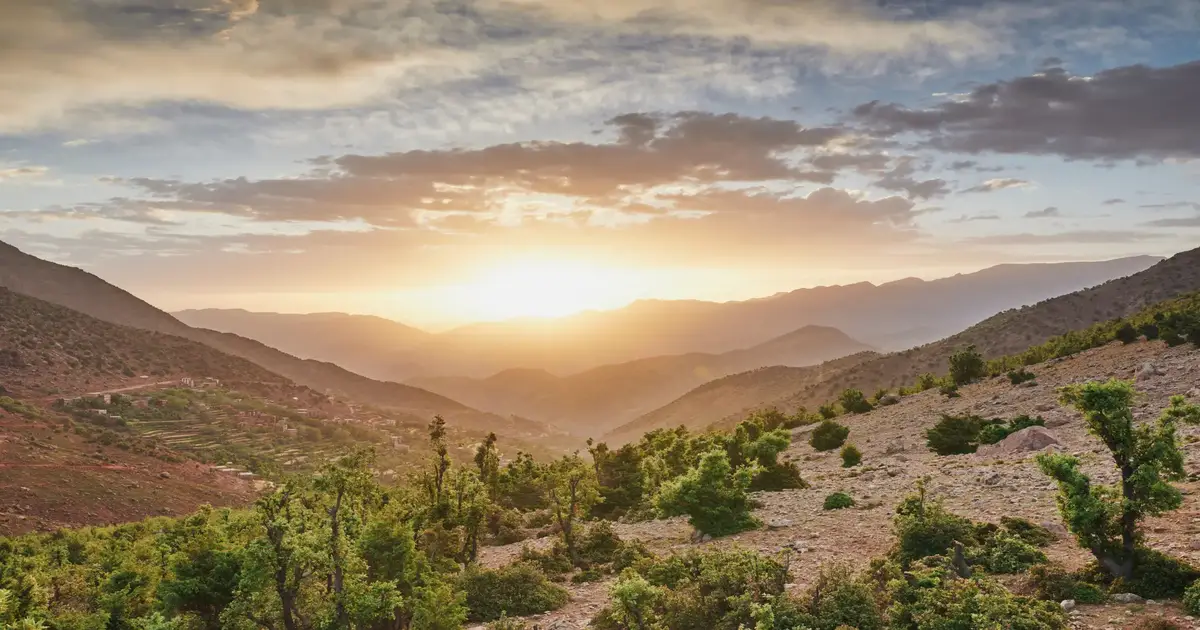
Let’s address something nobody talks about in the glossy travel blogs: the Tizi n’Tichka Pass will make some passengers car sick. The endless switchbacks, the altitude change, the heat (if it’s summer), and the diesel fumes from trucks — it’s a perfect storm for motion sickness.
If you’re traveling with passengers who are prone to motion sickness, this isn’t something to ignore. Here’s what works:
- Medication: Over-the-counter motion sickness pills (Dramamine, Kwells) taken 30 minutes before departure can make a huge difference. They’re available at pharmacies in Marrakech.
- Front seat positioning: Put anyone susceptible to car sickness in the front passenger seat where they can see the road ahead. The back seat amplifies the sensation of motion.
- Fresh air: Keep windows cracked open even if the A/C is running. Fresh air circulation helps.
- Light snacks: An empty stomach or a too-full stomach both worsen nausea. Light crackers or fruit are ideal.
The Strategic Photo Stops
Final Thoughts: Respecting the Mountain
The Tizi n’Tichka Pass is both a challenge and a reward. It’s the gateway to some of Morocco’s most incredible landscapes — the kasbahs, the desert, the gorges — but it demands respect. This isn’t a road you can rush or take lightly, especially if you’re not used to mountain driving.
The key takeaways: leave Marrakech early (6:30-7:00 AM is ideal), expect construction and slow-moving trucks, prepare for weather extremes depending on the season, and keep passenger comfort in mind with strategic stops and motion sickness precautions. If you do these things, driving the Tizi n’Tichka pass transforms from a logistical headache into one of the highlights of your Moroccan adventure.
And once you’ve made it over? You’ll look back at those hairpin turns, those spectacular views, and that sense of accomplishment, and you’ll understand why how long to cross the High Atlas Mountains isn’t just about time — it’s about the experience. Take your time, drive safely, and enjoy the journey. The desert can wait an extra hour.