Driving to Merzouga: 4×4 vs. 2WD – Navigating Unmarked Tracks and Soft Sand

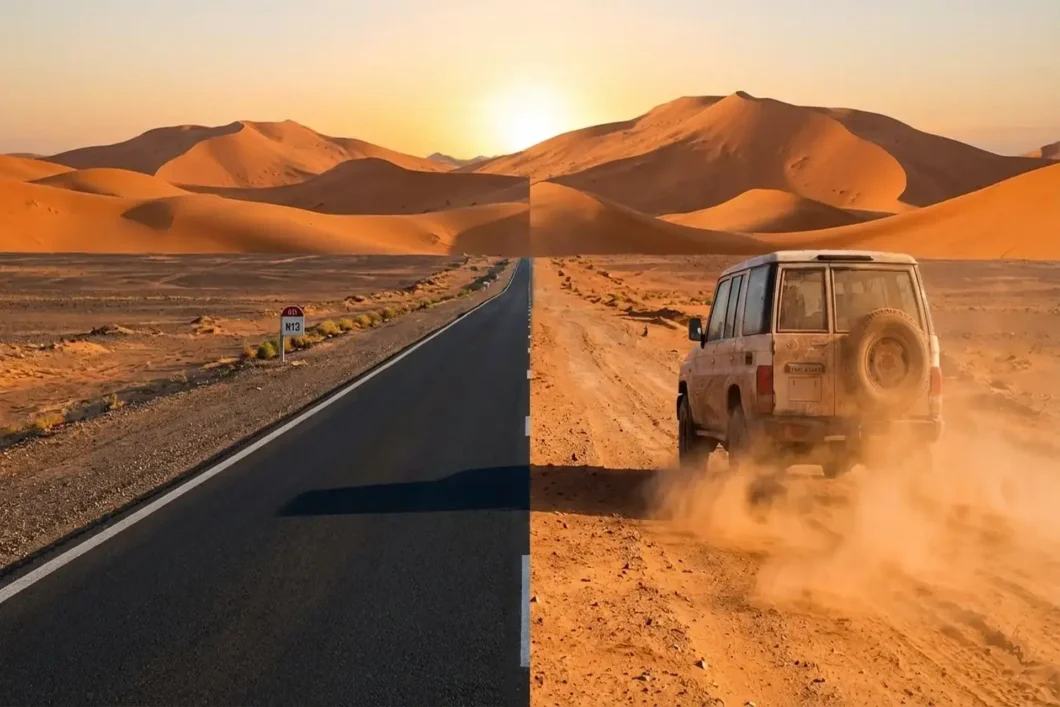
The N13 highway to Merzouga is entirely paved, but the real question isn’t whether you can drive there—it’s what happens when the asphalt ends and the sand begins.

Here are the most common questions we receive about driving to Merzouga: A: Can a standard car reach Merzouga? B: Do I need a 4×4 for the Sahara? C: Where do I park when staying in the desert? D: What are the road conditions like?

In short, the answers key is as follows:

A: Yes, the paved road goes all the way to the village.

B: Only if you plan to drive off-road yourself.

C: Secure parking is available in Merzouga and Hassilabied.

D: Excellent on the N13, challenging on desert tracks.

Let’s clear up the biggest misconception about driving to Merzouga: You don’t need a 4×4 to reach the village itself. The N13 national highway is entirely paved from Ouarzazate through Tinghir, Erfoud, and all the way to Merzouga. A standard sedan, compact car, or even a small hatchback can make this journey without any issues.

The route from Ouarzazate to Merzouga covers roughly 370 kilometers and takes about 5-6 hours of driving time. The road quality is surprisingly good for most of this journey. You’ll pass through dramatic landscapes—the Dadès Valley, Todra Gorges, and the date palm oases of the Ziz Valley—all on well-maintained asphalt.
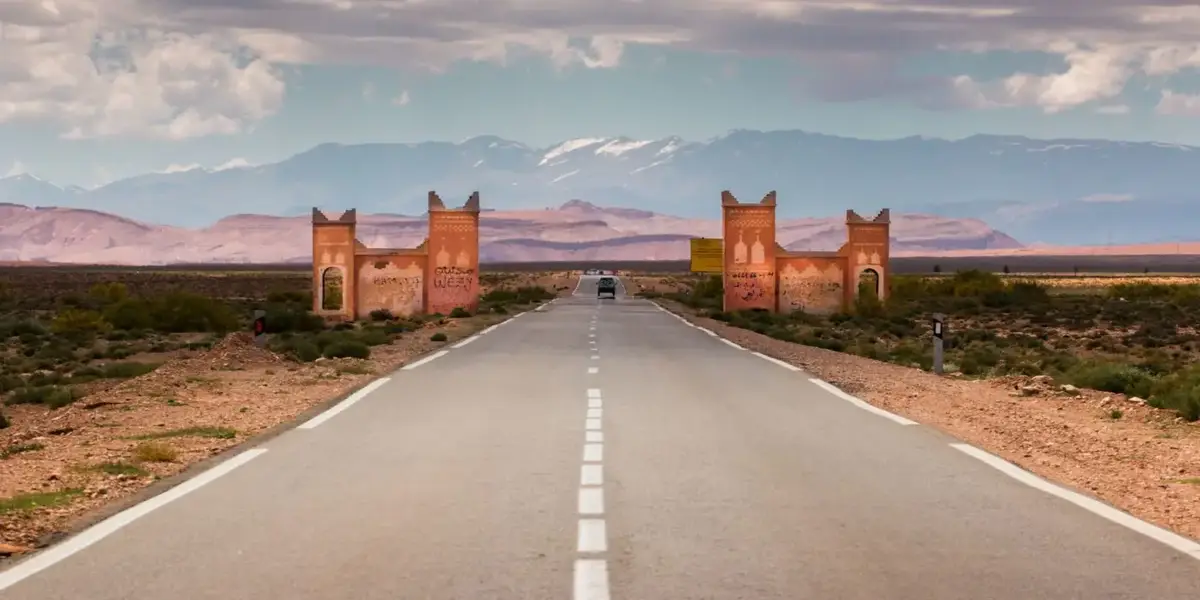
The final stretch from Erfoud to Merzouga (about 50 km) continues on paved road, winding through flat desert terrain dotted with the occasional village. You’ll see the massive orange dunes of Erg Chebbi rising in the distance long before you arrive. The road leads directly into the village of Merzouga, where hotels, restaurants, and tour operators line the main street.

However, many travelers confuse “reaching Merzouga” with “reaching the desert camps.” This is where the confusion—and the critical vehicle decision—comes into play.

The “Last Mile” Problem: From Pavement to Sand

The real challenge isn’t getting to Merzouga—it’s what happens next. Most travelers don’t want to sleep in the village itself. They want the full Sahara experience: sleeping in a traditional Berber camp nestled among the towering dunes of Erg Chebbi. And that’s where the asphalt ends and the sand begins.

Desert camps are typically located 5 to 15 kilometers from the village, accessible only via sandy tracks. Some camps sit at the base of the dunes, while others are tucked deeper into the erg, surrounded entirely by sand. No paved roads lead to these camps. This is the “last mile problem” that catches many travelers off guard.
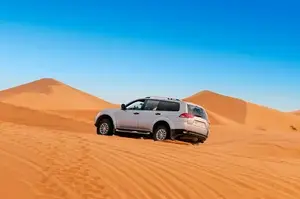
Your standard rental car can get you to Merzouga village, but it absolutely cannot drive on soft sand. Attempting to do so will result in getting hopelessly stuck within minutes. The sand is fine and deep, and without 4×4 capability, proper tires, and sand-driving experience, you’re setting yourself up for an expensive rescue operation.

This is why virtually all desert camps offer transfers from Merzouga village as part of their package. These transfers typically use one of three methods: 4×4 vehicles driven by experienced locals, camel treks (the traditional and most photogenic option), or quad bikes for those seeking a bit more adventure. The transfer is usually included in your camp booking or available for a small additional fee.

Transfer Options from Village to Camp

Most camps handle the logistics for you. When you book a desert camp, confirm the following:

  • Does the price include transfer from Merzouga village to the camp?
  • What type of transfer is included (4×4, camel, quad)?
  • Where exactly should you meet the transfer (many camps have a meeting point in the village)
  • What time does the transfer depart (usually late afternoon to arrive before sunset)
  • Is return transfer in the morning included?

The camel trek option is popular because it’s part of the experience—watching the sunset from atop a camel as you cross the dunes is a highlight for most visitors. However, it’s slower (45 minutes to 1.5 hours depending on camp location) and not suitable for everyone. If you have mobility issues, prefer speed, or simply aren’t interested in riding a camel, request a 4×4 transfer instead.

4×4 vs. 2WD: The Decision Matrix

The question isn’t really “Do I need a 4×4?” but rather “What do I want to do once I’m in Merzouga?” Your vehicle choice should depend on your plans, experience level, and where you’re staying. Let’s break down when each option makes sense.

When a Standard 2WD Car is Perfectly Fine
Read More: Choosing Your Vehicle →

Most travelers don’t need to rent a 4×4 for driving to Merzouga. A standard car works well if:

  • Your accommodation provides transfers: If your desert camp includes pickup from the village (and nearly all do), there’s zero reason to pay extra for a 4×4. You drive your 2WD to Merzouga, park it securely, take their transfer to the camp, and reverse the process in the morning.
  • You’re staying in a village hotel: Many hotels in Merzouga and nearby Hassilabied are right on the paved road. You can park at your hotel and arrange desert activities (camel treks, 4×4 excursions, sandboarding) through them without needing your own off-road vehicle.
  • You’re on a budget: 4×4 rentals in Morocco cost roughly double what a standard car costs (often 600-900 MAD per day vs. 300-450 MAD for a compact). If your itinerary doesn’t require off-road driving, that’s a significant saving over a 7-14 day road trip.
  • You’re uncomfortable driving in challenging conditions: Sand driving requires specific skills—knowing when to deflate tires, how to read the sand consistency, recovery techniques if you get stuck. If you don’t have off-road experience, it’s safer and smarter to let local experts handle the desert portions.

The N13 route from Ouarzazate is well-paved and suitable for any vehicle type. Towns like Tinghir, Erfoud, and Rissani all have gas stations, ATMs, and services accessible to standard vehicles.

When You Should Consider a 4×4

There are legitimate scenarios where renting a 4×4 makes sense for driving to Merzouga:

  • You want to explore independently: If your plan includes driving to remote desert locations beyond the standard tourist routes—perhaps exploring the less-visited Erg Znigui dunes south of Merzouga, or taking the backcountry route to Erg Chigaga near M’Hamid—you’ll need a 4×4 and ideally sand-driving experience.
  • You’re traveling in winter to the Atlas Mountains: While not related to Merzouga specifically, if your road trip itinerary includes High Atlas passes in winter (December-March), a 4×4 with good clearance can be essential for snow and ice conditions.
  • You have genuine off-road experience: If you’ve driven extensively in sandy or challenging terrain elsewhere and know how to self-recover, a 4×4 opens up possibilities for experienced drivers. But be honest about your skill level—overconfidence in the Sahara can be dangerous and expensive.
  • You’re planning extended backcountry exploration: Some adventurous travelers spend multiple days exploring remote desert areas, camping wild, and taking piste (dirt track) routes. This requires a proper 4×4, recovery gear, GPS/maps, extra fuel, water, and experience.

For most tourists doing the classic Marrakech-Merzouga-Fes loop, a 4×4 is unnecessary. The N13 highway, the entire Dades Valley route, and the road through Todra Gorges are all paved and accessible to standard vehicles.

The Middle Ground: SUV Rentals

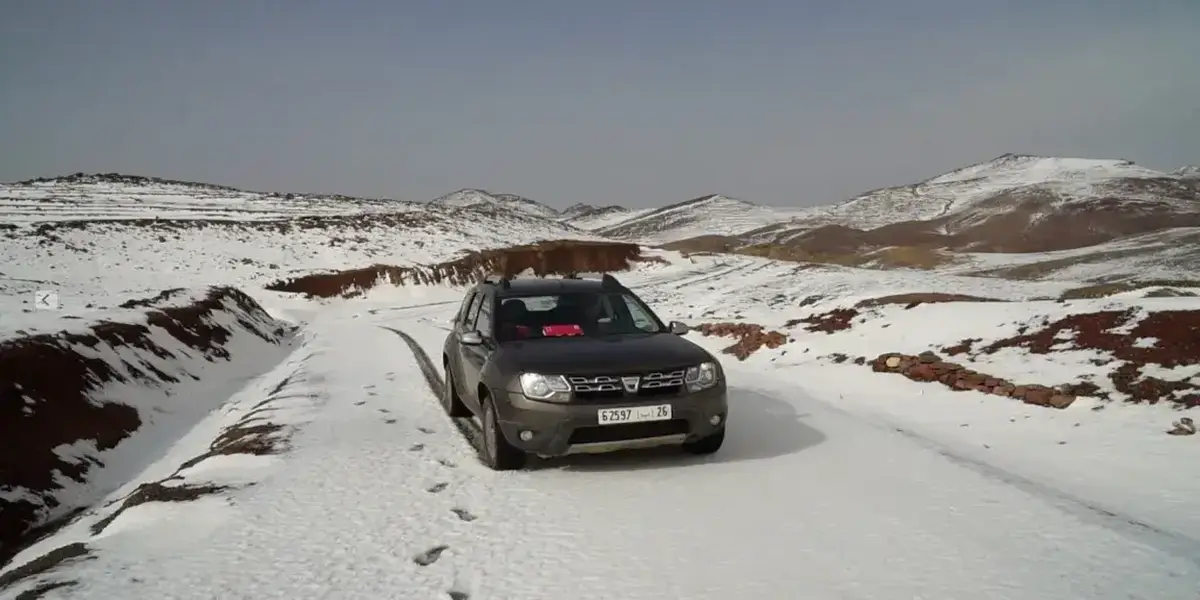
If you want extra ground clearance and a sturdier feel without committing to a true 4×4, consider a crossover SUV like a Dacia Duster (Morocco’s most common rental) or Renault Captur. These vehicles:

  • Handle the N13 highway with more comfort than a compact sedan
  • Provide better visibility and clearance on rougher paved roads
  • Feel more stable on mountain passes with strong crosswinds
  • Cost less than a full 4×4 (typically 400-600 MAD per day)
  • Are NOT suitable for off-road desert driving despite appearances

Don’t be fooled by the rugged look of a Duster—it’s still front-wheel drive in most rental fleet versions and will get stuck in sand just as quickly as a sedan. But for paved roads and light gravel, it’s a comfortable middle option.

Vehicle Safety & Desert Hazards

Even on the paved N13 highway to Merzouga, certain hazards require awareness. Understanding these challenges helps you prepare properly regardless of your vehicle choice.

Sand Storms and Visibility

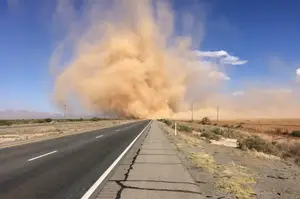
The stretch from Erfoud to Merzouga can experience sudden sandstorms, particularly in spring (March-May) when winds are strongest. These storms can reduce visibility to near-zero within minutes. If you encounter a sandstorm:

  • Pull completely off the road to a safe spot
  • Turn on hazard lights
  • Close all vents and windows to prevent sand infiltration
  • Wait it out—storms usually pass within 20-60 minutes
  • Don’t attempt to drive in zero visibility conditions

Sand storms are more common in afternoon hours when desert temperatures peak. Morning departures (7-9 AM) generally offer calmer conditions.

Soft Shoulders and Sandy Edges

While the N13 itself is paved, the road shoulders are often soft sand. If you need to pull over:

  • Slow down gradually before pulling off
  • Look for compacted areas or gravel patches
  • Avoid soft sand—your wheels will sink immediately
  • If stuck on a shoulder, don’t accelerate hard (you’ll dig deeper)
  • Flag down a local vehicle; recovery is common and usually quick

This is particularly important for photo stops. The temptation to pull over when you see the dunes is strong, but choose your stopping point carefully. Many designated viewpoints exist along the route with safer parking areas.

Heat and Vehicle Performance

Summer temperatures (June-September) in the Merzouga region regularly exceed 45°C (113°F). This extreme heat affects vehicles:

  • Tire pressure increases: Check pressure when cool; don’t overinflate
  • Cooling systems work harder: Ensure coolant levels are adequate
  • Air conditioning strain: Older rental cars may struggle; consider this when choosing your vehicle
  • Battery stress: Heat kills batteries; newer rental cars are more reliable

Always carry extra water—not just for drinking, but for the radiator if needed. At least 5-10 liters is recommended for the Erfoud-Merzouga section.

Parking Logistics in Merzouga

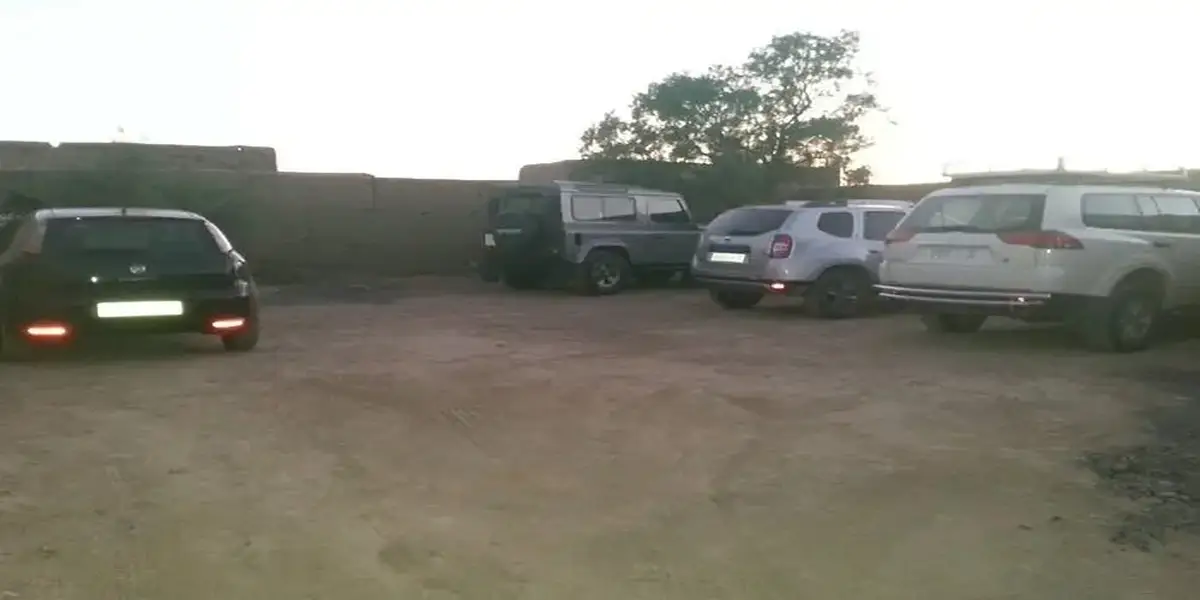
Once you arrive in Merzouga, you’ll need to leave your vehicle somewhere safe while you’re off in the dunes. Most travelers spend 1-2 nights in desert camps, meaning your car will be parked for 24-48 hours. Here’s what you need to know about secure parking options.

Hotel and Camp Parking

If you’re staying at a hotel in Merzouga village before or after your desert camp experience, most hotels offer free parking for guests. Popular options include:
Read More: Parking & Logistics →

  • Hotels with parking lots: Larger hotels like Kanz Erremal, Hotel Kasbah Mohayut, and Nasser Palace have dedicated parking areas
  • Desert camp parking: Many camps operate a “base” in the village where you can park before your camel/4×4 transfer
  • Parking included in packages: Some camps include parking as part of their overnight package

Always confirm parking arrangements when booking. Ask specifically: “Where do I park my rental car during my desert camp stay?” This should be clarified before arrival to avoid confusion.

Guarded Parking Facilities

For travelers who arrive in Merzouga without pre-booked accommodation or who want extra security, several guarded parking lots (*parking gardé*) operate in the village:

  • Located near the main square and along the primary tourist street
  • Cost: Usually 20-30 MAD per 24 hours
  • Staffed during day hours; locked gates at night
  • Basic security but generally reliable for short-term parking

These lots cater specifically to tourists doing desert excursions. The attendants are accustomed to travelers leaving vehicles for 1-3 days while camping in the erg.

What to Remove from Your Vehicle

Before heading into the desert, take these items with you or secure them:

  • Remove from car: Valuables, passports, money, cameras, electronics
  • Take to camp: Warm layers for night (desert temperatures drop dramatically), headlamp/flashlight, any medications
  • Leave locked in trunk: Large luggage, non-essential items
  • Lock securely: Close all windows, lock all doors, engage steering lock if available

While theft is relatively rare in Merzouga, basic precautions are sensible. Don’t leave anything visible inside the car that might attract attention.

Driving Routes to Merzouga: Your Options

Most travelers approach Merzouga from one of three directions, each offering different scenery and driving experiences. All routes are suitable for standard vehicles on paved roads.

From Ouarzazate (Western Approach)

This is the most popular route, typically part of a larger Morocco road trip from Marrakech. The 370 km journey breaks down as:

  • Ouarzazate to Tinghir: 165 km, 2.5-3 hours via Skoura and Boumalne Dades
  • Tinghir to Erfoud: 155 km, 2-2.5 hours through stunning Ziz Valley
  • Erfoud to Merzouga: 50 km, 45 minutes across flat desert

This route passes through the spectacular Dadès Valley and Todra Gorges, making it scenically rich. Plan for stops at Rose Valley (spring rose harvest season), Todra Gorges (dramatic canyon walls), and the Ziz Valley viewpoint.

From Fes (Northern Approach)

The longest direct route at approximately 470 km, requiring 7-8 hours of driving time. This route is less scenic than the western approach but viable if you’re heading to Merzouga from northern Morocco.

  • Fes → Ifrane → Midelt → Rich → Erfoud → Merzouga
  • Passes through Middle Atlas mountains
  • Elevation changes from 2,000m in Ifrane to below sea level at Merzouga
  • Winter snow possible in Ifrane-Midelt section (November-March)

This is typically an overnight journey, with stops in either Midelt or Errachidia to break up the drive. The route is entirely paved but can be tiring in a single day.

From Zagora/M’Hamid (Southern Approach)

For adventurous travelers connecting two desert regions, you can drive from the Draa Valley area to Merzouga. However, this is genuinely challenging:

  • Direct piste routes require 4×4 and local knowledge
  • Paved alternative: backtrack to Ouarzazate then head to Merzouga (adds significant distance)
  • Only recommended for experienced desert drivers or with guides

Most travelers visiting both Erg Chigaga (near Zagora) and Erg Chebbi (Merzouga) do so as separate legs from Marrakech rather than connecting them directly.

Practical Driving Tips for the Merzouga Route

Based on our experience driving in Morocco and specifically to Merzouga, here are essential practical tips:

Fuel Planning

  • Last reliable fuel: Erfoud has several stations; fill up completely here
  • Merzouga fuel: Limited availability; prices slightly higher; hours can be unpredictable
  • Return planning: Fuel up in Merzouga or Erfoud before heading back
  • Consumption note: Desert heat and air conditioning increase fuel consumption by 15-20%

Timing Your Arrival

Arrive in Merzouga in late afternoon (3-5 PM) to:

  • Avoid the hottest part of the day for driving
  • Coordinate with camp transfers that typically depart around sunset
  • Give yourself buffer time if delays occur
  • Enjoy golden hour photography as you approach the dunes

If you arrive too early, you’ll wait in the village until transfer time. If you arrive too late, you might miss the sunset transfer and need alternative arrangements.

Road Conditions by Season

Season Road Condition Key Considerations
Winter (Dec-Feb) Excellent Cool days, cold nights. Snow possible on Atlas passes but not near Merzouga. Best visibility.
Spring (Mar-May) Good Pleasant temperatures. Occasional sandstorms. Wildflowers in valleys. Moderate winds.
Summer (Jun-Aug) Excellent Extreme heat (40-48°C). Drive early morning/late evening. Ensure AC works. Carry extra water.
Autumn (Sep-Nov) Excellent Ideal temperatures. Clear skies. Peak tourist season. Date harvest in Ziz Valley.

Emergency Preparedness

Even on well-maintained roads, carry:

  • Spare tire in good condition (check before departure)
  • Basic tools provided with rental car
  • Phone charger (car adapter)
  • Physical map as GPS backup
  • Extra water (5+ liters per person)
  • High-energy snacks
  • First aid kit
  • Flashlight or headlamp

Mobile coverage is generally good on the N13 route, but can be spotty in some valley sections. Having a backup plan doesn’t require paranoia—just sensible preparation for remote area driving.

Alternatives to Driving Yourself

Not everyone wants the responsibility of driving to Merzouga. Fortunately, excellent alternatives exist that remove the driving stress entirely while still allowing you to experience the journey.

Organized Tours from Marrakech or Fes

Multi-day tours that include Merzouga are extremely popular and solve all logistics:

Read More: Alternative Transport Options →

  • 3-day Marrakech to Merzouga tours: Drive Tizi n’Tichka pass, Ait Benhaddou, Dades Valley, arrive Merzouga day 2, return day 3
  • 4-day versions: Add Todra Gorges, more time in desert, less rushed pace
  • Fes to Marrakech (or reverse): One-way tours crossing Morocco via Merzouga, eliminating backtracking

Tours include transportation in comfortable 4x4s or minivans, English-speaking driver/guides, accommodation, some meals, and desert activities. They’re stress-free but less flexible than self-driving.

Private Drivers

For those who want flexibility but not the driving responsibility, hiring a private driver is an excellent middle ground:

  • You control the itinerary, stop where you want, travel at your pace
  • Driver handles all navigation, parking, and logistics
  • Cost: Approximately 100-150 EUR per day including driver, vehicle, fuel
  • Book through reputable agencies or via your hotel
  • Ideal for families or those uncomfortable with Moroccan driving conditions

Supratours Bus Service

Budget travelers can reach Merzouga via CTM/Supratours buses:

  • Marrakech to Merzouga: Overnight bus, arrives early morning
  • Fes to Merzouga: Day bus via Erfoud
  • Comfortable, air-conditioned coaches
  • Cost: 200-250 MAD one-way
  • Limited flexibility but very economical

Once in Merzouga, the bus drops you in the village where you can arrange desert camp transfers independently.

Final Recommendations: Making Your Decision

After analyzing all factors, here’s our straightforward advice for driving to Merzouga:

Rent a standard 2WD car if:

  • You’re doing the classic tourist route (Marrakech-Merzouga-Fes or variations)
  • Your desert camp includes transfers from the village
  • You want to save money (200-300 MAD per day difference adds up)
  • You’re comfortable with paved road driving but not off-road experience

Consider a crossover SUV (like Dacia Duster) if:

  • You want extra comfort and visibility
  • You’re traveling with family or group (more space)
  • You prefer the psychological confidence of a larger vehicle
  • Budget allows for the middle-ground option

Rent a 4×4 only if:

  • You have genuine off-road driving experience
  • Your itinerary includes winter Atlas mountain driving
  • You plan to explore remote pistes with local guides
  • You’re an adventure driver who knows sand driving techniques

For 90% of travelers, the standard car + camp transfer combination is the smartest choice. It saves money, reduces stress, and still delivers the full Sahara experience. The journey to Merzouga on the N13 highway is straightforward and doesn’t require specialized vehicles.

The magic of Merzouga isn’t about conquering technical driving challenges—it’s about experiencing the otherworldly beauty of the Sahara, sleeping under impossible stars, and riding camels into the sunset. Those experiences don’t require you to own or drive a 4×4. They require only that you arrive, which any rental car can help you do.

So plan your Morocco road trip, book a reliable rental car appropriate for paved roads, choose a desert camp that includes transfers, and enjoy the journey. The dunes will be waiting—regardless of what you drive to get there.