


Planning a Morocco 14-day road trip? You’ve picked the perfect amount of time. Two weeks gives you enough breathing room to explore imperial cities, cross dramatic mountain passes, sleep under Sahara stars, and still have moments to simply sit in a riad courtyard with mint tea. This isn’t a rushed checklist — it’s a real journey.
I remember my first time driving through the High Atlas. The road twisted endlessly, every bend revealing another village clinging to mountainsides, another valley painted in shades I didn’t know existed. That’s what a 14-day Morocco itinerary offers: the chance to actually see, not just pass through.
This guide breaks down everything you need — day-by-day routes, realistic driving times, where to sleep, what to budget, and the logistics that guidebooks often skip. Whether you’re a couple seeking adventure or a family wanting memories, this complete Morocco road trip itinerary will get you there.
Why 14 Days Is the Sweet Spot for Morocco
Too short and you’re constantly in the car. Too long and fatigue sets in. A 2-week road trip Morocco hits that balance perfectly. You’ll cover the essential highlights without feeling like you’re racing against the clock.
Here’s what two weeks allows:
- Three imperial cities (Marrakech, Fes, and optionally Meknes or Rabat)
- The full desert experience with an overnight in the Sahara
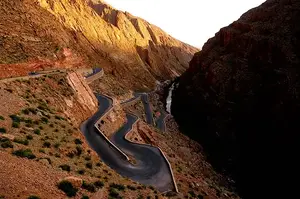
- Mountain passes including the famous Tizi n’Tichka
- Coastal charm if you want Atlantic breezes
- Recovery days built in — because you’ll need them
The route I’m sharing covers approximately 2,200 kilometers. Sounds like a lot? It’s manageable when spread across 14 days with strategic overnight stops.
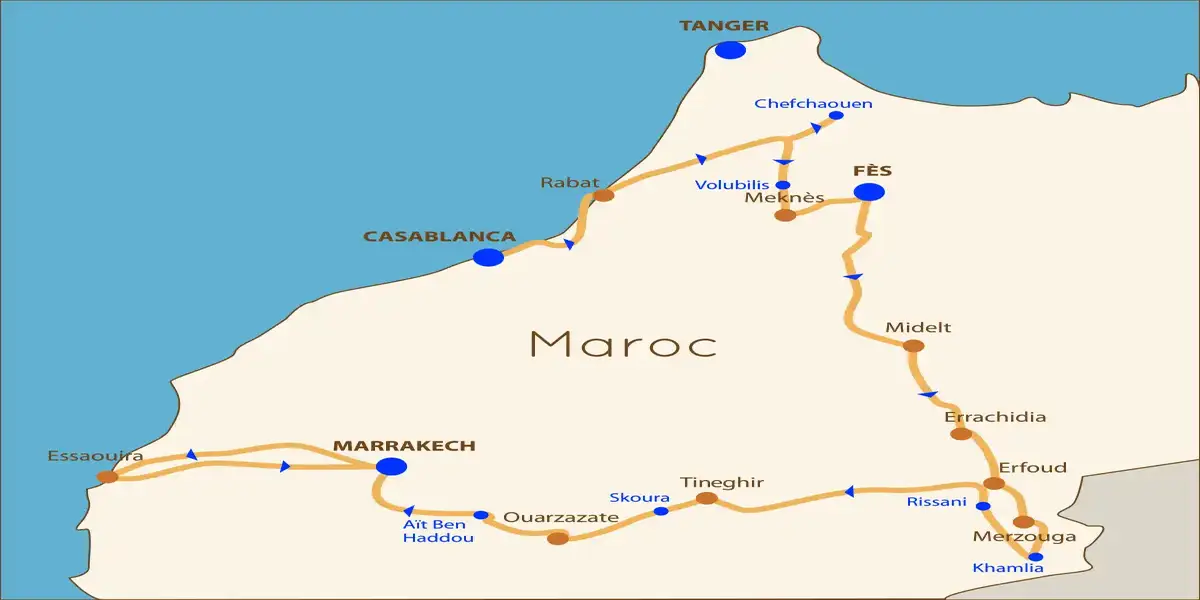
Your Complete Day-by-Day Morocco Road Trip Itinerary
This best 14-day Morocco route creates a logical loop starting and ending in Marrakech. It moves counterclockwise, hitting the desert midway when your energy is still high.
Day 5: Tinghir → Merzouga (Erg Chebbi)
Distance: 220 km
Driving time: 3.5-4 hours
Route: N10 then R702
Desert day. The landscape transforms as you approach Erfoud — suddenly, palm oases interrupt the hammada (rocky desert). Stock up on water and snacks in Erfoud; services become sparse beyond.
Arriving at Merzouga, you’ll see them: the massive orange dunes of Erg Chebbi rising from the flat desert floor. Check into your desert camp, then prepare for the camel trek into the dunes. Watching sunset from atop a dune, then sleeping under more stars than you knew existed — this is why you came.
Accommodation: Desert camp (700-2,500 MAD including dinner, camel trek, breakfast)
Day 9: Fes → Chefchaouen
Distance: 200 km
Driving time: 3.5-4 hours
Route: A4 motorway then N13
The drive to Chefchaouen climbs into the Rif Mountains. As you approach, the famous blue city reveals itself slowly — first a glimpse of blue walls, then entire streets washed in every shade of azure.
Spend the afternoon wandering. Every corner is photogenic. The blue paint originally had practical purposes (keeping mosquitoes away, or religious significance depending on who you ask), but now it’s simply beautiful. Sit in Plaza Uta el-Hammam as evening falls.
Accommodation: Guesthouse in Chefchaouen (400-900 MAD)
Day 12: Rabat → Casablanca → El Jadida
Distance: 190 km
Driving time: 2.5-3 hours
Route: A3 and coastal roads
Quick stop in Casablanca — the Hassan II Mosque is Africa’s largest and the only mosque in Morocco open to non-Muslims for tours. Book ahead if possible. The interior will leave you speechless.
Continue to El Jadida, a former Portuguese fortress town. The underground cistern (featured in Game of Thrones) is hauntingly beautiful. Sleep near the ramparts.
Accommodation: Riad in El Jadida (400-800 MAD)
Itinerary Variations: Shorter or Longer Trips
Not everyone has exactly two weeks in Morocco. Here’s how to adapt:
10-12 Day Accelerated Route
Cut Tangier and Rabat. From Chefchaouen, drive directly to Casablanca (5 hours), then Marrakech. You lose the northern coast but keep the essential experiences.
17-21 Day Extended Route
Add Dakhla in the Western Sahara — an extra 4-5 days. Also consider Meknes, Volubilis Roman ruins, or more time in each city.
Realistic Driving Times: What Google Maps Won’t Tell You
Google Maps lies. Or rather, it doesn’t account for:
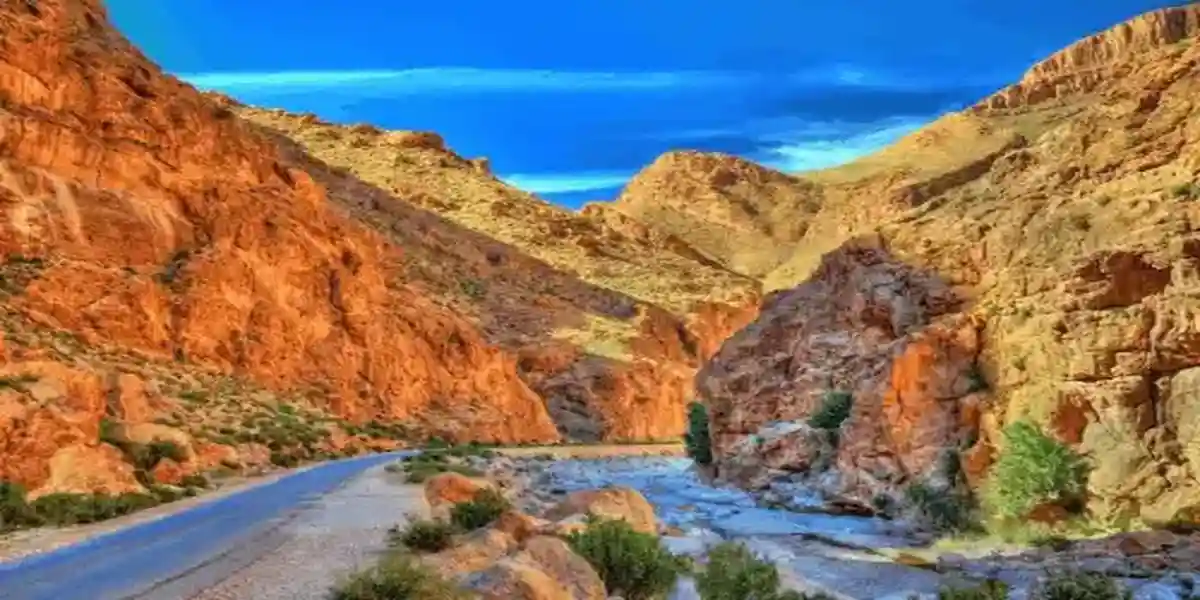
- Mountain passes with switchbacks requiring slow speeds
- Donkeys, sheep, and goats crossing roads
- Photo stops (you will stop constantly)
- Police checkpoints (always polite, usually quick)
- Unpaved sections that appear without warning
For full details on driving conditions and road rules in Morocco, check our dedicated guide.
Choosing Your Vehicle
The eternal question: do you need a 4×4?
Regular car (SUV compact recommended): Fine for 90% of this itinerary. The roads to Merzouga are now paved. A Dacia Duster or similar handles everything comfortably.
4×4 required only for:
- Erg Chigaga (different desert, requires off-road)
- Remote mountain villages
- Winter driving in the Atlas (snow possible December-February)
Where to Stay: From Kasbahs to Riads
Morocco’s accommodation is part of the experience:
Riads: Traditional courtyard houses, perfect for cities. Expect 400-1,500 MAD depending on luxury level.
Kasbahs: Restored fortresses in the south. Ouarzazate and Dades have spectacular options. 500-2,000 MAD.
Desert Camps: Ranging from basic bivouac to luxury glamping. 700-3,000 MAD including meals and camel trek.
Budget hotels: Basic but functional, 200-400 MAD. Fine for transit towns like Midelt.
Budget Breakdown: What This Trip Actually Costs
Health & Safety Essentials
Pharmacy kit:
- Rehydration salts (heat + altitude = dehydration)
- Stomach medication (new food, new bacteria)
- Sunscreen SPF50+ and lip balm
- Basic first aid supplies
Water: Bottled only for drinking. Tap water varies in safety. Buy large bottles to reduce plastic waste.
Night driving: Avoid it. Unlit vehicles, pedestrians in dark clothing, wandering animals — the risks multiply after dark.
For comprehensive information about road trip logistics and safety, check our detailed resource.
The Route at a Glance
For more alternative Morocco road trip routes including shorter circuits, explore our route planning guide.
| Day | Route | Distance | Highlight |
|---|---|---|---|
| 1-2 | Marrakech | — | Medina, souks, gardens |
| 3 | Marrakech → Ouarzazate | 190 km | Tizi n’Tichka, Ait Benhaddou |
| 4 | Ouarzazate → Tinghir | 170 km | Dades Gorge, Todra Gorge |
| 5 | Tinghir → Merzouga | 220 km | Erg Chebbi dunes |
| 6 | Merzouga → Midelt | 280 km | Ziz Valley |
| 7 | Midelt → Fes | 200 km | Ifrane, cedar forests |
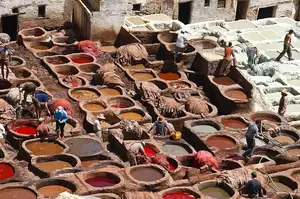
| 8 | Fes | — | Medina, tanneries |
| 9 | Fes → Chefchaouen | 200 km | Blue city |
| 10 | Chefchaouen → Tangier | 115 km | Rif Mountains, Kasbah |
| 11 | Tangier → Rabat | 250 km | Hassan Tower, Udayas |
| 12 | Rabat → El Jadida | 190 km | Hassan II Mosque, cistern |
| 13 | El Jadida → Marrakech | 350 km | Essaouira |
| 14 | Marrakech departure | — | Final shopping |
Final Thoughts
A Morocco 14-day road trip isn’t just about ticking off destinations. It’s about that moment when the desert opens up before you. The surprise of snow in the Middle Atlas. The chaos of Fes that somehow starts making sense. The kindness of strangers who invite you for tea.
This Morocco itinerary 14 days plan gives you the framework. What you discover along the way — that’s yours to find.
Ready to start planning? Visit our Morocco travel homepage for more guides, tips, and inspiration.