

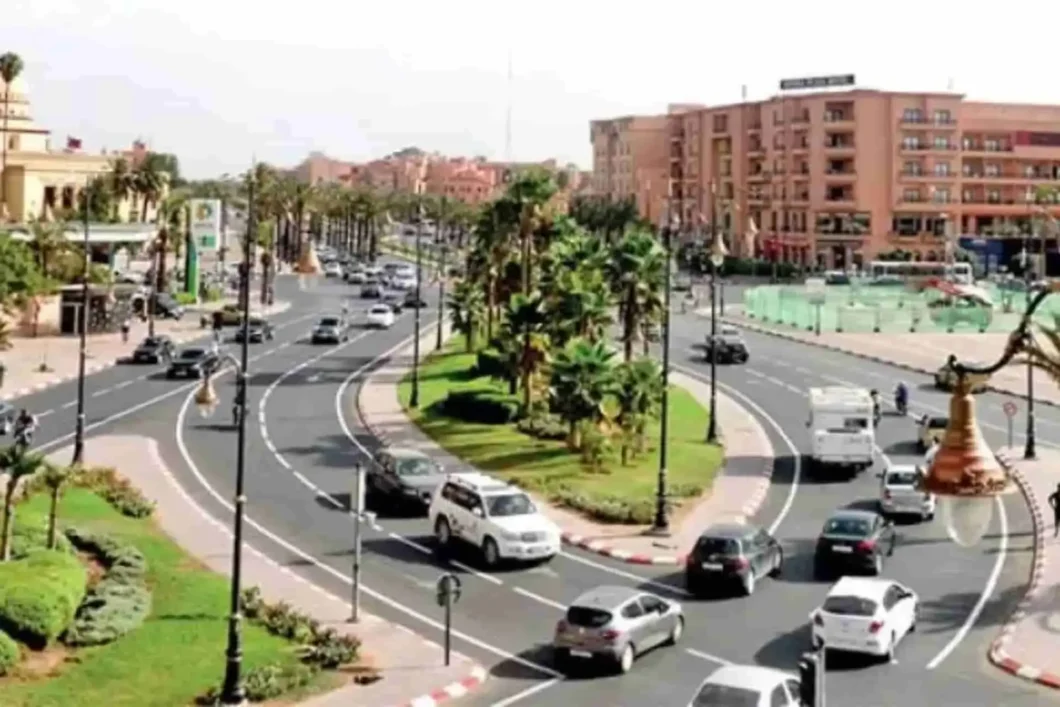
Here’s a question nobody asks before booking their Morocco road trip: What happens when two cars arrive at an unmarked intersection at exactly the same time? You’d think the answer would be simple. After all, most countries have clear rules. But in Morocco, the legal answer and the street reality don’t always match.
If you’ve driven in Marrakech, Casablanca, or even smaller cities like Essaouira, you’ve probably noticed something: intersections feel like negotiation zones. There are Morocco driving rules on paper, and then there’s what actually happens when you’re behind the wheel. Understanding both is the difference between smooth sailing and white-knuckle stress.
Let me be clear: Morocco traffic laws for tourists exist, and they’re mostly straightforward. The country follows a modified version of French traffic regulations. But the execution? That’s where things get interesting. Whether you’re navigating driving in Marrakech roundabouts or trying to decode yield signs Morocco, you’ll quickly realize that local customs, vehicle size, and even eye contact play a bigger role than you’d expect.
So let’s break down the real urban driving tips Morocco you actually need. No fluff, no generic advice. Just the logistics that’ll keep you safe, sane, and moving forward.
The Legal Reality vs. The Street Reality
On paper, Morocco follows the priorité à droite rule. That means at unmarked intersections, vehicles approaching from the right have priority. Simple enough, right?
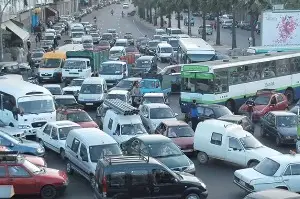
Except here’s the catch: that rule assumes everyone knows it, respects it, and follows it. In practice, Moroccan intersections operate on a different set of unwritten principles. The “biggest vehicle wins” mentality is alive and well. Buses, trucks, and even confident petit taxis will edge forward regardless of who technically has the right of way.
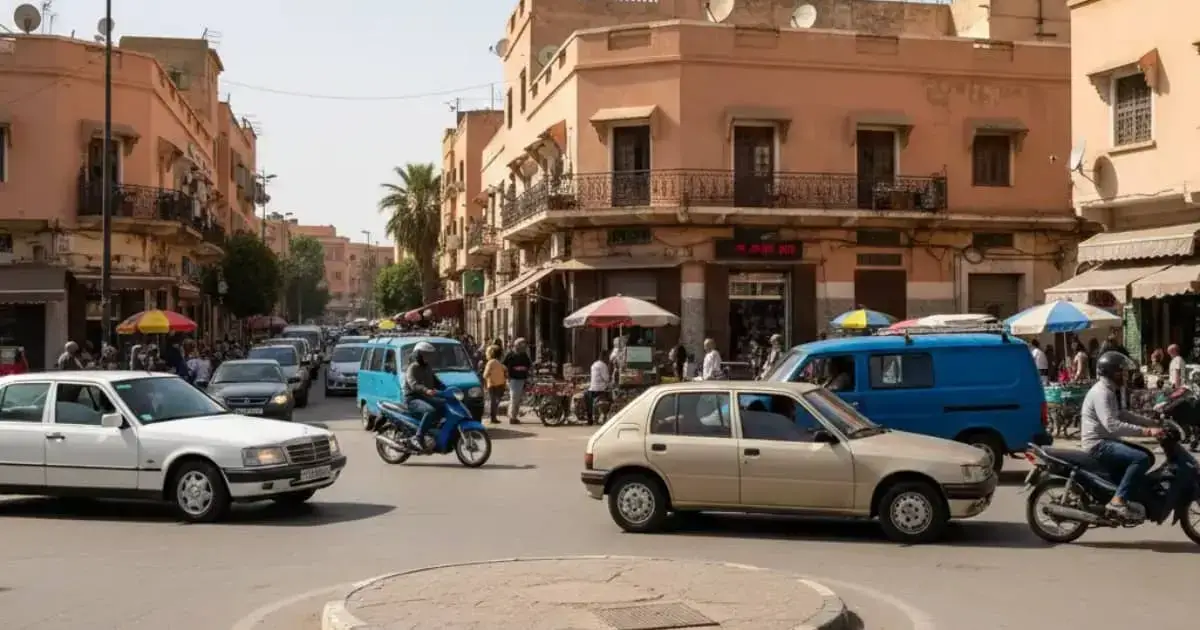
Now here’s where it gets tricky. If you’re driving a rental car and you hesitate at an intersection where you have priority, the driver behind you might not expect it. Rear-end collisions happen precisely because of this mismatch between legal expectations and street behavior. On the flip side, if you confidently assert your right of way when a larger vehicle is approaching from the left, you risk a side collision.
So what’s the solution? Defensive driving isn’t just advice here; it’s survival. Approach every unmarked intersection as if nobody will yield. Slow down enough to react, but don’t come to a complete stop unless absolutely necessary. Watch the other driver’s eyes. If they’re not looking at you, they’re not stopping for you.
And here’s a pro tip that locals use: if you’re unsure who should go first, make brief eye contact with the other driver and use small hand gestures. A quick wave or nod can communicate intent faster than any traffic rule. It sounds informal, but it works.
The key takeaway? Trust signs, not instincts. If there’s a yield sign, follow it religiously. If there’s no sign, treat the intersection like a negotiation, not a right.
The Great Roundabout Mystery
If there’s one traffic feature that confuses tourists more than anything else in Morocco, it’s roundabouts. And for good reason: the rules have evolved, but not everyone got the memo.
Historically, Morocco followed an old French rule where vehicles entering the roundabout had priority over those already inside. Yes, you read that right. This was the norm for decades. But in recent years, Morocco officially switched to the international standard: priority to vehicles already engaged in the roundabout.
The problem? Many Moroccan drivers still operate under the old system, especially in smaller towns or older neighborhoods. Meanwhile, tourists (and even some locals) follow the new rule. The result is chaos.
So how do you navigate driving in Marrakech roundabouts without incident? Here’s the logistics breakdown:
- Look for road markings. If there’s a stop line or dashed line before the roundabout entrance, it’s a clear indicator that you must yield to traffic inside.
- Check for yield signs. Modern roundabouts in cities like Rabat, Casablanca, and Marrakech now have clear yield signs Morocco posted at entries. If you see one, follow it.
- When in doubt, follow a local. Petit taxis are your best guide. Watch how they approach roundabouts. If they slow down and wait, you should too. If they charge in confidently, that might signal an old-school roundabout where entering traffic still takes priority.
- Positioning matters. Stay in the middle of your lane inside the roundabout. Don’t hug the inner or outer edge too closely, as drivers will try to squeeze past or cut you off when exiting.
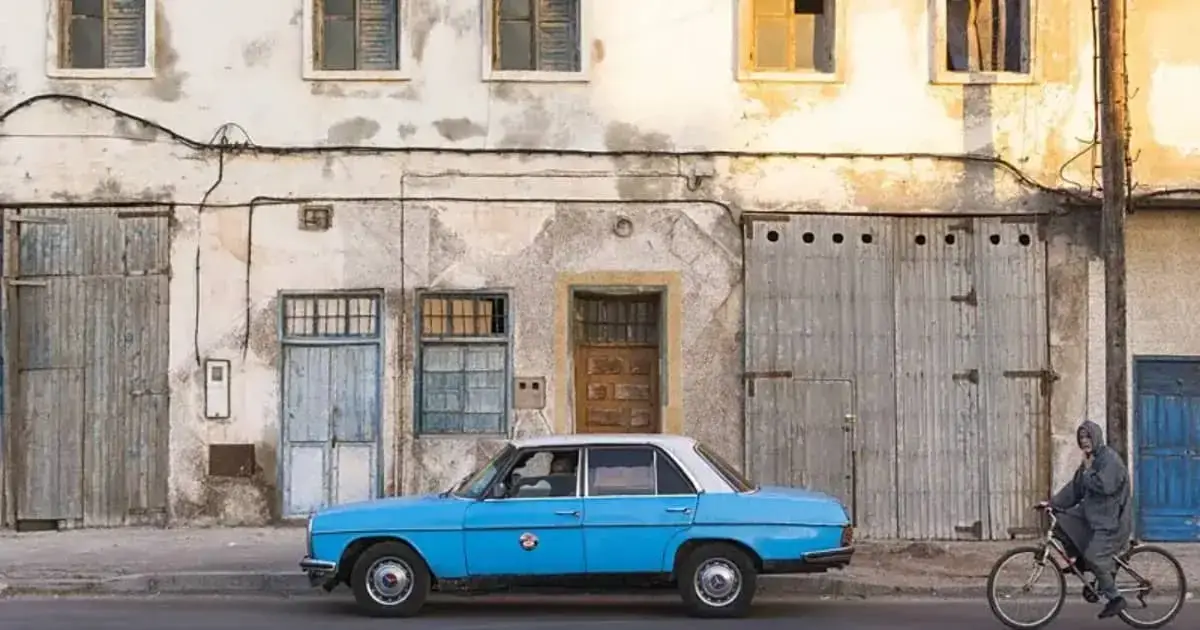
The roundabout confusion isn’t just a tourist problem. Even Moroccans complain about it. In cities like Fes or Meknes, where roundabouts are plentiful and signage is inconsistent, you’ll see hesitation, honking, and last-second swerves. The best approach is to drive with hyper-awareness and accept that not everyone will follow the same rulebook.
Grand Taxis & Delivery Bikes: The Wildcards
Let’s talk about the two types of vehicles that operate by their own set of rules: Grand Taxis and delivery motorcycles.
Unmarked Intersections in the Cities
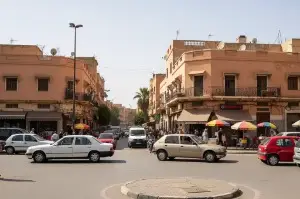
In residential neighborhoods across Morocco, from Gueliz in Marrakech to Agdal in Rabat, you’ll encounter countless unmarked intersections. No signs. No lights. No painted lines. Just two roads meeting, with cars approaching from multiple directions.
These intersections are where the priorité à droite rule technically applies. But as we’ve established, “technically” doesn’t always translate to reality. Here’s how to handle them:
The Role of the Horn (Le Klaxon)
In many Western countries, honking is considered aggressive or rude. In Morocco, it’s a communication tool. Understanding when and how to use your horn is an essential part of urban driving tips Morocco.
Here’s the Moroccan honking guide:
- Short beep before a blind intersection: “I’m here, don’t pull out.”
- Quick double beep: “Hey, I’m passing you” (used on narrow streets or when overtaking).
- Long, sustained honk: Frustration or anger. Avoid using this unless absolutely necessary.
- Friendly tap: “Thank you” or acknowledgment after someone lets you merge.
In cities like Fes, where the medina edges are crisscrossed with tight alleys and unmarked turns, you’ll hear constant honking. It’s not road rage; it’s logistical coordination. Drivers are alerting each other to their presence because sight lines are terrible.
When you’re driving in Morocco, don’t be afraid to use your horn. A polite beep can prevent accidents. Just avoid the angry, prolonged honks that escalate tension.
Survival Checklist: Intersection Logistics
Let’s consolidate everything into a scannable checklist you can reference before hitting the road. These are the non-negotiable Morocco traffic laws for tourists and street-smart tactics that’ll keep you moving safely:
Driving in Morocco isn’t about perfection. It’s about adaptation. The sooner you accept that legal rules and street reality operate in parallel, the faster you’ll find your rhythm. Approach every intersection with caution, respect the size of the vehicle beside you, and when in doubt, follow the locals. That’s the real Morocco driving rules playbook.