Morocco Road Trip: Exploring the Draa Valley Oasis

If you’re planning a Morocco road trip, the Draa Valley deserves a prime spot on your itinerary. This isn’t just another scenic drive through the desert. It’s Morocco’s longest oasis, stretching over 200 kilometers of palm groves, ancient kasbahs, and traditional Berber villages that look like they’ve been frozen in time.

We discovered the Draa Valley during our three-week southern Morocco road trip, and honestly, it was one of those unexpected highlights that completely blew us away. The drive from Ouarzazate to M’Hamid takes you through landscapes that shift from rugged mountains to endless palmeraies, with the occasional kasbah rising from the earth like a mirage.

What makes this valley special isn’t just the scenery. It’s the feeling of driving through centuries of history, where life still follows the rhythms of traditional agriculture and the call to prayer echoes across mud-brick villages. This is authentic Morocco, far from the tourist crowds of Marrakech or Fes.

Why the Draa Valley Is a Must-See on a Morocco Road Trip

The Draa Valley oasis is the longest palm grove in Morocco, stretching from the foothills of the Anti-Atlas Mountains all the way to the edge of the Sahara Desert. When you’re driving through the Draa Valley, you’re essentially following an ancient caravan route that connected sub-Saharan Africa to the Mediterranean.
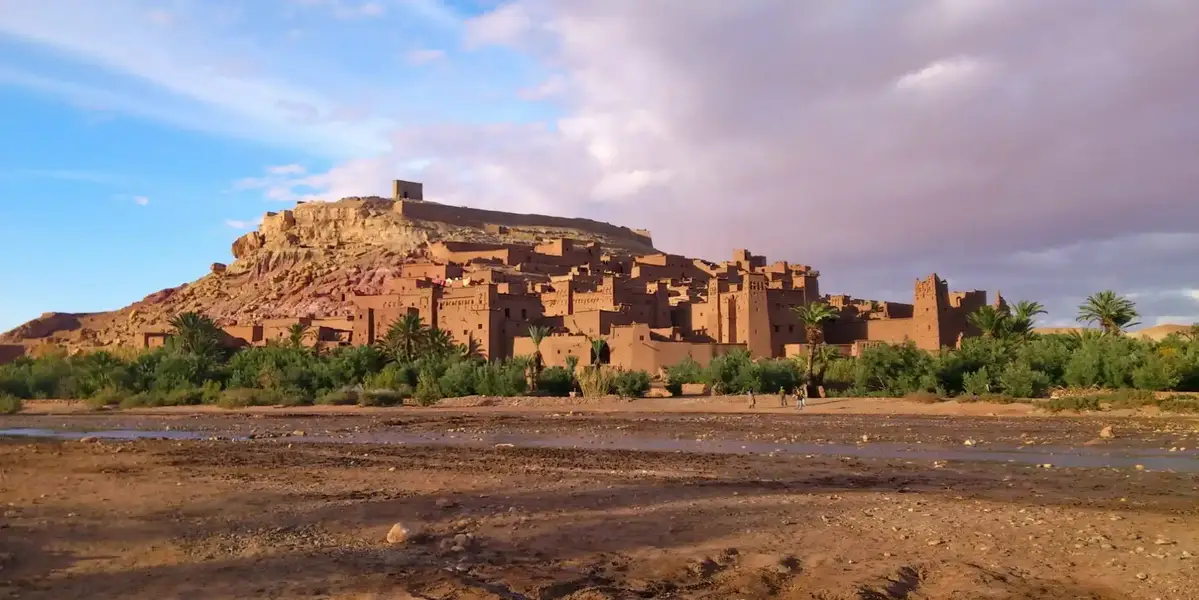
The landscape here is remarkable. On one side, you have date palms creating a lush green corridor. On the other, barren mountains and desert stretches that remind you just how precious water is in this part of the world. The contrast is stunning, especially during sunrise or sunset when the light turns everything golden.

Traditional kasbahs dot the valley, many still inhabited by families who have lived here for generations. These aren’t museum pieces – they’re working villages where you can see how people have adapted to life in one of Morocco’s most challenging environments. The ksours (fortified villages) are built from pisé, a mix of mud and straw that keeps interiors cool even when temperatures soar outside.

The route itself is spectacular. Unlike many Moroccan roads that can be challenging, the main highway through the Draa Valley is well-maintained and offers countless photo opportunities. Every bend reveals something new – a palm grove oasis, a crumbling kasbah, or a shepherd guiding his flock across the road.

Where the Draa Valley Is & How to Get There

The Draa Valley runs roughly parallel to the N9 and N12 highways, starting just south of Ouarzazate and continuing down to M’Hamid El Ghizlane, where the asphalt ends and the real desert begins. Most travelers approach from Ouarzazate, which is about 200 kilometers from Marrakech.

Here are the key distances you need to know for planning your Draa Valley itinerary:

  • Ouarzazate to Agdz: 90 kilometers (about 1 hour 15 minutes)
  • Agdz to Zagora: 90 kilometers (approximately 1 hour 30 minutes)
  • Zagora to M’Hamid: 98 kilometers (around 1 hour 45 minutes)

The road conditions are generally excellent on the main N9 highway. It’s a two-lane road that’s been recently resurfaced in most sections. You can comfortably maintain 80-90 km/h, though you’ll want to slow down through villages and be alert for livestock crossing.

Weather-wise, the best time to visit the Draa Valley is between October and April. Summer temperatures can hit 45°C (113°F) in the shade, making exploration pretty uncomfortable. Winter brings pleasant days around 20-25°C, though nights can get surprisingly cold, especially if you’re camping near the desert.

Best Places to Visit in the Draa Valley

Each town along the Draa Valley scenic drive has its own character and attractions. Here’s what you absolutely shouldn’t miss.

Agdz

Agdz marks the official beginning of the Draa Valley oasis. It’s a small town that most travelers pass through without stopping, which is a mistake. This is where the landscape transforms from barren mountains into the first glimpses of the famous palmeraie.
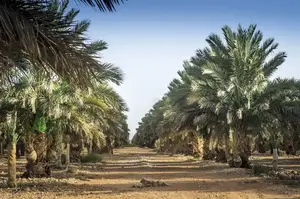
From Agdz, you get your first proper view of the valley spreading out below, with the Jebel Kissane mountain providing a dramatic backdrop. The town itself is nothing fancy – a few shops, some basic restaurants, and a handful of guesthouses. But it’s authentic, and that’s what makes it special.

The real attraction here is the proximity to Tamnougalt, which is just 6 kilometers south. Many travelers base themselves in Agdz because it’s quieter than Zagora but still convenient for exploring the valley. The locals are friendly, and you’ll find good traditional restaurants where you can try authentic Moroccan dishes without the tourist markup.

If you have time, take a walk along the edge of the palm groves. There are irrigation channels running through the area that have been maintained for centuries, and watching farmers work their small plots gives you real insight into how life here has continued largely unchanged for generations.
Read More: Best Places to Visit in the Draa Valley →

Tamnougalt Kasbah

The Kasbah Tamnougalt is one of the oldest and most impressive fortifications in the Draa Valley. Built in the 16th century, it served as the former capital of the region and home to the local caïd (chief).

Walking through Tamnougalt feels like stepping back several centuries. The kasbah’s towers rise above a maze of narrow alleyways where donkeys still carry goods and children play in the dirt streets. Parts of the original structure are crumbling, but that only adds to its authentic charm.

You can visit a traditional Berber house that’s been opened to visitors. Inside, you’ll see how rooms are arranged around a central courtyard, with separate areas for men and women, storage for dates and grains, and beautifully decorated reception rooms with intricate wooden ceilings and plaster work.

The views from the upper levels are spectacular – you can see the entire oasis stretching out, with date palms creating a green ribbon through the brown landscape. Climb up early morning or late afternoon when the light is best, and you’ll understand why photographers love this place.

There’s a small entrance fee (around 20-30 dirhams), and local guides are available if you want deeper insight into the kasbah’s history. Even without a guide, just wandering through the village is an experience. This is living history, not a preserved tourist site.

Zagora

Zagora is the main hub of the Draa Valley and most travelers’ base for exploring the region. It’s bigger and more developed than Agdz, with actual hotels, restaurants, and services you might need.

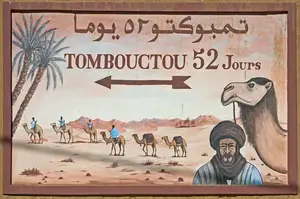
The town’s claim to fame is the iconic sign at the edge of town: “Tombouctou 52 jours” (Timbuktu 52 days). This refers to the camel caravan journey time to Timbuktu in Mali, a reminder that Zagora was once a major trading post on the trans-Saharan trade routes.

Beyond the sign, Zagora offers a good base for desert excursions. Many tour operators here can arrange trips to nearby dunes, though the real sand seas are further south at Erg Chigaga or east at Erg Chebbi near Merzouga.

The Wednesday souk (market) is worth timing your visit for. It’s less touristy than markets in bigger cities, and you’ll see locals trading everything from livestock to traditional textiles. Just remember to be respectful – this is a working market, not a show for tourists.

M’Hamid

M’Hamid sits at the end of the paved road, where civilization meets the Sahara. This small town is literally the gateway to Erg Chigaga, one of Morocco’s largest and most remote sand dune fields.

There’s not much to M’Hamid itself – it’s dusty, basic, and frankly a bit rough around the edges. But that’s exactly the point. This is where you come when you want to escape into the desert properly, away from the tourist circus of Merzouga.

Most visitors use M’Hamid as a launching point for multi-day desert expeditions. The Erg Chigaga dunes are about 60 kilometers into the desert, accessible only by 4×4 or camel. These dunes can reach 300 meters high and stretch for 40 kilometers – it’s proper Sahara experience.

If you’re not up for a full desert adventure, you can still get a taste of the Sahara with shorter trips to nearby dune fields. Many guesthouses in M’Hamid offer sunset camel rides or 4×4 excursions that give you a sense of the desert without committing to overnight camping.

Exploring the Palm Groves — Walks & Lookouts

The palm groves of the Draa Valley are more than just scenery – they’re a functioning agricultural ecosystem that’s been maintained for over a thousand years. Walking through the palmeraies gives you real insight into how people have survived in this harsh environment.
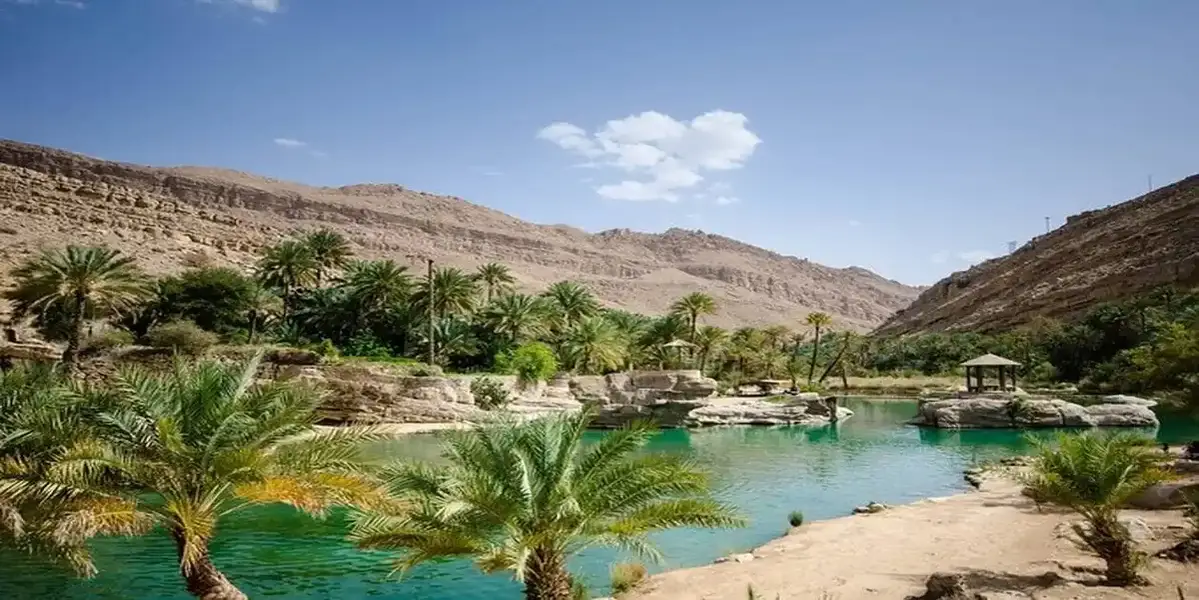
The best way to experience the palm groves is on foot. You can’t really drive through most of them, and honestly, that’s better. Walking lets you notice the intricate irrigation systems that channel water from the Draa River through a network of seguias (channels) to individual plots.

The palmeraies are organized in three layers – date palms on top providing shade, fruit trees (figs, pomegranates, apricots) in the middle layer, and vegetables at ground level. This traditional agricultural system, called a “ghout,” maximizes the use of limited water and creates a microclimate that makes cultivation possible.

For the best viewpoints, head to any of the high points along the valley edge. The Jebel Kissane near Agdz offers spectacular panoramas, and there are several spots along the road where you can pull over safely and take in the views. Early morning is magical when mist rises from the palms, and late afternoon gives you that golden light that makes everything photogenic.

Several villages offer guided walks through their palm groves. These typically last 2-3 hours and include visits to traditional homes and explanations of how the irrigation systems work. It’s worth doing at least once – you’ll learn things you’d never figure out on your own.

The Kasbahs of the Draa Valley

The kasbahs and ksours of the Draa Valley are architectural marvels that tell the story of how people adapted to life on the edge of the Sahara. These aren’t just historical monuments – many are still inhabited and maintained by local families.

Kasbah Tamnougalt, as mentioned earlier, is probably the most impressive and accessible. But there are many others worth visiting:

The Kasbah of Amezrou, just outside Zagora, is known for its Jewish quarter and traditional silver jewelry workshops. The Jewish community here played a crucial role in trade and crafts before emigrating to Israel in the mid-20th century. You can still visit some of the old synagogues and workshops.

Ksar Tissergate functions as a small museum showcasing traditional Berber life. It’s well-preserved and gives you a clear idea of how defensive these structures were, with narrow entrances, lookout towers, and thick walls designed to withstand both weather and potential attacks.

Ksar Ouled Youssef, between Agdz and Zagora, is more off the beaten path but worth the detour if you have time. It’s partially ruined, which gives it an atmospheric quality. Local kids will probably offer to show you around – a small tip (20-30 dirhams) is appropriate if you accept.

The Kasbah des Caïds near Tamnougalt was the residence of local rulers. While you can’t enter all of it, the exterior alone is impressive, with decorative geometric patterns on the walls and towers that served both defensive and decorative purposes.

What makes these kasbahs special is the pisé construction technique. This mixture of earth, straw, and water creates walls that stay cool in summer and warm in winter. However, it requires constant maintenance – heavy rains can damage the structures, which is why you’ll often see kasbahs in various states of repair.

Experiencing Traditional Villages

Beyond the kasbahs and palm groves, the real heart of the Draa Valley lies in its traditional Berber villages. These settlements have maintained their way of life for centuries, and visiting them offers genuine cultural insight you won’t find in Morocco’s bigger cities.
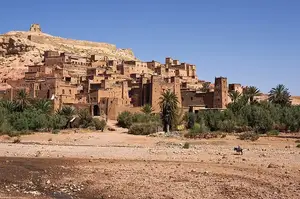
Daily life in these villages follows ancient patterns. Women fetch water from communal wells or irrigation channels, men tend to date palms and small plots of vegetables, and children help with whatever tasks their age allows. It’s hard work, but there’s a sense of community that’s rare in modern life.

The souks in villages like Zagora or Alnif provide a window into local trade. These aren’t tourist markets – they’re where farmers sell produce, craftspeople offer their wares, and families stock up on supplies. You’ll find everything from fresh vegetables to traditional textiles, pottery, and metalwork.

Traditional crafts are still practiced in many villages. Silver jewelry making is particularly important in the Draa Valley, with techniques passed down through generations. The Amazigh (Berber) jewelry designs are distinctive, often featuring geometric patterns and symbolic motifs. If you’re interested, many workshops welcome visitors who want to watch the process.

Tamnougalt Kasbah

The Kasbah Tamnougalt is one of the oldest and most impressive fortifications in the Draa Valley. Built in the 16th century, it served as the former capital of the region and home to the local caïd (chief).

Walking through Tamnougalt feels like stepping back several centuries. The kasbah’s towers rise above a maze of narrow alleyways where donkeys still carry goods and children play in the dirt streets. Parts of the original structure are crumbling, but that only adds to its authentic charm.

You can visit a traditional Berber house that’s been opened to visitors. Inside, you’ll see how rooms are arranged around a central courtyard, with separate areas for men and women, storage for dates and grains, and beautifully decorated reception rooms with intricate wooden ceilings and plaster work.

The views from the upper levels are spectacular – you can see the entire oasis stretching out, with date palms creating a green ribbon through the brown landscape. Climb up early morning or late afternoon when the light is best, and you’ll understand why photographers love this place.

There’s a small entrance fee (around 20-30 dirhams), and local guides are available if you want deeper insight into the kasbah’s history. Even without a guide, just wandering through the village is an experience. This is living history, not a preserved tourist site.

Zagora

Zagora is the main hub of the Draa Valley and most travelers’ base for exploring the region. It’s bigger and more developed than Agdz, with actual hotels, restaurants, and services you might need.

[showhide show_caption="Read More: Best Places to Visit in the Draa Valley →" hide_caption="Show Less ↑"]

The town’s claim to fame is the iconic sign at the edge of town: “Tombouctou 52 jours” (Timbuktu 52 days). This refers to the camel caravan journey time to Timbuktu in Mali, a reminder that Zagora was once a major trading post on the trans-Saharan trade routes.

Beyond the sign, Zagora offers a good base for desert excursions. Many tour operators here can arrange trips to nearby dunes, though the real sand seas are further south at Erg Chigaga or east at Erg Chebbi near Merzouga.

The Wednesday souk (market) is worth timing your visit for. It’s less touristy than markets in bigger cities, and you’ll see locals trading everything from livestock to traditional textiles. Just remember to be respectful – this is a working market, not a show for tourists.

M’Hamid

M’Hamid sits at the end of the paved road, where civilization meets the Sahara. This small town is literally the gateway to Erg Chigaga, one of Morocco’s largest and most remote sand dune fields.

There’s not much to M’Hamid itself – it’s dusty, basic, and frankly a bit rough around the edges. But that’s exactly the point. This is where you come when you want to escape into the desert properly, away from the tourist circus of Merzouga.

Most visitors use M’Hamid as a launching point for multi-day desert expeditions. The Erg Chigaga dunes are about 60 kilometers into the desert, accessible only by 4×4 or camel. These dunes can reach 300 meters high and stretch for 40 kilometers – it’s proper Sahara experience.

If you’re not up for a full desert adventure, you can still get a taste of the Sahara with shorter trips to nearby dune fields. Many guesthouses in M’Hamid offer sunset camel rides or 4×4 excursions that give you a sense of the desert without committing to overnight camping.

Exploring the Palm Groves — Walks & Lookouts

The palm groves of the Draa Valley are more than just scenery – they’re a functioning agricultural ecosystem that’s been maintained for over a thousand years. Walking through the palmeraies gives you real insight into how people have survived in this harsh environment.

The best way to experience the palm groves is on foot. You can’t really drive through most of them, and honestly, that’s better. Walking lets you notice the intricate irrigation systems that channel water from the Draa River through a network of seguias (channels) to individual plots.

The palmeraies are organized in three layers – date palms on top providing shade, fruit trees (figs, pomegranates, apricots) in the middle layer, and vegetables at ground level. This traditional agricultural system, called a “ghout,” maximizes the use of limited water and creates a microclimate that makes cultivation possible.

Read More:the Palm Groves →

For the best viewpoints, head to any of the high points along the valley edge. The Jebel Kissane near Agdz offers spectacular panoramas, and there are several spots along the road where you can pull over safely and take in the views. Early morning is magical when mist rises from the palms, and late afternoon gives you that golden light that makes everything photogenic.

Several villages offer guided walks through their palm groves. These typically last 2-3 hours and include visits to traditional homes and explanations of how the irrigation systems work. It’s worth doing at least once – you’ll learn things you’d never figure out on your own.

The Kasbahs of the Draa Valley

The kasbahs and ksours of the Draa Valley are architectural marvels that tell the story of how people adapted to life on the edge of the Sahara. These aren’t just historical monuments – many are still inhabited and maintained by local families.

Kasbah Tamnougalt, as mentioned earlier, is probably the most impressive and accessible. But there are many others worth visiting:

The Kasbah of Amezrou, just outside Zagora, is known for its Jewish quarter and traditional silver jewelry workshops. The Jewish community here played a crucial role in trade and crafts before emigrating to Israel in the mid-20th century. You can still visit some of the old synagogues and workshops.

Ksar Tissergate functions as a small museum showcasing traditional Berber life. It’s well-preserved and gives you a clear idea of how defensive these structures were, with narrow entrances, lookout towers, and thick walls designed to withstand both weather and potential attacks.

Ksar Ouled Youssef, between Agdz and Zagora, is more off the beaten path but worth the detour if you have time. It’s partially ruined, which gives it an atmospheric quality. Local kids will probably offer to show you around – a small tip (20-30 dirhams) is appropriate if you accept.

The Kasbah des Caïds near Tamnougalt was the residence of local rulers. While you can’t enter all of it, the exterior alone is impressive, with decorative geometric patterns on the walls and towers that served both defensive and decorative purposes.

What makes these kasbahs special is the pisé construction technique. This mixture of earth, straw, and water creates walls that stay cool in summer and warm in winter. However, it requires constant maintenance – heavy rains can damage the structures, which is why you’ll often see kasbahs in various states of repair.

Experiencing Traditional Villages

Beyond the kasbahs and palm groves, the real heart of the Draa Valley lies in its traditional Berber villages. These settlements have maintained their way of life for centuries, and visiting them offers genuine cultural insight you won’t find in Morocco’s bigger cities.

Daily life in these villages follows ancient patterns. Women fetch water from communal wells or irrigation channels, men tend to date palms and small plots of vegetables, and children help with whatever tasks their age allows. It’s hard work, but there’s a sense of community that’s rare in modern life.

The souks in villages like Zagora or Alnif provide a window into local trade. These aren’t tourist markets – they’re where farmers sell produce, craftspeople offer their wares, and families stock up on supplies. You’ll find everything from fresh vegetables to traditional textiles, pottery, and metalwork.

Traditional crafts are still practiced in many villages. Silver jewelry making is particularly important in the Draa Valley, with techniques passed down through generations. The Amazigh (Berber) jewelry designs are distinctive, often featuring geometric patterns and symbolic motifs. If you’re interested, many workshops welcome visitors who want to watch the process.

Read More:Experiencing Traditional Villages →

Pottery is another traditional craft. The clay comes from the valley itself, and potters still use traditional foot-operated wheels. The finished pieces – tagines, storage jars, serving bowls – are functional items used daily in local homes, not just tourist souvenirs.

When visiting these villages, respect is crucial. This is the Amazigh culture you’re experiencing, with its own traditions and sensibilities. Always ask before taking photos of people, dress modestly (covering shoulders and knees), and remember that homes and religious spaces are private unless you’re explicitly invited in.

If someone invites you for mint tea, accept if you can. This is a significant gesture of hospitality in Moroccan culture. You’ll likely sit on cushions around a low table, and the tea preparation itself is a ritual worth observing. The first glass is strong, the second sweeter, and the third mild – there’s a saying that captures this: “The first glass is as bitter as life, the second as strong as love, the third as gentle as death.”

Best Activities in the Draa Valley

The Draa Valley offers more than just scenic drives. Here are the activities we’d recommend based on our experience and what other travelers have told us works well.

Walking through the palmeraies is our top pick. As mentioned earlier, these walks give you intimate access to the valley’s agricultural systems and traditional life. Most villages can arrange guided walks, or you can simply follow the paths through the palm groves on your own. Just be respectful of private property.

Sunrise and sunset photography in the Draa Valley is spectacular. The angle of light transforms the already impressive landscape into something magical. The kasbahs glow golden, the mountains turn purple, and the palm groves create patterns of light and shadow. Key spots include viewpoints above Agdz, any high ground near Tamnougalt, and the desert edges near M’Hamid.

Visiting ksours and kasbahs should be on everyone’s list. Beyond Tamnougalt, explore some of the smaller, less-visited fortifications. Each has its own story, and local families are often happy to show you around for a small tip.

Bicycle tours are increasingly popular in the valley. The terrain is relatively flat, the roads are good, and cycling lets you cover more ground than walking while still experiencing things at a human pace. Several guesthouses in Zagora and Agdz can arrange bike rentals and suggested routes.

Traditional craft workshops offer hands-on experiences. You can try your hand at pottery, watch silver jewelry being made, or learn about traditional textile weaving. These aren’t touristy demonstrations – they’re genuine opportunities to see and participate in crafts that have been practiced for centuries.

Meeting local families can be arranged through your guesthouse or guide. These cultural exchanges involve sharing a meal, usually a traditional tajine or couscous, and conversation about life in the valley. It’s not a formal tour – it’s genuine hospitality, and one of the most memorable experiences you can have in Morocco.

Where to Stay in the Draa Valley

Accommodation in the Draa Valley ranges from basic guesthouses to restored kasbahs with all the comforts. Your choice of base depends on what kind of experience you’re after and how much time you have.

Agdz is our favorite for authentic, low-key accommodation. It’s quieter than Zagora, less touristy, but still close to the main attractions. Several family-run guesthouses offer simple but comfortable rooms and excellent home-cooked meals. You’ll pay around 200-400 dirhams per night for a double room with breakfast.

The advantage of staying in Agdz is that you’re right at the start of the oasis, perfect for early morning walks in the palm groves or visits to Tamnougalt. The town has a few small restaurants and shops for basics, but don’t expect much nightlife or tourist infrastructure.

Zagora offers more services and a wider range of accommodation. You’ll find everything from budget hotels to upscale riads. Prices range from 150 dirhams for a basic room to 800+ dirhams for something more luxurious. Zagora has better restaurants, tour operators, and services like reliable wifi and ATMs.

The downside is that Zagora feels more developed and touristy. It’s not overrun like Marrakech, but you’ll definitely notice more tour groups and organized excursions. For some travelers, this is actually an advantage – it means easier access to guides, transport, and information.

M’Hamid is for travelers who want a desert experience without going all the way to Merzouga. Accommodation here is basic – think guesthouses with simple rooms and shared bathrooms. You’re paying for location more than comfort. Prices are similar to Agdz, around 200-350 dirhams including meals.

The atmosphere in M’Hamid is distinctly desert-edge. It’s dusty, hot, and remote, but that’s exactly why some travelers love it. You can arrange desert excursions easily from here, and the night sky, free from light pollution, is spectacular.

Across all three locations, we’d recommend restored kasbahs if your budget allows. These give you the experience of sleeping in a traditional building while usually offering better comfort than basic guesthouses. Many have rooftop terraces perfect for sunset watching.

Traditional guesthouses (maisons d’hôtes) give you more interaction with local families. You’ll eat with your hosts, get local recommendations, and have a much more authentic experience than staying in a hotel. The tradeoff is less privacy and sometimes more basic facilities.

When to Visit the Draa Valley

Timing your visit to the Draa Valley makes a huge difference to your experience. Get it right, and you’ll have perfect temperatures and beautiful conditions. Get it wrong, and you’ll be hiding from 45°C heat or dealing with cold nights you weren’t prepared for.

October through April is the ideal window. This is when temperatures are comfortable for exploring, usually ranging from 20-28°C during the day. Nights can be cool, especially in December and January, dropping to 5-10°C. Bring layers if you’re traveling in winter months.

October and November are particularly good. The summer heat has faded, but the weather is still warm enough for comfortable exploration. The date harvest happens in October, and you’ll see palms laden with fruit and families working to bring in the crop.

Spring (March and April) brings the valley to life. After winter rains, everything is greener, wildflowers bloom in unexpected places, and the rivers and irrigation channels run full. This is the most photogenic time to visit.

Summer (June through September) is brutally hot. We’re talking 40-45°C regularly, sometimes even higher. Unless you’re extremely heat-tolerant or have a specific reason to visit then, avoid summer. Even locals minimize outdoor activity during midday, and exploring kasbahs or walking in palm groves becomes genuinely unpleasant.

Winter (December through February) can surprise you with how cold nights get. While days are usually pleasant, once the sun goes down, temperatures plummet. If you’re planning desert camping or sleeping in basic accommodation without proper heating, bring warm sleeping gear.

Tips for Driving Through the Draa Valley

Read More: When to Visit & Driving Tips →

Driving the Draa Valley is straightforward compared to some Moroccan routes, but there are things you need to know to stay safe and avoid problems. We learned some of these the easy way, and a few the hard way.

Drive during daylight hours. This seems obvious, but it’s worth emphasizing. The road is shared with livestock, donkey carts, and sometimes people walking in the road. At night, many of these are invisible until you’re dangerously close. Plus, you’ll miss all the scenery that makes this drive special.

Fuel stations become scarce as you head south from Zagora. The last reliable station is in Zagora itself, then nothing until M’Hamid, and that one isn’t always well-stocked. If you’re continuing into the desert or planning extensive exploration, fill up in Zagora and carry extra fuel if possible.

Watch for animals crossing the road. Goats, sheep, donkeys, and even the occasional camel have right of way simply because they don’t care about your car. They move unpredictably, so slow down when you see livestock anywhere near the road. Herders appreciate a courtesy wave.

Police checkpoints are frequent throughout the Draa Valley. These are standard security procedures, not cause for concern. Have your passport, driver’s license, car rental papers, and insurance documents easily accessible. Officers are usually courteous and checks take just a minute or two.

Mobile signal is patchy in parts of the valley, especially between villages. Download offline maps before you leave Ouarzazate or Zagora. We use Maps.me and Google Maps with offline areas downloaded – having both gives you backup if one fails.

The road surface on the main N9 is generally excellent, but watch for sections where sand drifts across the asphalt, especially near M’Hamid. These can be surprisingly slippery, and if you hit them at speed, your car can lose traction.

Parking near kasbahs and in villages is usually informal – just find a spot that doesn’t block anyone and isn’t too far from your destination. Lock your vehicle and don’t leave valuables visible. Petty theft isn’t common, but basic precautions make sense.

For more comprehensive advice, check out our guide to driving in Morocco and road trip logistics.

Add the Draa Valley to Your Road Trip Itinerary

Planning Draa Valley Morocco road trip itineraries depends on how much time you have and what else you want to see. Here are some realistic options that work well.

3-Day Draa Valley Focus (Ouarzazate → Agdz → Zagora)

  • Day 1: Ouarzazate to Agdz, visit Tamnougalt Kasbah, overnight in Agdz
  • Day 2: Explore palm groves, drive to Zagora, visit local souk, sunset viewing
  • Day 3: Morning in Zagora, afternoon drive to M’Hamid for desert excursion

This condensed itinerary gives you the highlights without rushing too much. You’ll see the main kasbahs, experience the palm groves, and get a taste of the desert. It works well if you’re short on time but want the Draa Valley experience.

5-Day Draa Valley + Erg Chigaga

  • Day 1: Ouarzazate to Agdz, Tamnougalt exploration
  • Day 2: Agdz to Zagora, palm grove walks and local village visits
  • Day 3: Zagora to M’Hamid, preparation for desert excursion
  • Day 4: Full day Erg Chigaga desert experience (overnight camping)
  • Day 5: Return from desert, drive back through valley

This version adds proper desert time. The overnight in Erg Chigaga gives you sunset and sunrise over serious dunes, star-gazing, and a real Sahara experience. It’s more expensive (desert excursions cost 800-1500 dirhams per person depending on group size), but worth it if you want more than just photos from the roadside.

7-Day Complete Southern Morocco

  • Day 1: Marrakech to Ouarzazate via Tizi n’Tichka pass
  • Day 2: Ouarzazate to Agdz (visit Aït Benhaddou en route)
  • Day 3: Agdz to Zagora via Tamnougalt
  • Day 4: Zagora to M’Hamid, desert excursion
  • Day 5: Return through Draa Valley, take different route via Dadès Valley
  • Day 6: Dadès Valley to Todra Gorge
  • Day 7: Return to Marrakech via high Atlas passes

This itinerary combines the Draa Valley with other southern Morocco highlights. It’s ambitious but doable if you don’t mind spending significant time driving. You’ll cover a lot of ground and see dramatic variety in landscapes.

Whichever itinerary you choose, factor in that driving in Morocco takes longer than GPS estimates suggest. Add 20-30% to predicted journey times to account for slow sections, photo stops, and the general pace of Moroccan roads.

The Draa Valley rewards travelers who take their time. This isn’t a destination to rush through on your way somewhere else. Give it at least two full days, ideally three or more, and you’ll experience one of Morocco’s most authentic and beautiful regions.

Plan your complete southern Morocco journey with our detailed road trip routes guide, and make sure you’ve sorted out your logistics before you hit the road.