

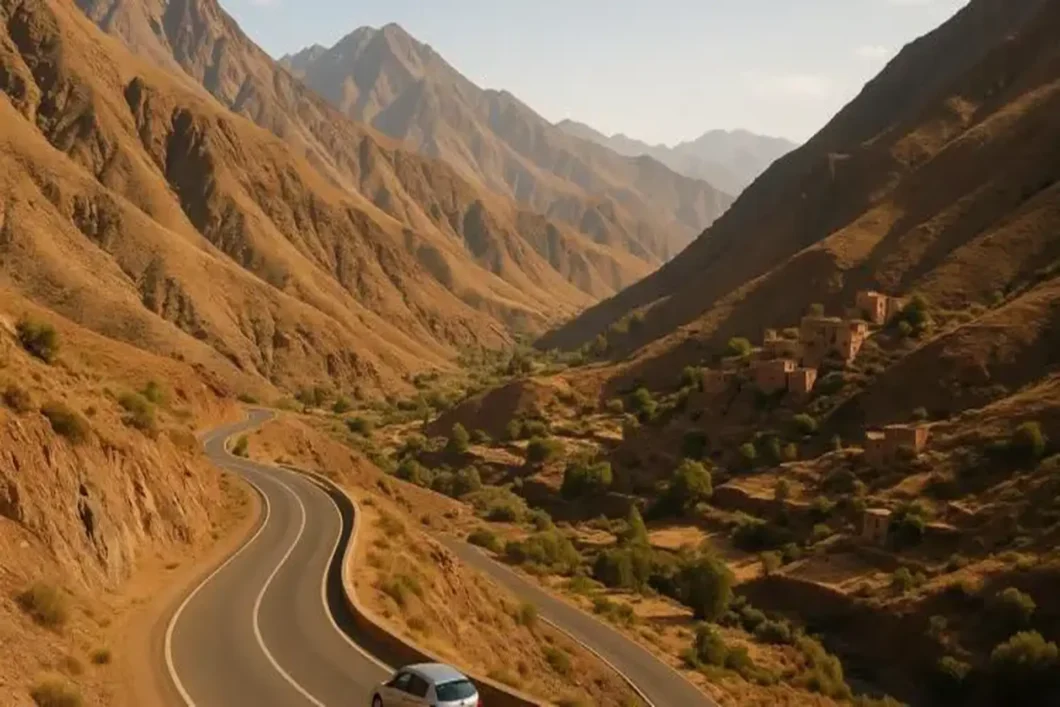
You’re standing at a car rental counter in Marrakech, staring at two very different price tags. The small Dacia Sandero? 300 MAD per day. The SUV? 600 MAD. Double the price. The rental agent leans in: “For the mountains, you need the big one.” But do you really?
This question has burned through more travel budgets than overpriced tagines in Jemaa el-Fna. Every year, thousands of travelers overpay for vehicles they don’t actually need, convinced by rental agents, forum paranoia, or Instagram photos of Land Cruisers conquering sand dunes. Meanwhile, savvy road-trippers are driving the same routes in economy cars, pocketing the difference, and laughing all the way to their next riad.
The truth about small car vs SUV Atlas Mountains Morocco isn’t what the rental companies want you to hear. After driving both vehicle types across every major pass—from the hairpins of Tizi n’Test to the exposed curves of Tizi n’Tichka—I’m pulling back the curtain on what actually matters. This isn’t about bravado or saving a few dirhams. It’s about understanding the real technical demands of Morocco’s mountain roads and matching them to your specific itinerary.
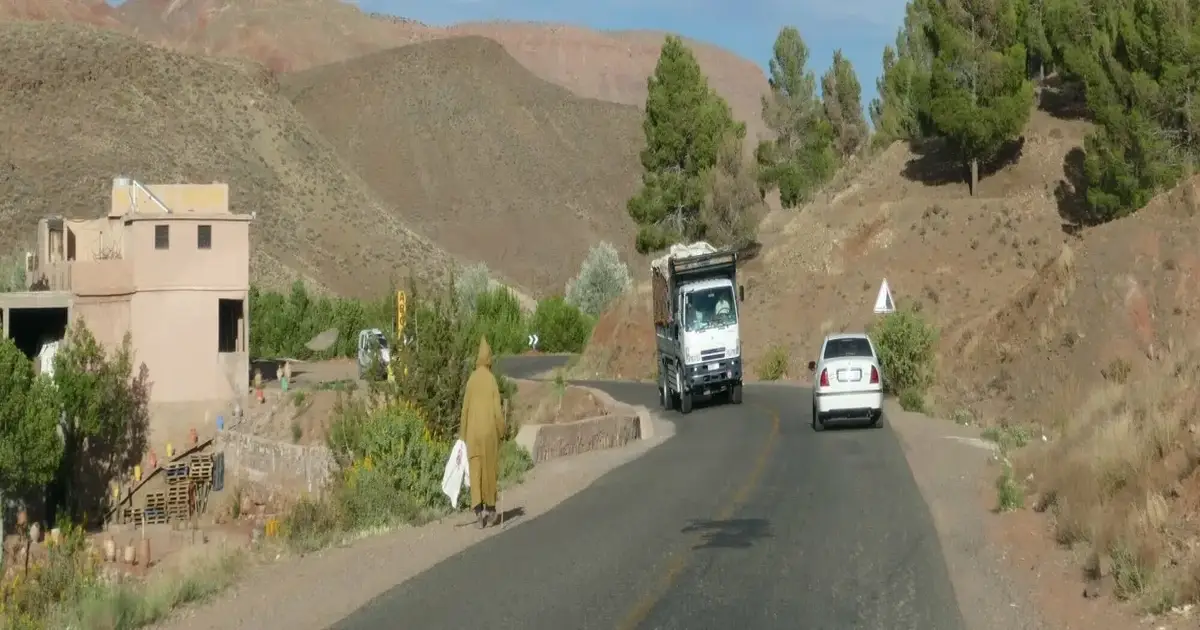
Because here’s what nobody tells you: the vast majority of Morocco’s stunning mountain routes are fully paved. That Instagram-famous kasbah? Paved road. That jaw-dropping gorge? Paved road. Even that “remote” Berber village your guidebook raves about? Probably paved. The question isn’t whether you can make it in a small car—it’s whether the specific challenges of mountain driving actually require the extra power, or if you’re just paying for psychological comfort.
Let’s get into the real numbers, the actual gradients, and the honest assessment you won’t find in rental brochures.
Technical Reality of Atlas Passes
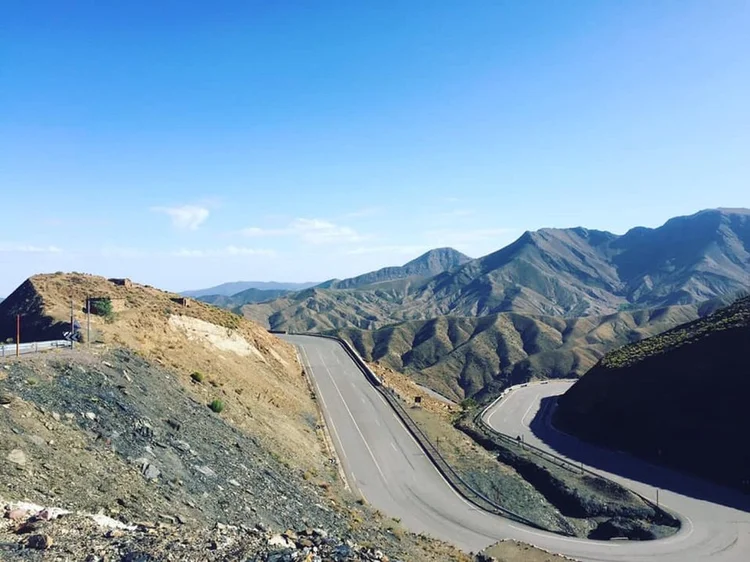
Forget the mystique for a moment. Morocco’s Atlas passes are impressive—but they’re not the Himalayas, and they’re certainly not unpaved goat tracks. Every major tourist route through the Atlas is a modern, engineered road with safety barriers, consistent asphalt, and regular maintenance. The question isn’t “can a car make it” but rather “what does the specific engineering demand from your vehicle?”
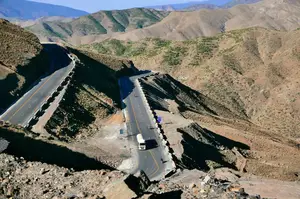
Tizi n’Tichka (2,260m / 7,415ft) is the main artery between Marrakech and Ouarzazate. This is the pass you’ll likely tackle if you’re heading to Ait Benhaddou or the Sahara. The numbers tell the real story:
- Average gradient: 4-6% on most sections
- Steepest sustained climb: 8% for about 3km on the Marrakech side
- Road width: Two full lanes throughout, with passing zones
- Hairpin turns: Approximately 30-35, all with adequate radius for any vehicle
- Surface quality: Excellent asphalt, resurfaced in 2019-2020
Those are the facts. For context, 8% is steep—but it’s not extreme. Your car isn’t climbing a wall; it’s working harder than on flat ground, yes, but well within the capability envelope of any modern vehicle in decent condition. An 80hp Dacia Sandero will slow down on the steepest sections, dropping from 80 km/h to perhaps 50-60 km/h, but it will climb without drama.
Tizi n’Test (2,100m / 6,890ft) connects Marrakech to Taroudant and is technically more demanding:
- Average gradient: 5-7% sustained
- Steepest sections: 9-10% for short bursts (1-2km)
- Road width: Narrower than Tichka—single lane in places with passing points
- Hairpin count: More frequent, approximately 40-45
- Surface quality: Good, though slightly rougher than Tichka
- Traffic volume: Significantly less than Tichka
Tizi n’Test is where gradient actually starts to matter. Those 9-10% sections will expose a weak engine or poor brakes more than Tichka will. But again—this is about stress, not impossibility. A small car climbs it. It just climbs it slower, with the engine working in lower gears. If you’re comfortable driving a manual transmission and managing your momentum, it’s completely manageable.
Where Gradient Matters vs. Where It Doesn’t
Here’s the distinction most guides miss: gradient matters for comfort and speed, not capability. A 70hp car on an 8% grade will climb at 50 km/h. An 120hp SUV will climb at 70 km/h. Both vehicles make it to the top; one just makes it faster and with less engine strain. The question becomes: do you care about those 20 minutes over a 2-hour pass?
Where gradient becomes a real technical factor:
- Sustained climbs over 10km: Small engines run hot, especially in summer. Not dangerous, but uncomfortable if your car lacks adequate cooling.
- Heavy loads: Four passengers plus full luggage changes the power-to-weight equation significantly.
- Altitude: Above 2,500m, engines lose 10-15% power due to thinner air. This affects all vehicles, but small ones feel it more.
Where gradient is largely irrelevant:
- Short climbs under 5km: Any car can push hard for 10 minutes.
- Gradual ascents: Anything under 6% is barely noticeable to a modern car.
- Well-maintained vehicles: A properly serviced 80hp car outperforms a neglected 120hp SUV every time.
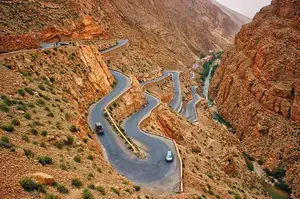
The Dades Gorges and Todra Gorges routes introduce a new variable: exposure and road width. Both gorges feature:
- Narrow passages: Single-lane sections where vehicles must negotiate passing
- Cliff edges: Unbarriered drops in some areas (more psychological than technical)
- Moderate gradients: 3-5% mostly, nothing extreme
- Excellent pavement: Smooth, well-maintained surfaces throughout
Here’s where psychology trumps engineering. The roads are objectively safe and easily drivable in any car. But the combination of narrow width and exposed edges makes some drivers uncomfortable in a small vehicle. That discomfort isn’t irrational—it’s about your confidence, not the car’s capability. An SUV’s higher seating position and wider stance provide genuine psychological comfort on these roads. Whether that’s worth 300 MAD extra per day is entirely personal.
Small Car Performance Analysis
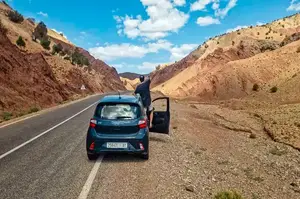
Let’s talk real numbers. When rental agents push SUVs for mountain driving, they’re rarely discussing actual engineering—they’re exploiting your uncertainty. So let’s remove that uncertainty with cold, hard performance data.
Engine Power: The 70hp vs 120hp Reality
When 4×4 Is Actually Necessary
Let’s be crystal clear: 4×4 capability is NOT needed for the standard tourist circuit. Tizi n’Tichka? Two-wheel drive. Dades Gorges? Two-wheel drive. Even the “remote” roads to Ait Benhaddou, Skoura, and Todra Gorges are all paved and perfectly manageable in a 2WD sedan.
4×4 becomes necessary in exactly three scenarios:
- Erg Chigaga desert access: This requires crossing 60km of sand tracks. Absolutely impossible without 4×4. (Note: Erg Chebbi near Merzouga is accessible via paved road—no 4×4 needed.)
- Winter Atlas crossing: Snow and ice on high passes (December-February) can make 2WD dangerous. Local authorities sometimes mandate 4×4 or snow chains during storms.
- Remote Berber villages: If you’re exploring off-the-beaten-path villages in the High Atlas with unpaved access roads, 4×4 provides crucial traction and clearance.
Even then, consider alternatives. Most travelers hire a local guide with a 4×4 for specific excursions rather than renting one for an entire trip. A day trip to Erg Chigaga with a guide costs 800-1,200 MAD. Renting a 4×4 for 7 days costs an extra 2,100-2,800 MAD. The math favors hiring for specific needs.
Cost-Benefit Ratio: The Real Numbers
Let’s run the actual financial comparison for a typical 10-day Atlas road trip covering ~1,500 km:
Dacia Sandero (Economy Car):
- Rental: 300 MAD/day x 10 days = 3,000 MAD
- Fuel: 108 liters x 12 MAD = 1,296 MAD
- Total: 4,296 MAD (~€390 / $430)
Dacia Duster (SUV):
- Rental: 600 MAD/day x 10 days = 6,000 MAD
- Fuel: 132 liters x 12 MAD = 1,584 MAD
- Total: 7,584 MAD (~€690 / $760)
Difference: 3,288 MAD (~€300 / $330)
That €300 is not nothing. In Morocco, that’s:
- 3 nights in a beautiful mid-range riad
- 10 excellent restaurant meals for two people
- A private day tour with a driver
- 150 liters of fuel (enough for an additional 2,000 km!)
The question becomes: is the comfort and psychological security of the SUV worth more than those alternatives? For some travelers, absolutely yes. For others, especially experienced drivers or those traveling light, the answer is clearly no.
The Equipment Factor
Here’s what veteran Morocco drivers know: the condition and specifications of your rental matter far more than the badge on the hood. A well-maintained economy car with good tires will outperform a neglected SUV every single time in the Atlas. Let’s talk about the equipment factors that actually affect mountain safety and performance.
Tire Quality Trumps Car Size
I’ll say it bluntly: tire quality is the single most important factor in mountain driving safety, and it’s the factor most travelers completely ignore.
When you pick up your rental in Marrakech or Casablanca, check the tires. Squat down, look at the tread depth, look for cracks or bulges in the sidewalls. This two-minute inspection tells you more about your vehicle’s mountain capability than any brochure.
What to look for:
- Tread depth: Stick a coin into the tread. If you can see the entire edge of a 1 MAD coin, the tires are legally worn out. Demand a different vehicle.
- Even wear: Tread should wear evenly across the tire. Excessive wear on edges or center indicates alignment problems or incorrect tire pressure—both safety issues.
- Age: Check the DOT date code on the sidewall. Tires older than 5 years start to degrade even with good tread. Avoid vehicles with ancient rubber.
- Tire pressure: Ask the rental agent to verify tire pressure before you leave. Under-inflated tires are common in rental fleets and drastically reduce grip and fuel economy.
Why this matters in mountains: On a steep descent with multiple hairpins, you’re asking your tires to provide maximum grip while your brakes generate heat and transfer weight to the front wheels. Worn tires double your stopping distance and triple your risk of losing traction on a tight turn. This is physics, not paranoia.
The reality? An 80hp Sandero with excellent tires is safer on Tizi n’Test than a 120hp Duster with worn-out rubber. Rental companies know most customers never check tire condition. Be the exception.
Brake Condition: Overheating Risk on Descents
Brakes are harder to inspect than tires, but you can gather clues. During your test drive around the rental lot:
- Apply firm pressure: The pedal should feel solid, not spongy. Spongy pedal = air in brake lines or worn pads.
- Listen for noise: Grinding or squealing under braking indicates worn brake pads. This is a red flag for mountain driving.
- Feel for vibration: Pulsing or vibration through the pedal means warped rotors. Reject the vehicle.
- Check for pull: The car should brake straight. Pulling to one side indicates uneven brake wear or alignment issues.
If you notice any of these issues, refuse the vehicle immediately. This isn’t being picky—this is basic safety. A rental agent might try to dismiss your concerns. Hold firm. You’re about to descend roads with cliff edges. You need working brakes.
Practical Decision Matrix
Enough theory. Let’s make this practical. Here’s the decision framework that actually works, based on your specific situation. No vague advice, no rental agent upselling—just the real factors that determine whether you need an SUV or can save money with an economy car.
Small Car Works If:
✅ You’re driving paved routes only
If your itinerary consists of Marrakech → Ait Benhaddou → Dades Gorges → Merzouga → Fes via paved roads, an economy car handles it perfectly. These routes are 100% paved with good surface quality. No exceptions needed.
✅ You’re an experienced driver
Comfortable with manual transmission? Confident on mountain roads? Used to driving in unfamiliar environments? Then vehicle choice matters far less than your skill level. An experienced driver in a Sandero is safer than a nervous driver in a Land Cruiser.
✅ You’re traveling light (1-2 people + minimal luggage)
Power-to-weight ratio matters. A small car with two passengers and soft bags performs vastly better than the same car with four adults and hard suitcases. If you’re a couple traveling light, economy cars are perfectly adequate.
✅ You have flexible timing
Not rushing to catch sunsets or maintain a rigid schedule? Then the 10-15 minute time difference on long climbs is irrelevant. Take the scenic route, stop for photos, and pocket the rental savings for better meals and accommodation.
✅ You’re comfortable with basic vehicle checks
Willing to verify tire condition, brake feel, and fluid levels before accepting a rental? Then you can confidently choose an economy car, knowing you’ve validated its condition for mountain use.
SUV Needed If:
🚙 Winter travel (December-February)
Snow and ice are real possibilities on high passes during winter months. Even on paved roads, winter conditions demand either 4×4 capability or at minimum an SUV with winter tires. Small cars become genuinely risky. Don’t gamble.
🚙 Off-road excursions planned
Erg Chigaga? Remote Anti-Atlas villages? Unpaved mountain tracks? Then 4×4 becomes mandatory, not optional. These routes will destroy a 2WD car and leave you stranded. For off-piste Morocco, get a proper 4×4 SUV or hire a local guide with one.
🚙 4+ passengers + full luggage
Four adults with standard luggage will max out most economy cars. The combination of passenger weight, luggage weight, and reduced power-to-weight ratio makes an SUV significantly more comfortable. Not impossible in a small car—but unpleasant.
🚙 You’re an inexperienced mountain driver
Never driven mountain passes? Not comfortable with steep descents and exposed curves? Then the SUV’s psychological comfort and stability are worth every dirham. Safety and confidence trump budget savings. Your stress level matters.
🚙 Rental car condition is questionable
If the economy cars in the rental fleet look beaten up—worn tires, shabby interiors, high mileage—but the SUVs are newer and better maintained, pay the premium. A well-maintained SUV beats a sketchy economy car every time.
The Money-Saving Truth Most Tourists Miss
Here’s the harsh reality that rental agents exploit: most tourists dramatically overestimate their vehicle needs. They rent a 4×4 Land Cruiser for a circuit that’s 95% paved autoroute and smooth mountain passes, then drive it like a sedan the entire trip. It’s the automotive equivalent of buying hiking boots for a beach vacation.
Why does this happen? Three reasons:
- Forum paranoia: Travel forums amplify worst-case scenarios. Someone posts “I BARELY made it up Tizi n’Tichka in my tiny rental!” and ignores the 10,000 other travelers who did it without drama.
- Rental agent upselling: Agents work on commission. They’re incentivized to push expensive vehicles. “For safety” is their favorite phrase.
- Mental image mismatch: “Mountain pass” conjures images of rutted dirt tracks and perilous cliff edges. The reality—smooth paved highway with guardrails—doesn’t match the expectation.
The most common mistake? Renting based on the 5% of your route that’s challenging, rather than the 95% that isn’t. If you’re driving Marrakech to Fes via Merzouga, you spend maybe 3-4 hours total on genuine mountain passes. The other 12+ hours of driving are flat autoroutes and gentle valleys. Why pay SUV prices for the entire trip?
Smarter strategy: Rent an economy car for most of your trip. For the one day you’re tackling Erg Chigaga or some gnarly off-road section, hire a local guide with a 4×4 for that specific excursion. Total cost? Still less than renting an SUV for the full trip.
Route-Specific Recommendations
Theory is useful. Specific route advice is better. Let’s break down the most popular Morocco road trip routes and give you the honest vehicle verdict for each. These recommendations assume typical tourist season (spring/fall), dry weather, and standard rental fleet vehicles.
Marrakech → Ouarzazate via Tizi n’Tichka
The central truth about small car vs SUV Atlas Mountains Morocco is simple: most travelers don’t need what they rent. The combination of smooth paved roads, moderate technical demands, and rental agent upselling creates a massive gap between perception and reality.
An economy car with good tires, working brakes, and a competent driver behind the wheel will complete every major tourist route in Morocco without drama. The SUV provides comfort, psychological security, and genuine advantages in specific scenarios (winter, off-road, heavy loads)—but for the standard spring or fall road trip covering paved routes, it’s an expensive luxury, not a necessity.
The decision framework is straightforward: if you’re experienced, traveling light, sticking to paved routes, and visiting in decent weather, save your money and rent the small car. If you’re uncomfortable, planning off-road excursions, traveling in winter, or carrying four passengers with luggage, the SUV is a worthy investment.
Either way, inspect your vehicle before leaving the rental lot. Check tire tread, test the brakes, verify fluid levels. The vehicle’s condition matters far more than its size. And remember: Morocco’s mountain roads have been crossed by donkey carts, overloaded Mercedes taxis, and ancient Peugeots held together with wire and prayers. Your rental car—whatever you choose—is dramatically overqualified for the task.
Now stop overthinking it, choose your vehicle, and go experience one of the world’s most spectacular road trip destinations. The Atlas Mountains are waiting, and they really don’t care what you’re driving.
Ready to plan your complete Morocco road trip? Check out our comprehensive logistics guide for route planning, accommodation booking, and everything else you need for an epic Atlas adventure. And if you want detailed insights into driving conditions, road rules, and safety tips, we’ve got you covered there too.